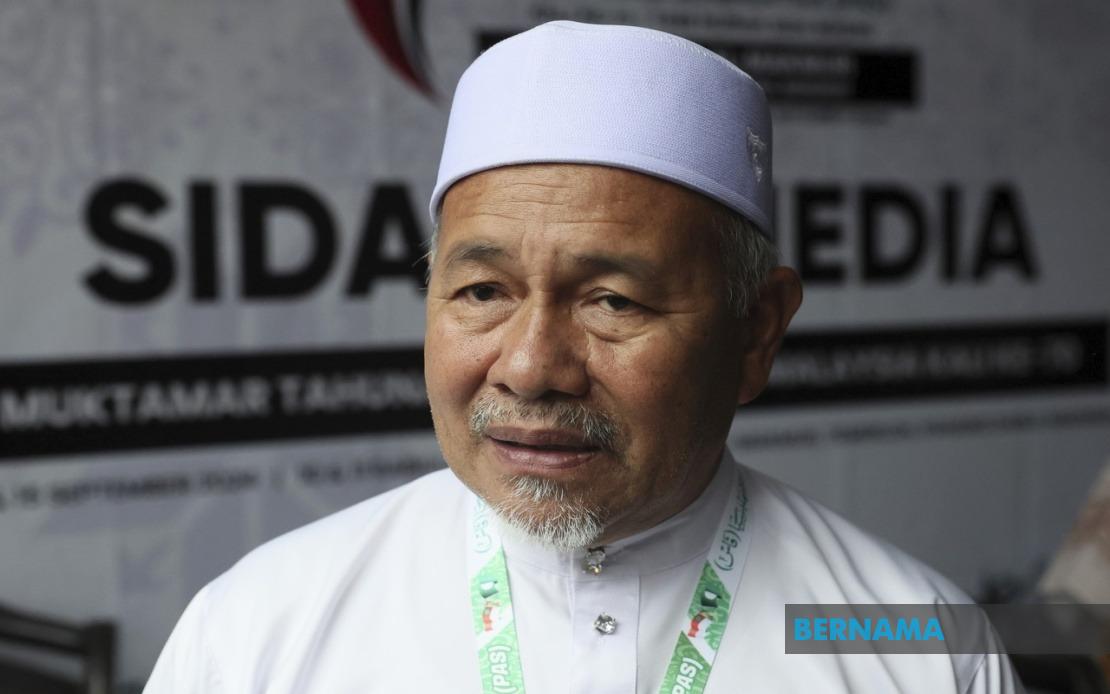
The Islamic party PAS has intensified calls for fugitive businessman Low Taek Jho—commonly known as Jho Low—to face trial in Malaysian courts over his involvement in the sprawling 1Malaysia Development Berhad (1MDB) financial scandal, dismissing suggestions that Malaysia should await or defer to decisions made by the United States regarding his prosecution. Speaking at the Pasir Mas PAS division annual general meeting in Kota Bharu on July 4, party deputy president Datuk Seri Tuan Ibrahim Tuan Man emphasised that Malaysia possesses a fully functional and independent legal system capable of adjudicating the case without requiring alignment with American judicial outcomes or policy positions.
Tuan Ibrahim's intervention arrives at a sensitive moment for the country's pursuit of accountability. Reports circulating in international media had suggested that Jho Low featured among roughly 250 individuals potentially being considered for pardons by United States President Donald Trump as part of commemorations surrounding the 250th anniversary of American independence. The timing and scope of such potential clemency have raised anxieties among Malaysian policymakers and civil society advocates who view the case as emblematic of the nation's determination to reclaim billions lost through the 1MDB debacle.
The PAS leader articulated a principled stance rooted in Malaysia's sovereignty and legal autonomy. According to Tuan Ibrahim, Malaysia should not feel constrained by whatever position Washington adopts toward Jho Low, arguing instead that the country bears the most significant burden from the fugitive's alleged malfeasance. The economic damage inflicted through the 1MDB scheme—which saw tens of billions of ringgit diverted through fraudulent transactions—justifies Malaysia's assertion of primary jurisdiction and its moral imperative to prosecute the case domestically.
Tuan Ibrahim further appealed to government authorities to accelerate the wheels of justice, particularly regarding efforts to secure Jho Low's extradition and facilitate his appearance before Malaysian courts. This call for expedited action reflects frustration among political circles that the extradition process has stretched across years without resolution, allowing the fugitive to remain beyond Malaysia's judicial reach while maintaining a lifestyle funded through allegedly stolen assets.
The PAS position finds alignment with statements recently issued by Prime Minister Datuk Seri Anwar Ibrahim, who reiterated Malaysia's commitment to pursuing legal action against Jho Low notwithstanding speculation about potential American clemency. The Prime Minister's reaffirmation of Malaysia's prosecutorial intent signals broad political consensus that the matter cannot be treated as merely an American concern requiring deference to Trump administration decisions.
The 1MDB scandal remains one of the most consequential financial crimes in Southeast Asian history, with investigations revealing an elaborate scheme involving high-level government figures, international money laundering networks, and complicit financial institutions across multiple jurisdictions. Jho Low's alleged orchestration of this fraud—enabling the diversion of funds destined for national development into personal enrichment and real estate acquisitions spanning the globe—underscores why Malaysian officials view his prosecution as non-negotiable.
From a geopolitical perspective, Tuan Ibrahim's emphasis on Malaysia's legal independence carries broader significance for a nation acutely conscious of managing its relationship with the United States while preserving domestic sovereignty. The statement implicitly rejects any framework wherein Malaysian justice appears subordinated to American discretion, a sensitivity heightened in the context of recent shifts in US foreign policy under Trump's return to office. Malaysia's insistence on proceeding with its own judicial mechanisms demonstrates resolve against external pressure or indifference.
The extradition challenge remains formidable, however. Jho Low's whereabouts have been the subject of persistent speculation, with reports variously placing him in countries lacking formal extradition treaties with Malaysia or in jurisdictions where diplomatic leverage proves limited. His ability to evade capture for years has raised questions about the adequacy of international cooperation mechanisms and whether financial incentives to harboring nations might inadvertently shield him from accountability.
PAS's intervention also reflects the party's political positioning ahead of ongoing scrutiny of governance under both the Perikatan Nasional and current Pakatan Harapan administrations. By calling for robust prosecution of a case symbolising systemic corruption, the party signals commitment to accountability principles and appeals to voters fatigued by tales of grand larceny at national expense. For Malaysian citizens, particularly those who witnessed economic consequences of the 1MDB fraud, political parties' continued emphasis on justice serves as reassurance that the matter remains a priority.
The convergence of statements from PAS and the Prime Minister's office suggests that regardless of which political coalition holds power, Malaysian leadership remains united in principle regarding Jho Low's prosecution. Yet the practical challenge of converting rhetorical commitment into actual detention and trial persists, requiring sustained diplomatic engagement with countries where Jho Low might be sheltering, enhanced intelligence gathering, and potentially revised legal strategies if initial extradition routes prove ineffective.
As Malaysia navigates its approach, the stakes extend beyond individual accountability to encompass the nation's credibility in combating transnational financial crime. International observers scrutinise whether Malaysian courts can conclusively prosecute a case of such magnitude and complexity, drawing lessons applicable to other developing economies vulnerable to sophisticated fraud schemes. Successfully bringing Jho Low before Malaysian justice would vindicate the institutional capacity of the country's legal system and affirm that no fugitive, however resourced or internationally mobile, escapes accountability indefinitely.

