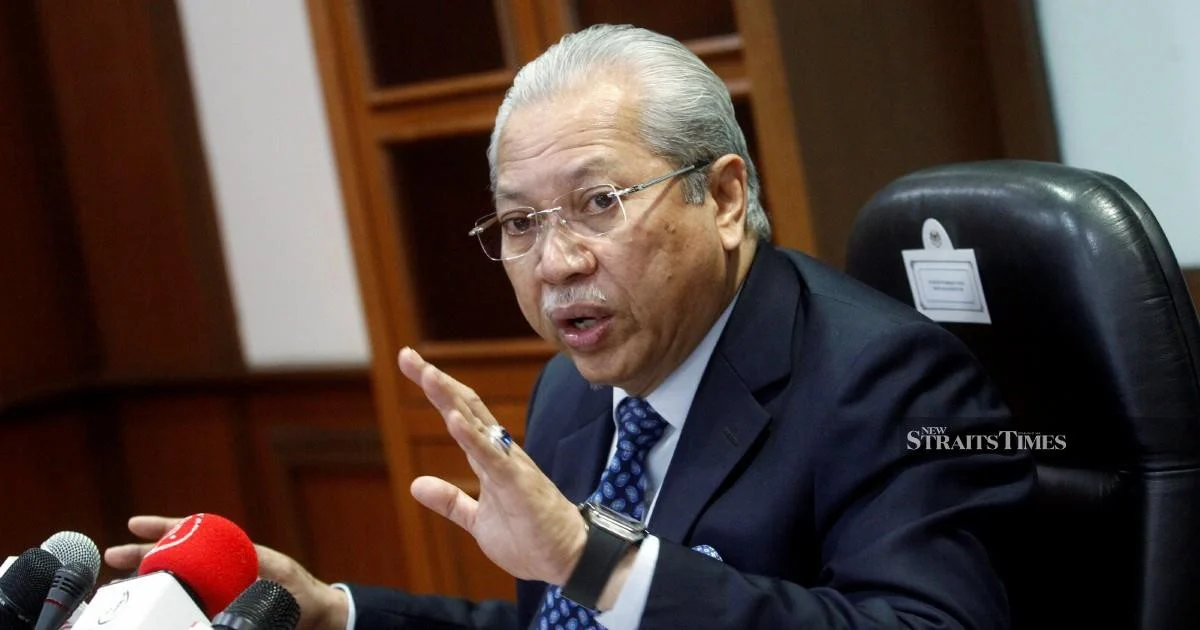
PAS leadership has moved to quell suggestions that the party orchestrated Bersatu's exit from Perikatan Nasional, a key political coalition in Malaysia's fractious parliamentary landscape. The clarification comes amid visible discord between the two component parties, yet the Islamist group insists it has neither sought nor engineered such an outcome, signalling a desire to maintain the PN framework despite the evident cracks in the alliance.
The statement addresses speculation that has swirled around the stability of Perikatan Nasional, the coalition formed following the 2022 general election that brought substantial representation to both PAS and Bersatu. The partnership has been a defining feature of Malaysian politics since the collapse of the previous governing arrangement, yet questions about its durability have persisted as the parties navigate divergent interests and policy positions. PAS's public denial reflects sensitivity to perceptions of internal management and the delicate balance required to maintain multi-party coalitions in Malaysia's polarised political environment.
The relationship between PAS and Bersatu has been tested by numerous policy disagreements and organisational tensions. Bersatu, led by former Prime Minister Muhyiddin Yassin, entered PN as a smaller partner but with considerable accumulated political capital and the backing of former top office holders. PAS, meanwhile, emerged from the 2022 election as the dominant coalition component, significantly expanding its parliamentary representation and extending its administrative reach across several states. This shift in relative bargaining power has inevitably created friction between parties accustomed to different hierarchical arrangements.
The question of who controls PN's direction has become increasingly fraught. PAS's electoral gains have translated into heightened influence within the coalition's decision-making processes, a development that has not passed unnoticed within Bersatu circles. Meanwhile, Bersatu has grappled with internal consolidation challenges and questions about its electoral viability, prompting party leadership to recalibrate its strategic positioning. The friction between these trajectories has spawned persistent rumours about the coalition's structural integrity and the possibility of Bersatu seeking alternative political arrangements.
Such speculation is not without precedent in Malaysian politics, where coalition realignments have repeatedly reshaped the parliamentary landscape. The country has witnessed numerous instances of parties switching alliances, merging with competitors, or establishing entirely new political blocs in response to shifting circumstances and perceived opportunities. These dynamics reflect both the genuine ideological and programmatic differences between parties and the pragmatic calculus that governs Malaysian political decision-making. Against this backdrop, questions about PN's longevity represent more than idle speculation—they reflect real anxieties about stability and governance.
PAS's categorical denial that it has pushed Bersatu toward the coalition's exit appears designed to prevent precisely such realignment. Maintaining PN's cohesion serves multiple purposes for the Islamist party. First, a functioning coalition demonstrates the viability of PAS-led governance to a sceptical public and international observers, buttressing the party's claims to administrative competence. Second, the continued presence of Bersatu and other coalition members provides PAS with a wider political base and parliamentary numbers that amplify its legislative influence. Third, the coalition framework allows PAS to pursue its agenda without the complications of outright numerical dominance that might provoke backlash from non-PAS constituencies.
The visible strain in PAS-Bersatu relations reflects broader challenges facing all Malaysian political coalitions. Managing multiple parties with distinct ideological commitments, organisational cultures, and leadership personalities requires constant negotiation and compromise. When electoral outcomes shift the internal balance of power dramatically, as occurred in 2022, previously accepted arrangements become contested. PAS did not engineer Bersatu's electoral decline, yet the party has clearly benefited from it—a dynamic that inevitably generates resentment and defensiveness.
Bersatu's position within PN has become increasingly precarious precisely because the party lacks the alternative political homes available to other coalition components. Merger with other Bumiputera-focused or Malay-Muslim parties might dilute Bersatu's distinct identity and reduce its leadership's autonomous decision-making authority. Joining opposition coalitions would require abandoning recent decisions that brought the party into government. Remaining in PN, despite evident marginalisation, at least preserves hope that electoral fortunes might shift or that the coalition's internal dynamics could be renegotiated in Bersatu's favour.
For regional observers tracking Malaysian political developments, the PN coalition's stability carries significance beyond domestic Malaysian concerns. The coalition's durability affects Malaysia's international positioning, the predictability of government policy, and the broader stability of Southeast Asian politics. A coalition collapse followed by rapid realignment could trigger policy reversals on everything from trade agreements to regional security commitments, complications that neighbouring governments monitor closely.
PAS's emphatic denial also reflects awareness that accusations of orchestrating a partner's removal would damage the party's political credibility. Such tactics, if publicly documented, would vindicate critics who contend that PN functions as a vehicle for power aggrandisement rather than a genuine partnership between equals. The Islamist party has invested considerable political capital in presenting itself as a responsible, consensus-building coalition partner—an image that would suffer substantially if it were perceived as engineering Bersatu's marginalisation through deliberate political manoeuvre.
Moving forward, the apparent strain in PAS-Bersatu relations will likely remain a defining feature of Malaysian politics, with regular speculation about the coalition's future persisting until circumstances force definitive action. PAS's current denials may buy time for both parties to manage the relationship's complications, though the underlying structural pressures that have created friction show no signs of abating. Whether PN can accommodate both parties' interests while functioning effectively as a governing coalition will significantly influence Malaysian political trajectories in coming years.

