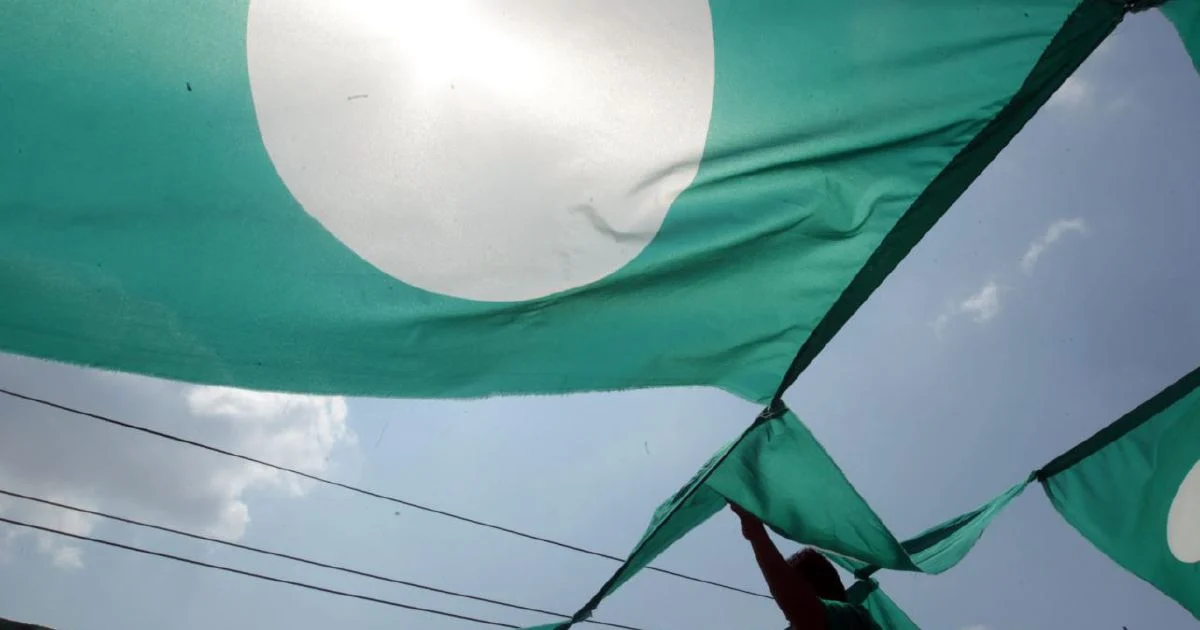
Multiple senior figures from the Pan-Malaysian Islamic Party gathered at its headquarters on Jalan Raja Laut in Kuala Lumpur today for a pre-council gathering of opposition parliamentarians, underscoring the party's continued engagement with coordinating positions across the larger opposition coalition. The assembly comes at a moment of considerable strain within Malaysia's political landscape, particularly as the Islamist party navigates a widening chasm with Bersatu, a rival faction that has itself experienced multiple upheavals in recent years.
The convergence of PAS leadership at the party base suggests efforts to solidify internal messaging and coordinate responses to developments affecting the opposition bloc. Such preparatory sessions typically precede formal parliamentary sessions or significant political announcements, allowing party machinery to align on tactical positions and strategic priorities before engaging with parliament or the broader public. For opposition parties like PAS, these coordination exercises serve as crucial mechanisms to present unified stands amid Malaysia's fractious political environment.
The fractionalisation between PAS and Bersatu reflects deeper rifts within Malaysia's political opposition. Both parties have experienced their own internal convulsions over recent years, yet each has carved distinct constituencies and support bases. PAS maintains particularly strong influence in East Coast states and among certain segments of the Islamic-conscious electorate, while Bersatu, despite its more recent formation, has attempted to position itself as a multiracial alternative within broader opposition frameworks. The deterioration in their working relationship complicates efforts to present a coherent counter-narrative to the government.
The timing of this gathering carries significance within the broader parliamentary calendar. Opposition coordination becomes especially critical during legislative sessions when voting discipline and unified positioning can amplify opposition impact on government policy or highlight governance shortcomings. By convening opposition parliamentarians through their respective party structures, PAS signals it remains an active force shaping parliamentary dynamics rather than a passive participant in the chamber.
For Malaysian observers tracking opposition politics, the deepening tension between PAS and Bersatu reflects a fundamental challenge facing Malaysia's multi-party system: the difficulty of maintaining coalition cohesion across ideologically distinct entities. PAS's Islamic orientation and Bersatu's broader appeal create natural tension points, particularly on issues touching religious policy, constitutional amendments, or state governance frameworks. These philosophical differences inevitably surface in parliamentary contexts where voting patterns become visible and accountability sharpens.
The Jalan Raja Laut headquarters gathering also underscores PAS's determination to maintain institutional presence and operational capacity despite broader political uncertainties. Maintaining party discipline, ensuring parliamentary attendance, and coordinating positions across a dispersed membership requires sustained organisational effort. Such regular convocations serve both symbolic and practical purposes, reminding party members of institutional commitment whilst ensuring elected representatives remain aligned with party positions.
Regionally, the opposition coordination dynamics within Malaysia attract attention from Southeast Asian observers monitoring democratic health and political stability. Malaysia's ability to sustain meaningful opposition engagement, even amid disagreements, demonstrates institutional resilience. When opposition parties successfully maintain their own institutional structures and coordinate their parliamentary activities, they contribute to checks on executive power—a mechanism vital for democratic functioning in the region.
The specific focus on opposition parliamentarians suggests PAS is particularly concerned with ensuring its elected representatives maintain disciplined positions on legislative matters. In parliamentary systems, opposition effectiveness often hinges on voting cohesion and organised messaging. By gathering opposition MPs in advance of formal proceedings, PAS can clarify positions on pending legislation or highlight government shortcomings before voting takes place.
The emergence of tensions with Bersatu likely stems from multiple sources: strategic competition for voter overlap, disagreements on specific policy priorities, and perhaps fundamental questions about opposition direction and coalition formation strategy. Whether these tensions prove temporary or signal longer-term realignment of Malaysia's political fault lines remains uncertain. Nonetheless, PAS's willingness to continue hosting opposition coordination meetings suggests the party remains committed to opposition roles within the parliamentary framework.
For Malaysia's political trajectory, such party gatherings and opposition coordination efforts remain essential components of the democratic infrastructure. Even as relationships between opposition entities strain and fracture, the continued existence of institutional forums for coordination maintains channels for policy alternatives and electoral competition. These gatherings, though often overlooked in daily political commentary, represent the unglamorous work through which parliamentary opposition functions.