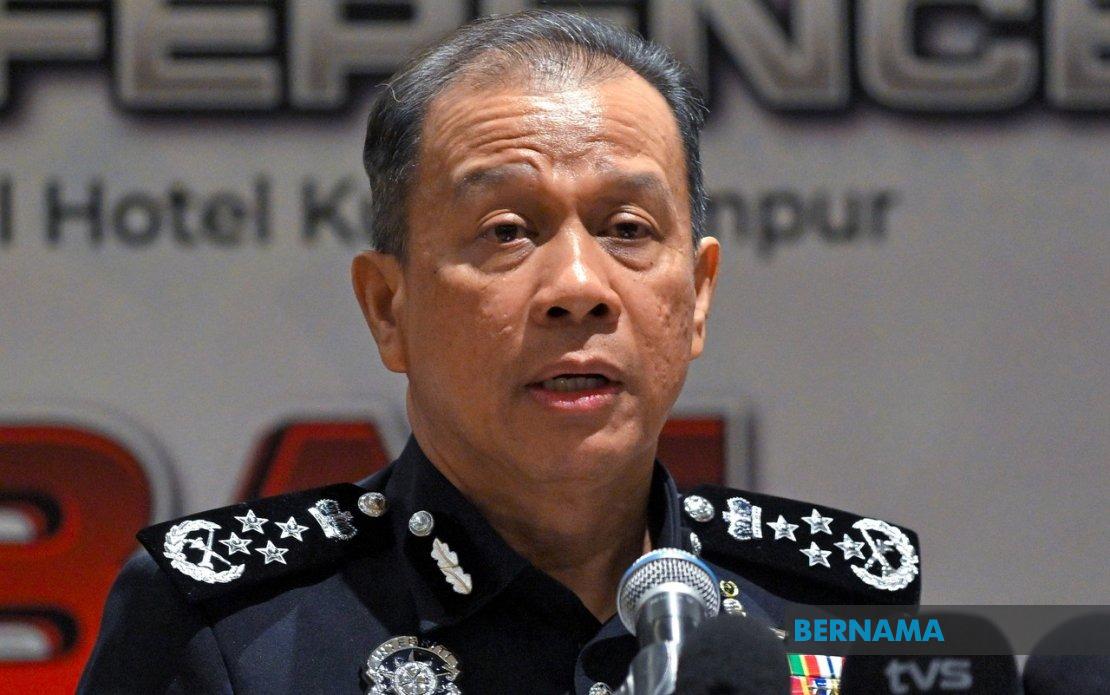
Malaysia's aviation security framework is set for a significant overhaul with the deployment of Royal Malaysia Police (PDRM) officers to strengthen airport security operations. The Cabinet decision, announced by MADANI Government spokesman Datuk Seri Fahmi Fadzil, represents a direct response to recent security concerns highlighted by the detention of a Malaysian pilot in Indonesia on suspicion of drug smuggling. Inspector-General of Police Tan Sri Mohd Khalid Ismail confirmed that the PDRM stands ready to implement this multi-agency security enhancement, signalling a coordinated effort to close vulnerabilities in the nation's aviation sector.
The deployment of police officers into the Aviation Security (AVSEC) framework marks a substantial shift in how Malaysia approaches airport safety protocols. Rather than maintaining entirely separate security functions, the government is moving toward an integrated model where law enforcement personnel operate directly within aviation security teams. This approach recognises that modern aviation threats extend beyond conventional security screening—criminal networks now actively exploit airport infrastructure and procedural gaps. By embedding PDRM officers into AVSEC operations, authorities aim to create a seamless intelligence and enforcement network capable of detecting suspicious patterns before incidents occur.
The mechanics of implementation remain under active development by the PDRM, the Home Ministry (KDN), the Ministry of Transport (MOT), and related agencies. These discussions focus on critical operational details: the precise scope of police responsibilities, strategic placement at major airports and regional hubs, staffing levels required to maintain effective coverage, delineation of authority and responsibility between security and police personnel, and the coordination protocols that will govern real-time response to emerging threats. The complexity of these arrangements underscores that this is not a simple administrative decision but rather a fundamental restructuring of how Malaysia's airports function as security environments.
According to Tan Sri Mohd Khalid Ismail, the integration of police capabilities into aviation security will substantially enhance the system's ability to detect threats early and respond decisively. The PDRM's involvement enables superior intelligence sharing between airport operators, customs authorities, immigration officials, and law enforcement—a critical gap in many previous frameworks. The police bring enforcement authority and investigative resources that purely civilian security personnel cannot match, allowing authorities to transition rapidly from detection to intervention when criminal activity is suspected. This capability proves particularly valuable in combating drug smuggling operations, human trafficking networks, and other organised crime utilising air transport.
The move also reflects growing recognition that aviation facilities represent attractive targets for criminal enterprises. The case of the detained Malaysian pilot illustrates how individual opportunists operating within the aviation sector can expose the country to serious reputational and security consequences. When a Malaysian national is arrested abroad on charges linked to aviation security breaches, it damages Malaysia's standing as a secure travel jurisdiction and raises questions about whether domestic screening and monitoring systems function effectively. By deploying police officers directly into airport operations, Malaysia signals to international partners that it takes such incidents seriously and has implemented concrete measures to prevent recurrence.
The comprehensive security framework that will emerge encompasses multiple layers of protection operating in tandem. Access control measures will restrict unauthorised personnel movement through sensitive airport zones. Enhanced screening procedures at passenger and baggage checkpoints will employ updated technology and intelligence-informed protocols. Security checks will intensify for high-risk individuals and commodities. Risk assessments will continuously evaluate emerging threats based on intelligence from police, customs, and international aviation security networks. Strategic cooperation among government agencies and private sector stakeholders—including airport operators and airlines—will ensure that no gaps exist between different security functions.
Tan Sri Mohd Khalid Ismail emphasised that this intelligence-based, integrated approach to security strengthens the PDRM's preventive capacity while reducing the operational risks that criminals seek to exploit. Tighter controls deny potential smugglers the window of opportunity they require to move contraband through airports. Intelligence sharing enables authorities to identify suspicious patterns—individuals repeatedly travelling through specific routes, unusual baggage declarations, anomalous financial transactions—before those patterns crystallise into actual crimes. When prevention fails, the police presence ensures that enforcement action occurs swiftly and professionally.
For Malaysian travellers and the broader aviation industry, these measures carry both immediate and longer-term implications. In the short term, airport security procedures may experience modest increases in processing time as new police protocols become integrated into existing workflows. However, passengers should expect improved detection of genuine security threats and reduced risk of the kind of aviation-related criminal incidents that damage public confidence in air travel. Airlines operating from Malaysian airports will benefit from enhanced security assurance when marketing flights internationally, knowing that their aircraft and passengers receive protection from comprehensive, police-integrated security systems.
Regionally, Malaysia's decision to deploy police into AVSEC operations places it among the more security-conscious Southeast Asian nations, comparable to approaches adopted by Singapore and Thailand. As international aviation continues to face evolving threats—from traditional smuggling to cyber attacks on airport systems—Malaysia's willingness to invest in police-security integration demonstrates commitment to maintaining standards expected by major international carriers and aviation authorities. This positioning strengthens Malaysia's competitive advantage as a major regional aviation hub, reassuring international partners that connecting flights through Malaysian airports carry acceptable security levels.
The PDRM's assurance that flight safety and security at national entry and exit points will be prioritised, with zero tolerance for aviation-facilitated criminal activity, represents an unambiguous commitment from law enforcement leadership. This statement carries weight because it comes from the highest levels of the police force, backed by Cabinet-level support and inter-ministerial coordination. Unlike aspirational security pledges, this deployment involves actual allocation of trained personnel, operational resources, and institutional authority. The police force is publicly staking its professional reputation on the success of this initiative.
Looking forward, the success of this aviation security enhancement will depend on effective implementation of the operational details currently being finalised. Proper training for PDRM officers deploying to AVSEC roles, clear communication with airport staff about new procedures, and robust systems for sharing intelligence between police and civil aviation authorities will all prove essential. International cooperation through INTERPOL and bilateral agreements with other countries' aviation security agencies will amplify Malaysia's capacity to identify and prevent threats. As implementation proceeds, regular review and adjustment of protocols will ensure that the system remains responsive to emerging criminal tactics and evolving security intelligence.

