Penang has taken centre stage as the host of this year's National Journalists' Day celebrations, known as HAWANA 2026, drawing praise from state leadership for the Communications Ministry's decision to decentralise the event across Malaysia. Penang Governor Tun Ramli Ngah Talib has commended the ministry's forward-thinking approach in rotating the hosting responsibilities, arguing that such distribution gives local communities greater opportunity to understand and appreciate the critical work performed by journalists and media organisations in driving national progress.
The choice of Penang to host the 2026 edition carries particular significance for a state that has positioned itself as a developed, dynamic and competitive jurisdiction. Tun Ramli emphasised that receiving this responsibility represents a considerable honour for Penang, reflecting recognition of the state's standing and capacity to organise a regional-scale event. The gathering brings together not merely domestic participants but also delegates and media professionals from across the ASEAN region, elevating the occasion beyond a purely national affair into a forum for regional dialogue and cooperation among communications practitioners.
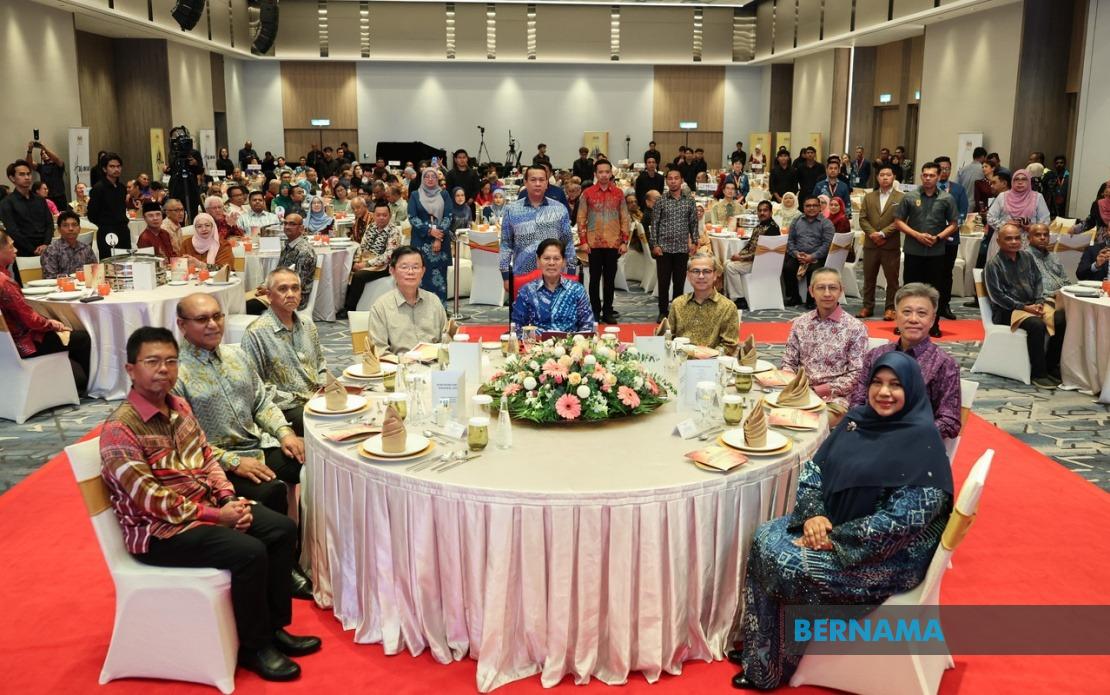
The inaugural HAWANA 2026 dinner, organised jointly by the Penang state government and held at the PICCA Convention Centre @ Butterworth Arena, attracted approximately 350 guests representing the breadth of Malaysia's media landscape. Attendees included newspaper editors-in-chief, senior executives from both Malaysian and international news organisations, experienced journalists whose careers span decades, and high-ranking state officials. The guest list underscores the comprehensive nature of the celebration, encompassing not only print and broadcast media but also representatives from international news agencies and communications professionals.
Among the distinguished figures present were Penang Chief Minister Chow Kon Yeow, Communications Minister Datuk Fahmi Fadzil, and Malaysian National News Agency (Bernama) chairman Datuk Seri Wong Chun Wai. The attendance of such senior government figures alongside media leadership demonstrates the esteem in which the journalism profession is held and signals official commitment to supporting media independence and professionalism. International representation at the event included Timor-Leste Secretary of State for Social Communication Expedito Loro Dias Ximenes, reflecting the cross-border relevance of discussions surrounding journalistic standards and media integrity.
Tun Ramli articulated a broader vision for HAWANA's significance, characterising the event as more than a celebratory occasion. Rather, he framed it as a platform that serves multiple strategic functions: recognising the contributions of veteran journalists who have shaped Malaysia's information landscape; strengthening operational cooperation and friendship among regional media organisations; and reinforcing professional standards within the journalism fraternity. This multifaceted purpose reflects understanding that media institutions require both celebratory recognition and collaborative networks to function effectively.
The overarching theme of HAWANA 2026, "Media Integrity Strengthens Credibility," encapsulates core challenges facing contemporary journalism across Southeast Asia. As digital platforms proliferate and information environments become increasingly complex, maintaining journalistic integrity has become paramount. The choice of this particular theme for 2026 suggests that both government and media organisations recognise a need to reinforce and publicly commit to professional standards. For Malaysian readers, this emphasis carries particular relevance given ongoing debates about press freedom, fact-checking, and the role of journalism in combating misinformation.
The main event, scheduled to be officialised by Prime Minister Datuk Seri Anwar Ibrahim at the Butterworth Arena, will draw over 1,000 media practitioners, substantially exceeding the dinner attendance. This larger gathering indicates a substantial commitment from journalists across the country, with participants also including media professionals from several ASEAN nations. The convergence of such numbers suggests that HAWANA 2026 has attained significant status within regional media circles and represents more than a routine domestic industry event.
The decision to rotate HAWANA celebrations among different states carries administrative and symbolic implications. Administratively, such rotation distributes organisational responsibility and expense across state governments, preventing concentration of event management in a single jurisdiction. Symbolically, it demonstrates commitment to recognising journalism's importance across all states, not merely at the federal level or in the capital. For Penang specifically, hosting the event provides opportunity to showcase the state's infrastructure, its own media ecosystem, and its role as a progressive jurisdiction invested in supporting professional communications standards.
Bernama's role as the implementing agency positions Malaysia's national news agency as custodian of professional standards and guardian of the event's integrity. As the state-owned news organisation with longest institutional memory and broadest reach, Bernama's involvement lends credibility to the proceedings and ensures alignment with established journalistic principles. The agency's leadership, including chief executive officer Datin Paduka Nur-ul Afida Kamaludin and editor-in-chief Arul Rajoo Durar Raj, occupy central positions in the HAWANA 2026 working committee, reflecting the significance of the event within Malaysia's institutional media framework.
For the broader Southeast Asian context, HAWANA 2026's emphasis on regional participation suggests growing recognition of media challenges that transcend national borders. Misinformation, platform regulation, and questions of journalistic independence affect all ASEAN nations similarly. By convening journalists, editors, and communications professionals from across the region, the event creates space for practitioners to exchange experiences, discuss common challenges, and potentially coordinate responses to threats to press freedom and professional integrity.
Tun Ramli's public endorsement reflects broader official recognition that media institutions require both support and respectful acknowledgment of their societal role. Characterising journalism as a "bridge for disseminating information, a catalyst for ideas and a driver in shaping an informed and knowledgeable society" articulates an understanding of media function that transcends mere news reporting. This framing suggests that government institutions recognise journalism's foundational importance to democratic governance, public discourse, and informed citizenship.
The gathering represents a significant moment for Malaysia's journalism profession to collectively reflect on professional standards, share experiences, and recommit to principles of accuracy, fairness, and public service. As HAWANA 2026 progresses beyond the initial dinner to its main event, participants will have opportunity to engage substantively with themes of media integrity, credibility, and the evolving role of journalism in societies increasingly shaped by digital information flows and competing narratives.

