The Penang police have rolled out an extensive security and traffic management operation for the HAWANA 2026 National Journalists' Day celebration scheduled at PICCA Convention Centre @ Butterworth Arena, with senior police leadership assuring residents and visitors that safety measures will not compromise daily community movement. Penang police chief Datuk Azizee Ismail outlined a strategy that builds upon proven protocols from the Malaysia Day 2025 event held at the same venue, indicating that authorities have refined their approach through prior experience managing large-scale gatherings in the area.
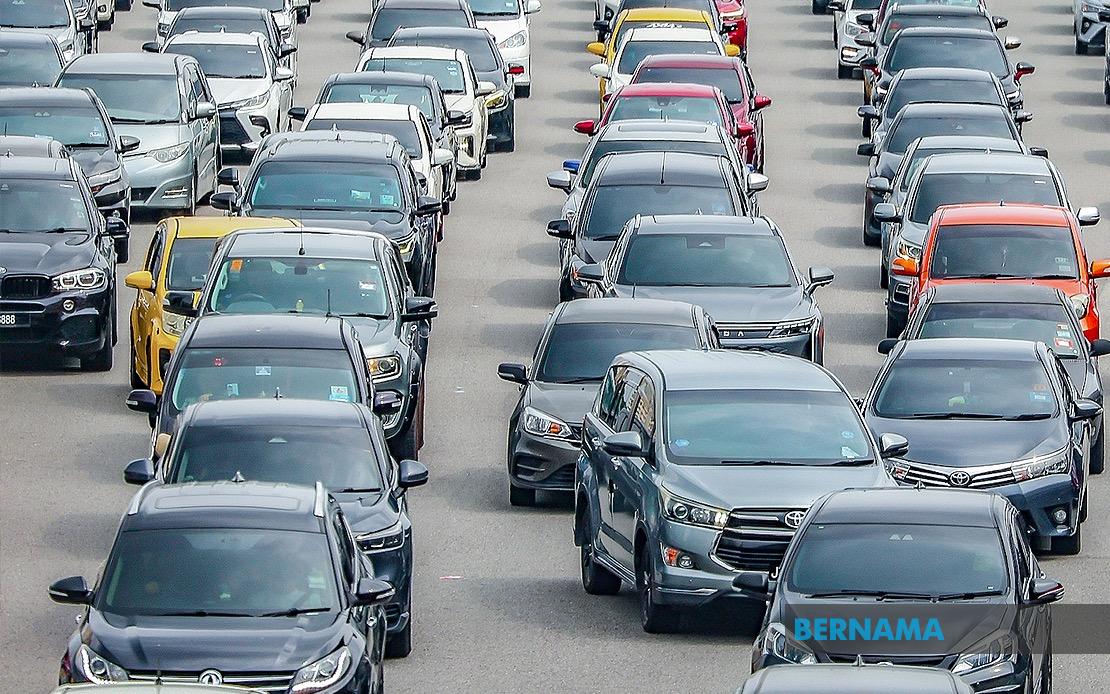
A defining feature of the police response is the commitment to keep primary thoroughfares functioning throughout the three-day programme. Rather than imposing blanket road closures that would gridlock the surrounding neighbourhoods, traffic personnel will orchestrate a series of calculated diversions designed to maintain vehicular flow while accommodating the influx of attendees. Officers stationed at critical intersections will actively direct traffic, allowing law enforcement to adapt in real time to congestion patterns and emerging bottlenecks.
The security footprint mirrors the intensity deployed during the Malaysia Day celebration, suggesting that Penang police have calculated the resource requirements based on visitor projections and logistical demands. This consistency in manpower allocation reflects institutional learning, where past successes inform current deployment strategies. The police chief emphasised that these preparations account for the anticipated spike in attendance across all three days, recognising that media gatherings attract both professional participants and public interest.
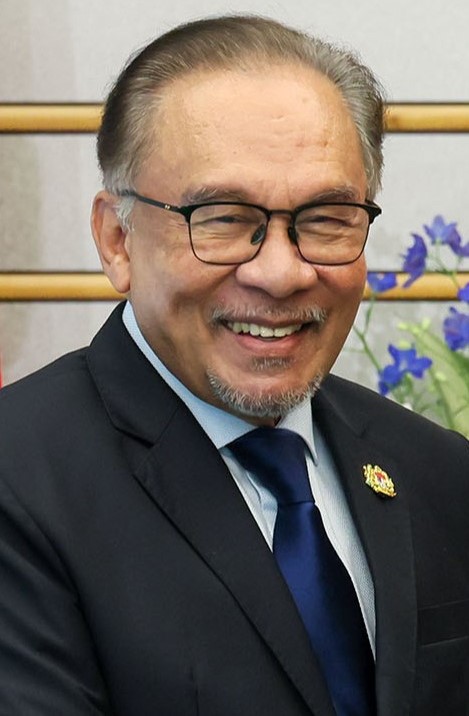
AWANA 2026 carries particular significance as the National Journalists' Day summit, officiated by Prime Minister Datuk Seri Anwar Ibrahim on June 20. The event is designed to converge approximately 1,000 media practitioners from Malaysia and overseas, creating a gathering of considerable symbolic importance for the journalism sector. This assembly of domestic and international media professionals underscores the government's commitment to engaging with the Fourth Estate and reinforcing the role of journalism in national discourse.
The summit adopts the thematic framework "Media Integrity Strengthens Credibility," positioning the gathering as a platform for examining press standards and professional conduct. Organised by the Ministry of Communications with Bernama as the implementing agency, HAWANA 2026 serves a dual purpose: honouring the contributions of media practitioners while simultaneously fostering conversations about journalistic ethics and responsibility. For Malaysian newsrooms and regional media observers, the event offers an opportunity to examine how the country's journalism sector positions itself within contemporary media landscapes marked by digital disruption and evolving credibility challenges.
Beyond the formal summit proceedings, the parallel RIUH Pi HAWANA Carnival extends the event's reach into public consciousness. Spanning three days beginning Friday, the carnival anticipates 30,000 visitors exploring interactive exhibitions, creative workshops, and commercial offerings. This carnival component democratises access to the HAWANA celebration, allowing ordinary citizens to engage with media narratives and explore creative industries beyond traditional journalism.
The carnival programming reveals an ecosystem of over 24 local creative product brands alongside 20 food and beverage vendors, transforming PICCA Convention Centre into a cultural marketplace. This commercial dimension supports local entrepreneurs whilst creating employment opportunities and economic activity during the event period. For Malaysian creative industries seeking visibility and consumer engagement, HAWANA 2026 provides a significant platform.
Entertainment programming features 16 stage performances showcasing established and emerging local artists including Exists, Bunkfac, Masdo, Sakura Band, Budak Nakal Hujung Simpang, and Chelsea Ng. Admission is entirely complimentary, removing financial barriers and broadening accessibility across socioeconomic demographics. This cultural programming strategy recognises that journalism and media operate within broader creative ecosystems, and that artistic expression and press freedom exist in complementary relationship.
For residents and commuters navigating the Butterworth area during the summit period, Datuk Azizee Ismail offered practical guidance emphasising compliance with police instructions and advance journey planning. This messaging balances security imperatives with the legitimate convenience interests of the non-attending public. By encouraging voluntary coordination rather than imposing restrictive measures, authorities signal confidence in their operational capacity whilst respecting community autonomy.
The police deployment reflects broader governance considerations relevant to Malaysia's emerging event management practices. As the nation hosts larger conferences, festivals, and summits, the intersection of security, public convenience, and economic activation becomes increasingly complex. Penang's approach—maintaining arterial roads while implementing surgical traffic management—suggests a calibrated model where police operations enhance rather than disrupt civic normalcy.
For the regional media and international journalists attending HAWANA 2026, the security arrangements provide reassurance whilst maintaining the open character essential to press freedom. Heavy-handed security measures risk conveying messages incompatible with journalistic independence, making the Penang police decision to preserve accessibility particularly relevant. The event occurs within Southeast Asia's broader media landscape, where questions of press autonomy and government engagement with journalism remain perpetually pertinent.
The HAWANA 2026 summit represents an inflection point for Malaysia's media sector and its relationship with governance structures. By convening domestic and international journalists under a credibility-focused framework, the event positions Malaysian journalism within global professional standards whilst creating space for examining local media challenges. The accompanying security operation—balancing protection with openness—embodies the tensions inherent in managing large-scale events where institutional order must accommodate democratic values and public accessibility.