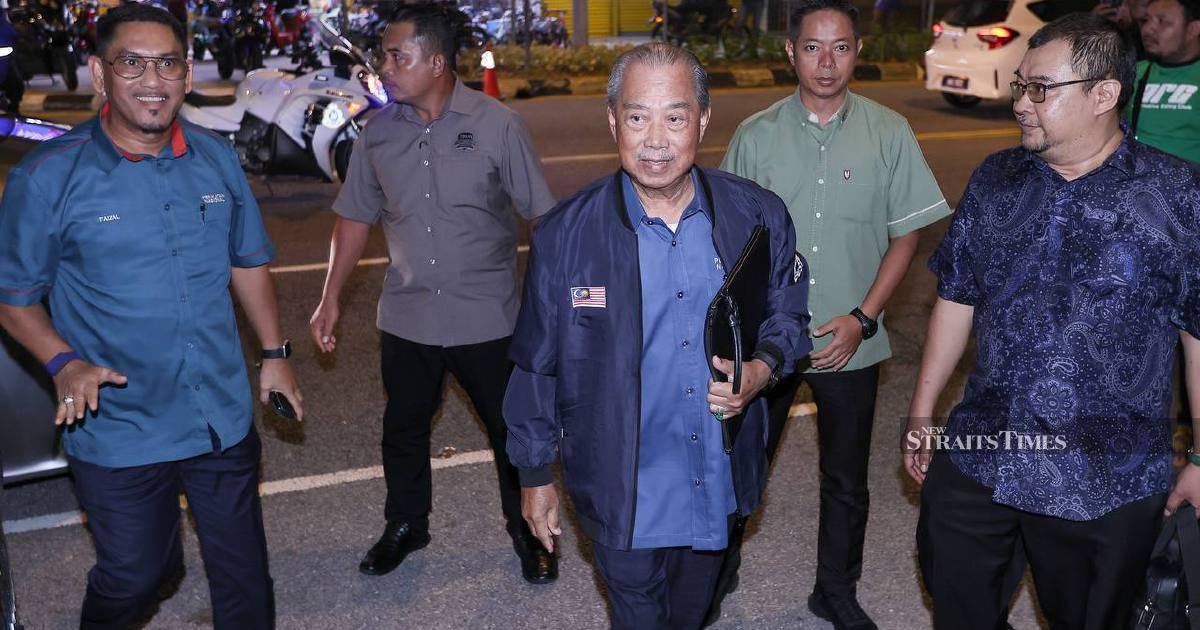
Perikatan Nasional called an emergency session of its Supreme Council at PAS headquarters in Kuala Lumpur, indicating that senior leadership faced pressing decisions requiring immediate deliberation. The timing and venue selection—gathering at the Islamic Party's base rather than neutral ground—suggested that substantive coalition matters demanded urgent attention from the tripartite alliance's top decision-makers.
The opposition coalition, comprising PAS, Bersatu, and HAMIM, has faced mounting pressures in recent months as political dynamics shifted across the federal and state levels. An emergency convening typically signals either internal disputes requiring resolution or external developments that necessitate coordinated response. For a coalition that has positioned itself as an alternative government awaiting electoral opportunity, such gatherings often precede significant policy announcements or strategic repositioning.
Peikatan Nasional's structure places considerable emphasis on its Supreme Council as the apex decision-making body. Representatives from constituent parties gather to chart direction, approve major initiatives, and present a unified face to the electorate and media. The decision to hold an extraordinary session outside regular meeting schedules underscores that ordinary procedures would be insufficient for matters under discussion.
Within Malaysia's complex political landscape, coalition cohesion remains perpetually fragile. PN's formation itself represented a realignment from earlier configurations, and member parties retain distinct organisational identities and sometimes divergent policy positions. Emergency meetings frequently address either threats to coalition unity or opportunities requiring collective endorsement before individual parties can act independently.
For Malaysian observers tracking opposition dynamics, such convocations warrant close attention. Parliamentary arithmetic under the current government remains tight, with coalition strength directly influencing whether proposed legislation faces meaningful obstruction or approval. Emergency Supreme Council sessions historically precede announcements regarding parliamentary strategy, leadership contests within the coalition, or policy reversals that require unified positioning.
The choice of PAS headquarters carries symbolic weight within coalition geography. While neutral venues exist, conducting sensitive meetings at one member party's facility demonstrates trust and agreement on that party's facilities' security and discretion. This decision reflects both practical considerations and the political importance of particular coalition members during moments of decision-making.
Regional implications also warrant consideration. Southeast Asian political observers track Malaysian coalition developments closely, given the nation's role as a regional democratic benchmark. Coalition stability—or instability—influences regional assessments of Malaysia's political predictability and governance reliability. Coalitions that appear internally fractious risk presenting weakness to both domestic constituencies and international observers.
For Malaysian voters uncertain about opposition alternatives to the current government, coalition coherence directly affects electoral calculations. Voters inclined toward change but uncertain about PN's viability pay particular attention to signals of internal tension or disciplined unity. Emergency council sessions, depending on their outcomes, either reassure potential supporters or generate additional doubt about coalition durability.
The involvement of all three coalition partners in this session—whether through full attendance or designated representatives—determines the meeting's significance for intra-coalition relations. Unanimous participation suggests shared urgency, while selective attendance might indicate emerging fault lines requiring careful navigation. Coalition governance in Malaysia frequently involves elaborate consultation protocols designed to maintain perceived equality among parties of different sizes.
Historically, Malaysian opposition coalitions have used emergency meetings to address parliamentary crises, respond to government initiatives, or settle leadership disputes that threatened public unity. The specific content of discussions remains private until coalition leadership chooses to release statements. Media and observers therefore interpret significance through visible cues: meeting duration, participant composition, and subsequent official communications.
The Supreme Council format itself carries weight. Unlike larger gatherings open to rank-and-file members, council sessions involve only senior leadership with decision-making authority. This restricted format permits frank discussion of sensitive matters while minimising information leakage to competing political interests or media before coordinated messaging occurs. Coalition discipline depends heavily on such controlled communication.
For Malaysian analysts assessing political momentum, emergency sessions often precede significant shifts. Whether PN leadership emerges from this meeting with strengthened unity or deepened divisions will shape opposition strategy in coming weeks. The coalition's capacity to present coordinated positions on emerging issues—whether parliamentary votes, state-level governance, or electoral preparation—depends critically on decisions made during such crucial sessions.
As Malaysia navigates continued political realignment and voters contemplate electoral choices, the health and trajectory of opposition coalitions directly influences democratic competition. Emergency Supreme Council sessions, while sometimes routine in character, occasionally mark pivotal moments when coalition partners recalibrate relationships, reaffirm commitment to unified direction, or quietly acknowledge fundamental disagreements requiring difficult compromises.

