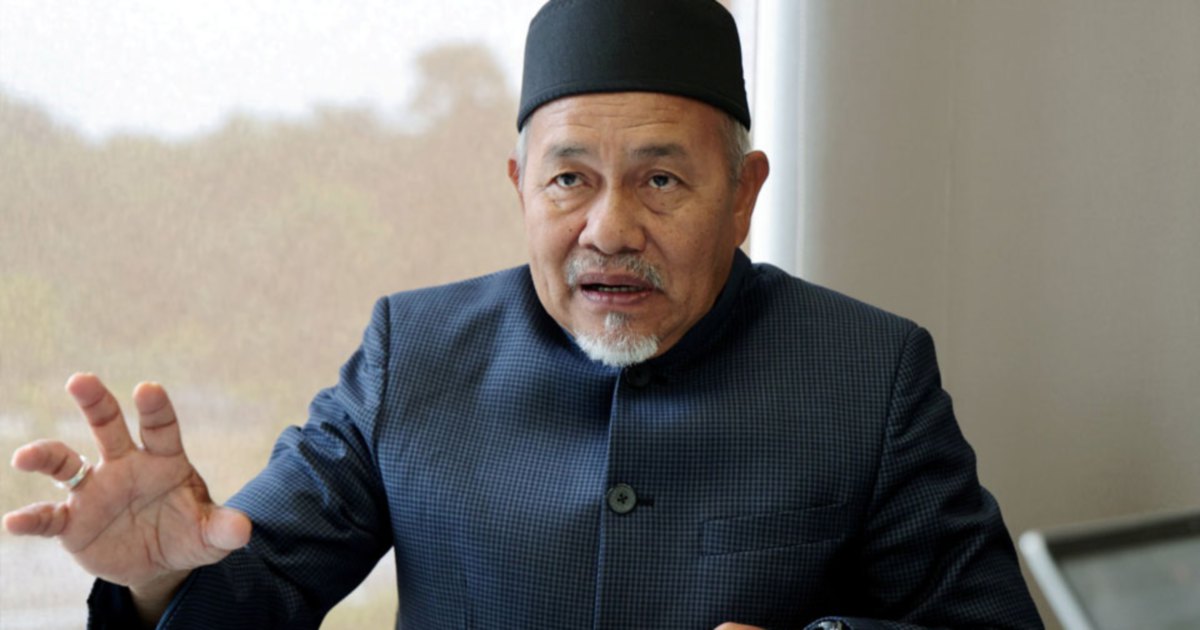
The political tensions within Malaysia's Perikatan Nasional coalition have intensified as the bloc's leadership disputes the reasons behind a postponed negotiation session. In Kota Baru, PN officials publicly rejected Bersatu's account of why the coalition's Seat Negotiation Committee failed to convene as scheduled, signalling deepening fractures within the opposition alliance that has sought to challenge the federal government since 2020.
Bersatu had attributed the indefinite postponement to PAS's interest in pursuing political cooperation with Barisan Nasional, Malaysia's historically dominant coalition and current ruling partner. This claim struck at the heart of PN's stability, suggesting that one of its three major components was hedging its bets by maintaining dialogue with rival political forces. For an opposition coalition already fragile from years of internal disagreement and electoral setbacks, such manoeuvring represents a significant threat to cohesion.
PN's categorical denial of Bersatu's characterisation reflects the coalition's desire to project unity at a time when confidence among its ranks remains shaky. By dismissing the explanation outright, PN leadership sought to prevent the narrative from taking hold among its supporters and potential allies. The coalition has faced repeated defections and realignments since its formation, with various parties calculating whether remaining aligned serves their political interests better than exploring alternative arrangements.
The Seat Negotiation Committee serves as a critical mechanism for PN's function, determining how parliamentary and state legislative seats are distributed among its component parties before elections. When such coordination breaks down, it signals not merely procedural disagreement but fundamental questions about the coalition's viability. Previous delays in seat allocation talks have preceded splits and realignments within Malaysian political blocs.
PAS's potential overture to Barisan Nasional cannot be viewed in isolation from recent political history. The Islamic party has maintained fluid relationships with multiple coalitions over recent years, prioritising its own electoral prospects and policy influence. Its previous partnership with PH in 2018 ended acrimoniously, and subsequent alliances with PN have proven equally temperamental. Should PAS indeed be exploring engagement with BN, it would represent a return to patterns of political pragmatism that have characterised Malaysian politics for decades.
For Bersatu, the public airing of internal grievances serves multiple purposes. By attributing PN's dysfunction to PAS's external negotiations, Bersatu positions itself as the coalition's honest broker and loyal member. This framing allows the party to deflect responsibility for any instability while simultaneously warning other PN components that flexibility with external actors carries reputational costs. Bersatu's leadership has struggled to stabilize the party following internal upheaval and defections, making symbolic gestures of coalition loyalty strategically important.
The postponement of seat negotiations occurs against Malaysia's complex political landscape, where no single coalition commands overwhelming dominance. The federal government, led by Anwar Ibrahim's Pakatan Harapan-UMNO alliance, maintains parliamentary working majorities but lacks overwhelming mandates in several states. Meanwhile, PN controls several state governments and retains substantial parliamentary representation. This equilibrium creates incentives for constant coalition shopping and renegotiation among all players.
From a regional perspective, these Malaysian coalition dynamics matter beyond domestic politics. A functional opposition strengthens democratic competition and provides policy alternatives to voters. Conversely, instability within opposition blocs can inadvertently entrench governing coalitions by fracturing the anti-establishment vote. Southeast Asian observers have watched Malaysia's political evolution closely, particularly regarding how Islamic parties like PAS navigate partnership with secular-oriented and conservative Muslim-majority coalitions simultaneously.
The disagreement between PN components also highlights the challenge of maintaining coalitions based on electoral arithmetic rather than coherent ideological programmes. When parties join alliances primarily to contest elections and secure government positions, the relationships remain vulnerable to shifting calculations about which alliance best serves individual party interests. This structural weakness has plagued Malaysian opposition coalitions throughout the post-1998 reform era.
Moving forward, PN faces pressure to demonstrate functionality and unified purpose. Any rescheduled seat negotiation meeting will attract intense scrutiny from party members and observers seeking to gauge whether the coalition can operate effectively. Failed negotiations could trigger cascading defections, as smaller parties and individual politicians recalculate their chances of electoral success and political influence under alternative arrangements. Conversely, successful negotiations might temporarily stabilise the coalition, though deeper questions about PAS's commitment and Bersatu's positioning would remain.

