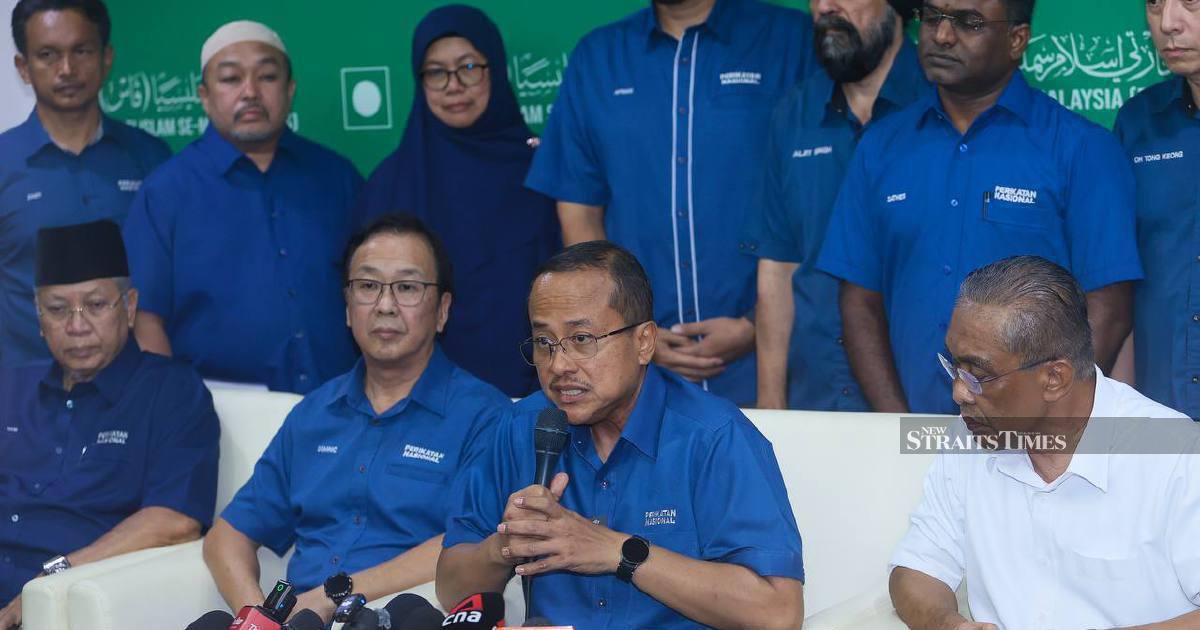
Perikatan Nasional has moved to strengthen its parliamentary position by welcoming two additional political parties into the coalition fold, according to PN chairman Datuk Seri Dr Ahmad Samsuri Mokhtar. The expansion decision emerged from an emergency Supreme Council session convened in Kuala Lumpur, signalling the opposition bloc's continued efforts to consolidate its political standing in the lead-up to potential shifts in Malaysia's political landscape.
The recruitment of fresh political parties represents a strategic manoeuvre for PN, which has sought to broaden its appeal and parliamentary representation since performing strongly in the 2022 general election. By incorporating additional members, the coalition aims to enhance its negotiating power and demonstrate widespread grassroots backing across diverse political constituencies. The timing of the emergency meeting underscores the perceived urgency within PN's leadership to solidify organizational structures and prepare for evolving political contingencies.
However, the expansion came at the cost of deferring several critical governance matters that have generated considerable tension within the coalition's ranks. Most notably, the contentious Wawasan party issue—a point of disagreement that has strained internal cohesion—was deliberately excluded from tonight's agenda. This strategic deferment suggests PN leadership sought to maintain momentum on coalition expansion without allowing outstanding disputes to derail progress or consume precious meeting time.
Equally significant was the decision to postpone deliberations regarding the coalition's official logo and visual branding framework. For political coalitions, such symbolic elements carry substantial weight in terms of public recognition, party discipline, and organizational identity. That this matter remains unresolved indicates ongoing disagreement about fundamental aspects of PN's institutional presentation to voters and party members alike. The logo controversy potentially reflects deeper divisions over the coalition's direction and which constituent parties should enjoy prominent visual representation.
The exclusion of these thorny issues from tonight's discussions raises important questions about PN's internal decision-making processes and conflict resolution mechanisms. Rather than addressing divisive topics head-on, the party apparatus has opted for compartmentalization, potentially storing up problems that could resurface with greater volatility at future meetings. This approach carries inherent risks: without timely resolution, lingering grievances among member parties could fester and undermine the unity necessary for coalition effectiveness during parliamentary votes or coordinated electoral campaigns.
For Malaysian observers monitoring opposition dynamics, PN's expansion strategy reflects a broader pattern within the country's political system: coalitions frequently pursue numerical growth as a substitute for resolving underlying ideological or structural conflicts. The addition of two new parties provides PN with tactical advantages in terms of parliamentary seats and demonstrates external momentum, yet simultaneously masks unresolved tensions that may periodically destabilize coalition operations. This is particularly relevant given Malaysia's history of coalition instability, where parties have frequently switched allegiances or withdrawn support based on factional disputes.
The Wawasan party specifically merits closer attention from political analysts, as its status within PN has clearly become contentious enough to warrant deliberate exclusion from discussions. Whether Wawasan represents a legitimate coalition member facing organizational challenges, a party seeking greater autonomy, or a vehicle for factional interests within PN requires clarification that current leadership appears unwilling to provide at this juncture. The postponement strategy essentially allows various PN factions to interpret the deferment in ways serving their respective interests, perpetuating ambiguity that could prove destabilizing.
The logo dispute similarly deserves scrutiny, as coalition branding exercises typically involve negotiations over visual prominence and symbolic hierarchy among member parties. That PN has not achieved consensus on this ostensibly technical matter suggests underlying disputes about which parties should be perceived as PN's core components versus peripheral affiliates. For voters and party members, inconsistent or delayed branding decisions communicate organizational disorder and potential leadership dysfunction at the very moment PN seeks to project confidence and readiness for potential governmental responsibility.
Regionally, PN's expansion manoeuvres occur within Southeast Asia's broader political climate, where opposition coalitions have attempted various strategies to consolidate influence against incumbent governments. Some neighbouring countries have witnessed successful coalition-building exercises that temporarily altered electoral outcomes, whilst others have seen coalitions fragment due to irresolvable internal contradictions. Malaysia's PN is navigating similar terrain, where balancing coalitional expansion with internal dispute resolution presents perpetual challenges.
The practical implications for Malaysian politics are substantial. PN's parliamentary strength hinges partly on maintaining coalition discipline during crucial votes on government budgets, legislation, or confidence motions affecting the Prime Minister's position. Each new member party potentially brings additional parliamentary representation but also introduces fresh vectors for internal disagreement. The more coalition partners PN encompasses, the greater the coordination challenges and potential for strategic freelancing by individual parties seeking constituency-level advantage or ideological positioning.
For Malaysian voters, PN's trajectory warrants careful monitoring. The coalition's ability to resolve deferred issues like the Wawasan matter and logo branding will serve as indicators of whether PN is genuinely moving towards greater coherence or merely papering over structural weaknesses. Political coalitions that persistently postpone contentious decisions often find those decisions eventually resolved through acrimonious splits or unexpected defections, potentially undermining their electoral prospects in future general elections. PN's current expansion phase will ultimately prove successful only if it can subsequently manage internal dynamics constructively rather than indefinitely deferring resolution of persistent tensions.
Datak Seri Dr Ahmad Samsuri Mokhtar's confirmation of the two new parties' admission demonstrates PN's commitment to numerical growth, yet the strategic exclusion of the Wawasan and logo matters from discussion reveals the coalition's persistent vulnerability to internal factionalism. Whether this expansion represents genuine strengthening or merely tactical manoeuvring remains an open question that Malaysian politics will continue unfolding in coming months.

