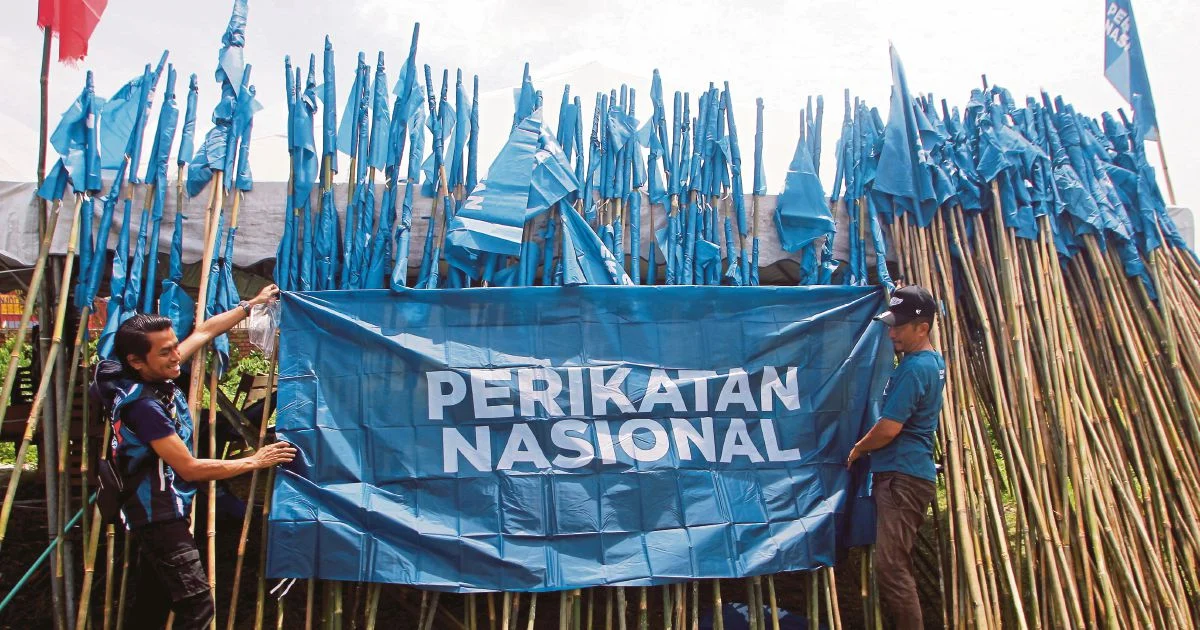
The Perikatan Nasional coalition has scheduled a critical Supreme Council meeting for June 22, bringing together senior party leadership to address mounting internal disagreements that threaten the stability of Malaysia's main opposition alliance. The gathering in Kota Baru will tackle long-standing disputes over the use of the coalition's logo and the mechanisms for endorsing candidates in future electoral contests—issues that have quietly accumulated within the alliance's decision-making structures and now demand formal resolution.
These unresolved matters carry significant weight for PN's operational cohesion. The logo dispute points to deeper questions about branding authority and how the coalition projects unified identity to voters, a particularly sensitive concern in Malaysia's fractionalised political landscape where coalition partners must balance individual party visibility against collective alliance strength. The candidate endorsement question, meanwhile, strikes at the heart of electoral strategy and seat allocation—domains where coalition partners have historically competed fiercely for advantage and influence.
For Malaysian observers, the meeting assumes particular importance given PN's prominent role in recent national politics. The coalition emerged as a serious governmental contender during recent electoral cycles and maintains considerable parliamentary representation. How it resolves internal procedural questions will influence its capacity to mount coordinated challenges to the ruling government and present voters with coherent policy alternatives. Unresolved tensions can bleed into campaign effectiveness and voter messaging consistency.
The logo question deserves careful attention. In Malaysian politics, coalition brands carry symbolic weight that extends beyond simple visual recognition. They signal partnership equity and shared commitment to stakeholders, members, and electorate alike. Logo disputes often mask deeper anxieties about whether larger partners are attempting to subsume smaller ones or whether junior coalition members receive proportionate representation in decision-making architecture. The June 22 discussion will reveal whether PN's constituent parties can negotiate these sensitivities constructively.
Candidate endorsement protocols represent equally complex terrain. Coalition partners necessarily compete for winnable seats, yet the endorsement mechanism must appear fair enough to maintain trust among alliance members. Some parties may seek guarantees that the coalition will field their nominees in safe constituencies, while others prioritise selecting candidates with strongest electoral viability regardless of party affiliation. Balancing meritocratic selection principles against party loyalty expectations requires sophisticated negotiation frameworks that apparently remain underdeveloped within PN's structures.
The Kota Baru location suggests that PN leadership—rooted in Kelantan's PAS-dominated political culture—retains organisational advantage in this state. The choice may also signal an attempt to demonstrate the coalition's continued relevance in a key stronghold where PN components hold significant influence. Kelantan remains politically significant as a state where opposition and ruling coalitions compete intensely, making the meeting's location a subtle statement about PN's ground strength.
Regional implications warrant consideration. Southeast Asia's broader political context includes several coalition-based governing arrangements, and how Malaysia's opposition alliance manages internal cohesion attracts interest from neighbouring democracies navigating similar coalition dynamics. PN's ability to institutionalise conflict-resolution mechanisms could provide instructive lessons or cautionary tales for other regional political alliances attempting to coordinate diverse partisan interests toward shared electoral objectives.
The meeting's timing also matters strategically. Scheduling deliberations well in advance of major electoral contests allows time for digestion of decisions, adjustment of campaign plans, and restoration of internal unity before voters go to polls. Postponing these discussions indefinitely courts the risk of last-minute crises that could fracture the coalition when campaign pressure peaks and constituent parties' individual interests sharpen into conflicting demands.
What remains unclear from available reporting is whether the Supreme Council meeting will generate binding resolutions or merely establish negotiating frameworks for continued bilateral discussions among component parties. The former approach carries risks of imposing unpopular decisions on reluctant coalition members; the latter might perpetuate ambiguity that undermines campaign coordination. The June 22 gathering will reveal which governance philosophy PN leadership favours and whether constituent parties possess sufficient trust to accept centralised decision-making authority.
These internal deliberations occur within Malaysia's broader political environment, where opposition alternatives to the current government remain contested terrain. Voter confidence in PN's capacity to function as a unified force affects whether the coalition can translate parliamentary numbers into meaningful political leverage and whether it can present compelling governmental alternatives in any future electoral contest. Successfully resolving logo and endorsement disputes would strengthen that position considerably.
For coalition members themselves, the meeting represents an opportunity to clarify rules governing their coexistence and to establish transparent procedures that minimise future grievances. Conversely, if the Supreme Council fails to achieve genuine consensus or produces resolutions that appear imposed rather than negotiated, internal resentment could fester beneath surface unity, ultimately damaging electoral performance and post-election coalition sustainability. The coming weeks will demonstrate whether PN leadership possesses the negotiating skill and political will required to convert procedural discussions into substantive institutional improvements that enhance the coalition's long-term viability and effectiveness.

