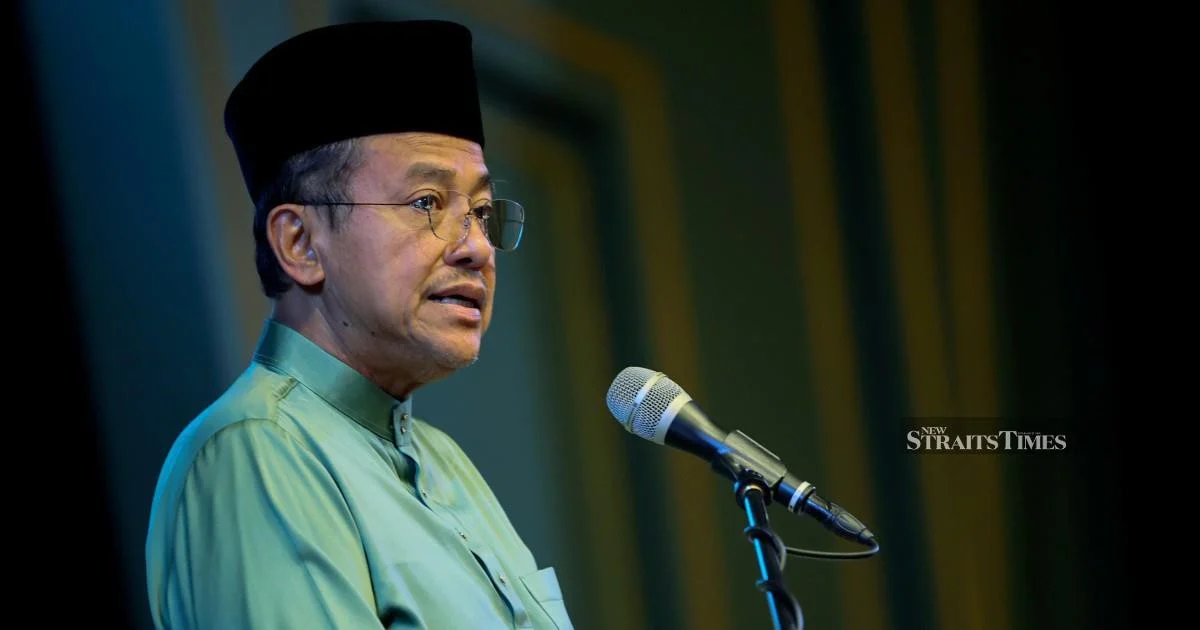
The Perikatan Nasional leadership council has scheduled a critical meeting for tomorrow to evaluate Bersatu's standing and role within the opposition coalition, according to Datuk Seri Dr Ahmad Samsuri Mokhtar, the vice-president of PAS, one of PN's principal components. The announcement, made in Temerloh, signals renewed focus on the structural dynamics and strategic positioning of parties within the three-party coalition that has emerged as a significant political force challenging the federal government.
The timing of this formal review underscores growing deliberation within PN's upper echelon regarding how Bersatu, the Pribumi Bersatu Malaysia party, should function and maintain its influence within the broader coalition framework. Such leadership discussions typically address questions of party discipline, resource allocation, electoral coordination, and the articulation of unified policy positions that represent all members effectively.
Bersatu's status within PN has drawn attention periodically since the coalition's formation and evolution. The party, which has undergone significant transformations in its political journey and leadership transitions, occupies a unique position as it navigates relationships with its larger coalition partners, PAS and HAMIM. How PN's leadership structures decision-making and distributes responsibilities among its constituent parties remains central to the coalition's cohesion and electoral competitiveness.
For Malaysian observers of opposition politics, PN's internal management becomes increasingly relevant as the country approaches potential electoral cycles. The coalition's ability to present unified messaging, coordinate candidate deployment, and maintain party loyalty across its membership directly influences its capacity to challenge incumbent administrations and appeal to voters seeking alternatives to the current political establishment.
The leadership council's formal discussion format suggests that concerns or questions about Bersatu's contribution or positioning have accumulated sufficiently to warrant official deliberation. Whether these discussions emerge from performance metrics in recent electoral contests, internal party dynamics, resource concerns, or strategic disagreements about coalition direction remains to be clarified once the meeting concludes.
PAS, as PN's largest component by parliamentary representation in several states, naturally plays a significant coordinating role in such discussions. The party's involvement in flagging the meeting indicates that matters affecting Bersatu influence broader coalition interests that PAS considers consequential. This reflects the interdependent nature of opposition coalitions, where one party's trajectory affects all participants' strategic options and bargaining positions.
Bersatu's own evolution has included leadership successions and periods of internal recalibration. Understanding how the party positions itself within PN's hierarchy, particularly regarding seat allocations in future elections, policy advocacy priorities, and representation in coalition negotiations with other political forces, remains crucial for assessing PN's long-term viability as an organized political alternative.
For Malaysian and regional political analysts, the meeting also provides insight into how opposition coalitions in competitive democracies manage component tensions. Unlike single-party systems, coalition politics requires continuous negotiation over resources, recognition, and strategic direction. These formal leadership councils represent the machinery through which such adjustments occur, often privately debated before becoming visible to the broader public through official statements.
The Malaysian context adds particular complexity, as ethnic, religious, and regional considerations shape how coalition parties interact. Bersatu's positioning relative to PAS, which maintains strong rural and Malay-Muslim voter bases, and HAMIM, the Pan-Malaysian Islamic Party, involves navigating these overlapping constituencies while maintaining distinct party identities and member benefits that justify separate organizational existence.
Following tomorrow's meeting, the coalition's public messaging regarding the discussion's outcomes will merit careful examination. Whether PN leadership issues formal statements reaffirming unity, announcing structural adjustments, or clarifying Bersatu's specific roles in upcoming initiatives will signal the tenor and resolution of whatever concerns prompted this formal review.
The broader significance of this leadership council session extends beyond internal coalition administration. PN's demonstrated capacity to resolve internal differences constructively, maintain party discipline, and coordinate strategic activities influences voter perceptions of its readiness for government. Observers across the political spectrum will interpret the meeting's outcomes as indicators of coalition stability and maturity.

