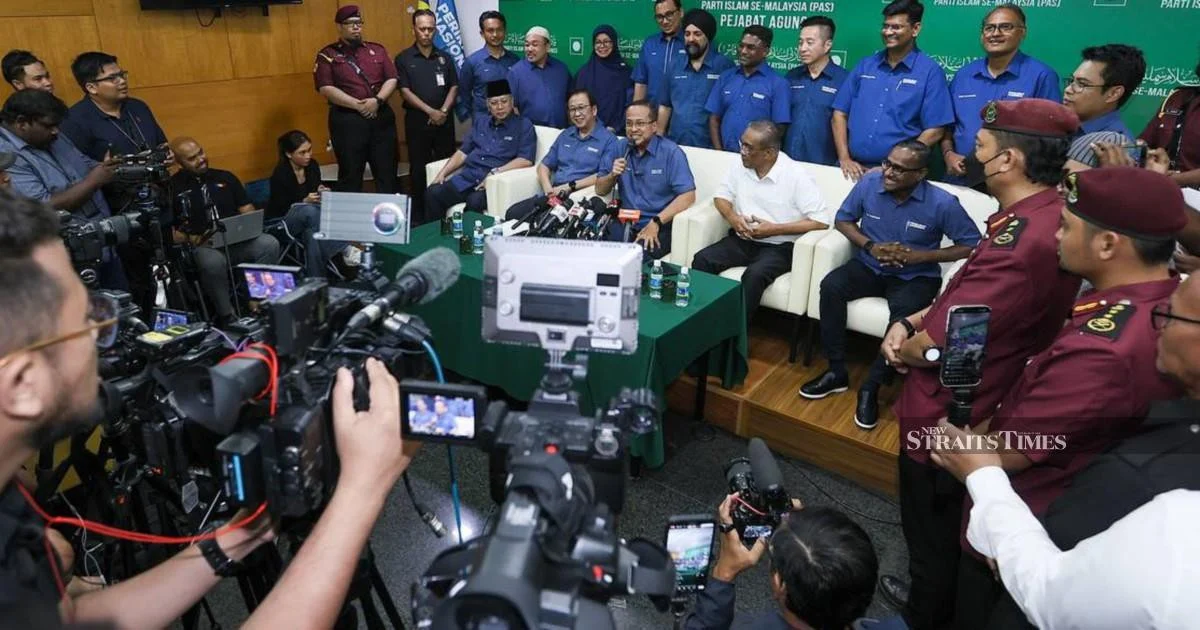
Perikatan Nasional (PN) is scheduled to complete its seat allocation blueprint for the Johor state election through a special meeting convened in Kuala Lumpur today, signalling an imminent acceleration in the coalition's campaign preparations ahead of polling day.
The decision to formalise seat distribution reflects mounting pressure within Malaysian politics for clarity on coalition arrangements, particularly as the Johor election represents a significant electoral battleground that could reshape the political landscape of Southeast Asia's wealthiest state. PN's constituent parties—which include Bersatu, PAS, and other regional partners—have been engaged in protracted negotiations over weeks to reconcile their respective territorial ambitions and candidate preferences.
Johor holds profound strategic importance for any ruling coalition seeking to consolidate power at federal level. The state's 56 state assembly seats represent a formidable prize, and strong electoral performance here would provide PN with considerable negotiating leverage in future federal arrangements and cabinet allocations. Conversely, a weak showing could undermine the coalition's credibility as a viable alternative government.
The timing of today's finalisation is not arbitrary. By settling seat allocation now rather than at the eleventh hour, PN aims to project organisational competence and provide candidates with adequate preparation time for campaigning. This approach contrasts sharply with the fractious late-stage bargaining that has occasionally plagued other coalitions, which often appears chaotic to voters and suppresses party enthusiasm.
For Malaysian readers and observers across the region, PN's cohesion during this preparatory phase warrants close monitoring. Coalition stability frequently predicates electoral success, as internal tensions can spill into public perception and voter confidence. The way PN's leadership has managed competing interests among its partners will offer useful indicators about whether the coalition possesses the organisational discipline necessary to govern effectively should it win substantial electoral support.
The negotiating teams have faced complex challenges in determining seat allocations. PAS, which holds significant grassroots support particularly among rural constituencies, has advanced substantial seat demands. Bersatu, seeking to rebuild its political standing following recent reversals, has also sought meaningful representation. Other component parties have similarly advocated for constituencies matching their perceived electoral strength and historical performance in Johor.
Geographic considerations have complicated discussions considerably. Johor comprises diverse constituencies ranging from urban industrial zones to agricultural heartlands, each presenting distinct voter demographics and campaign requirements. Allocating seats requires balancing party strengths with actual electoral viability, a calculus that frequently generates friction when ambitions exceed realistic prospects.
The Johor election itself remains undeclared in terms of timing, yet political observers expect the state assembly to be dissolved within the coming months. This creates urgency for PN to demonstrate readiness, as premature dissolution could catch unprepared coalitions severely disadvantaged. By completing seat allocation arrangements today, PN effectively signals confidence in its organisational capacity and commitment to contesting comprehensively.
For Johor voters, PN's finalised strategy will soon become public knowledge through official candidate announcements. These revelations will enable electorate assessment of whether selected candidates align with community interests and possess credible track records. Strong candidate choices could energise PN supporters and attract persuadable voters, whilst weak or controversial selections might generate discontent and defections.
The broader implications extend throughout Southeast Asia. Malaysian electoral outcomes consistently influence regional political calculations, as the country serves as a significant democracy within the increasingly complex ASEAN ecosystem. A PN performance in Johor would either reinforce or challenge contemporary assessments about opposition coalition viability across the region.
PN's leadership has invested considerable political capital in consolidating its partner parties around shared objectives and unified messaging. The seat allocation decision represents tangible proof of whether that investment has yielded genuine consensus or merely papered over fundamental disagreements. Successful unity now could translate into campaign momentum, whereas visible fractures would inevitably invite scepticism about the coalition's durability and governing potential.
As the coalition approaches this significant decision point, internal dynamics will shift toward intensified campaign preparation. Ground operations will accelerate, messaging strategies will crystallise, and resources will flow toward identified priority constituencies. The outcomes announced today will therefore determine campaign geography and resource deployment across Johor's diverse constituencies over ensuing weeks.

