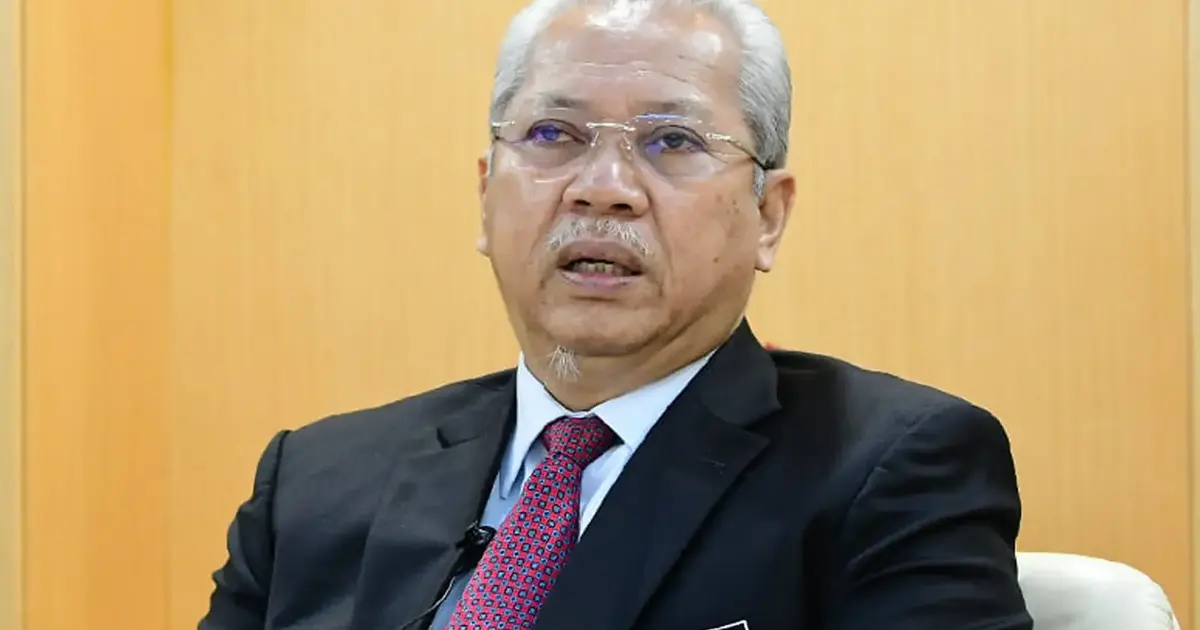
Perikatan Nasional's top leadership will gather Monday to untangle a growing web of tensions within the opposition coalition, with decisions pending on the controversial use of the PN logo and how available seats will be distributed between parties contesting state elections in Johor and Negeri Sembilan. Information chief Annuar Musa has made clear that only the Supreme Council, the coalition's highest decision-making body, possesses the authority to definitively settle these contentious matters that have threatened to destabilise the bloc's electoral preparations.
The logo dispute has become emblematic of deeper fractures within PN, particularly surrounding Parti Bumiputera Bersatu's continued role and standing within the coalition structure. Questions have mounted about whether Bersatu, which has served as one of PN's anchoring parties, will maintain its position or face restrictions on how it can present itself to voters in forthcoming contests. The clarification of these rules carries enormous practical weight, since the visual identity parties project during campaigns shapes voter perception and ballot paper presentation.
Bersatu's relationship with PN has grown increasingly complicated in recent months, with party leadership facing difficult calculations about organisational strategy and electoral viability. The coalition itself remains a fractious alliance of parties with sometimes competing interests, and when it comes to high-stakes electoral contests like state polls, disagreements over resource allocation and branding become especially acute. Annuar's statement essentially signals that until the Supreme Council formally resolves these questions, no party should assume it has obtained permission to proceed independently or claim exclusive rights to coalition symbols.
The Johor and Negeri Sembilan state elections represent significant flashpoints in Malaysian politics, given these states' economic importance and the symbolic value of winning in Bersatu's traditional strongholds or newly contested territories. How seats are divided between PN coalition members will determine whether the bloc can mount a credible challenge to ruling coalitions or whether fragmentation will weaken its competitive position. An unfair allocation might provoke walk-outs or parallel candidacies that cannibalize votes, while an equitable formula could project unity and coherence to voters.
For Malaysian political observers, the Monday meeting will serve as a crucial litmus test of PN's internal discipline and capacity for compromise. Coalition politics in Malaysia has historically proven fragile, with alliances fracturing over perceived slights or unequal treatment. The fact that fundamental questions about logo usage and seat allocations remain unresolved at this late stage suggests either deliberate postponement of contentious issues or structural weaknesses in how PN coordinates between its constituent parties. Either interpretation raises questions about the coalition's readiness for intensive campaigning.
Bersatu's future within PN hinges partly on electoral mathematics. If the party believes it can achieve better results standing under PN's banner than independently, it will likely accept whatever compromise the Supreme Council proposes. However, if internal pressure mounts from party members or if grassroots sentiment suggests standalone candidacies might yield superior outcomes, Monday's decisions could catalyse further defections or rebellions from parties frustrated by PN's decision-making processes.
The broader context matters considerably. Southeast Asian opposition coalitions typically struggle to maintain unity without a common enemy, and PN's cohesion has been tested repeatedly as it navigates between being an opposition force and a prospective governing alternative. Resolving these technical questions now creates space for parties to focus on campaign messaging and candidate selection rather than remaining bogged down in internal disputes that drain energy and erode public confidence in PN's ability to govern effectively if voters entrust it with power.
Regional implications also deserve consideration. How PN performs in Johor and Negeri Sembilan will influence the electoral arithmetic at national level and could reshape the political landscape ahead of the next general election. If PN consolidates support and demonstrates internal functionality, it strengthens its credibility as a potential ruling coalition. Conversely, public displays of disunity or acrimonious disputes over seat allocations could convince voters that the bloc lacks the maturity and consensus-building capacity required for executive governance at state or federal level.
Annuar Musa's role as information chief positions him as the public face of coalition messaging, making his statements about Supreme Council authority particularly significant. By emphasizing that only this body can resolve disputes, he is both asserting institutional hierarchy and implicitly cautioning restless members against attempting unilateral action. This messaging serves to buy time for behind-the-scenes negotiations while preserving PN's public image as an organized, rule-bound entity rather than a collection of feuding fiefdoms pursuing individual advantage.

