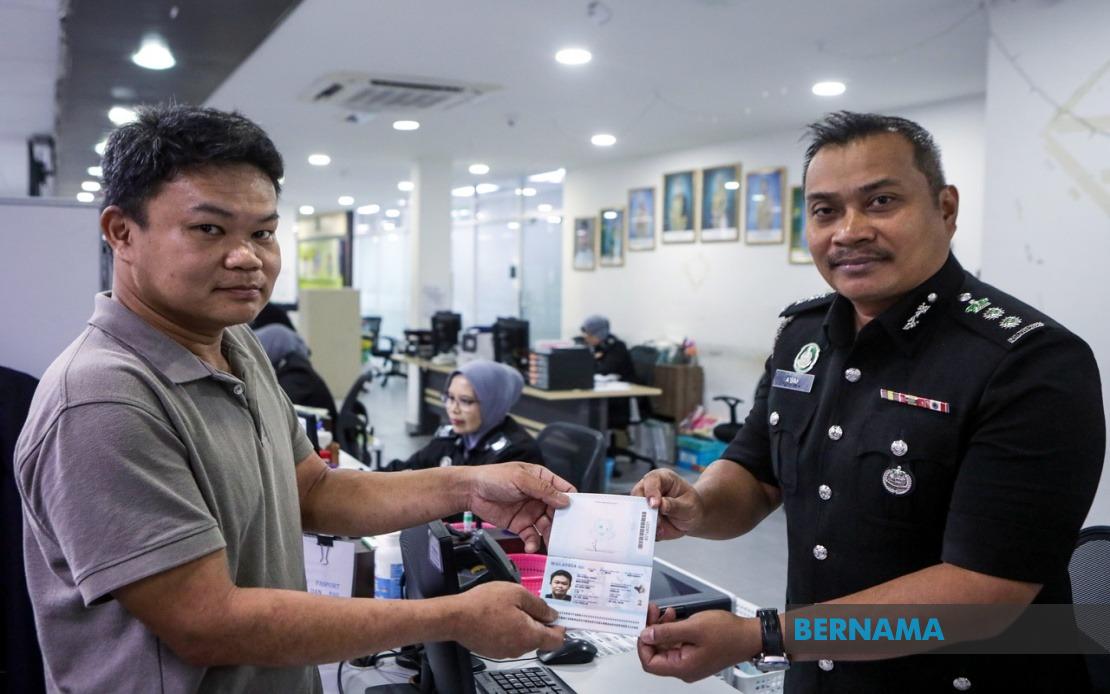
The Perlis Immigration Department commenced distribution of the newly redesigned Malaysian International Passport on July 20, marking the state's entry into a nationwide rollout of the upgraded travel document. The fresh iteration incorporates 94 distinct security elements designed to combat document fraud and strengthen Malaysia's border integrity at a time when identity verification has become increasingly critical across Southeast Asian travel networks. This advancement reflects the government's commitment to modernising administrative systems whilst maintaining regional competitive standards in travel document technology.
Perlis Immigration director Mohammad A'sim Md Ali announced the development during a press briefing at the Kangar Urban Transformation Centre, where the initial processing facility has been established. He explained that the new printing infrastructure was only recently installed at this location, enabling the department to begin accepting applications immediately. However, the centralised printing operations remain temporarily concentrated at the UTC office, as the installation of a permanent printing machine at the Perlis Ministry of Home Affairs Complex has been deferred pending essential facility upgrades.
The relocation of printing equipment to the Ministry complex is anticipated to occur in October following completion of structural improvements and modernisation of public service counters. This phased approach, while potentially creating temporary processing bottlenecks, allows authorities to ensure that the new printing facility meets contemporary security standards and can handle increased application volumes without compromising document quality. The delays reflect broader infrastructure challenges facing smaller states seeking to maintain pace with federal technology initiatives.
The Malaysian International Passport underwent its official national launch on June 30 by Prime Minister Datuk Seri Anwar Ibrahim, with public applications commencing on July 1. Eligible applicants include all Malaysian citizens aged 18 and above, who may select between two validity periods: five years or ten years. This flexibility acknowledges varying citizen needs, particularly benefiting younger travellers and those with unstable employment circumstances who may not require a full decade of document validity.
The new passport represents a significant technological and security advancement for Malaysian travel documentation. The integration of 94 discrete security features positions it among the more sophisticated travel documents in regional circulation, incorporating both visible and invisible protective elements designed to thwart counterfeiting attempts and document tampering. These enhancements carry particular significance for Southeast Asia, where document fraud remains a persistent challenge affecting regional mobility and security cooperation.
Perlis Immigration reported encouraging public reception during the initial implementation phase. Between January 1 and July 17, the department processed 31,722 travel documents overall, comprising 6,918 standard passports, 72 Restricted Travel Documents, and 24,732 Border Passes. These figures demonstrate sustained demand for identity and travel documentation within the state, suggesting that the new passport programme is unlikely to face uptake challenges. The baseline of existing applications indicates a mature understanding among Perlis residents of documentation requirements for cross-border movement.
The introduction of the enhanced passport aligns with Malaysia's broader strategic objective of elevating travel document security whilst delivering improved convenience to citizens. Beyond the technical security improvements, the new passport incorporates design elements reflecting contemporary international standards and incorporates features that facilitate easier verification by immigration authorities across multiple jurisdictions. This dual emphasis on security and usability reflects lessons learned from comparable initiatives undertaken by neighbouring countries grappling with similar challenges of balancing accessibility with rigorous identification protocols.
For Malaysian travellers, particularly those in Perlis and adjacent northern states, the implementation carries practical implications for journey planning. Citizens renewing or obtaining passports must now navigate the temporary concentration of processing at the UTC facility, potentially requiring advance scheduling or travel to Kangar. This interim arrangement, while manageable, underscores the logistical complexity of rolling out technological upgrades across Malaysia's geographically dispersed immigration infrastructure. Residents of neighbouring Kedah may face decisions about whether to apply through their home state or access Perlis facilities, depending on processing timelines and relative convenience.
The security architecture embedded within the new passport also reflects Malaysia's positioning within broader Southeast Asian security frameworks. As countries across the Association of Southeast Asian Nations face mounting pressures to enhance border management and counter human trafficking and document fraud, Malaysia's investment in advanced passport technology signals commitment to regional cooperation and interoperability standards. The enhanced document facilitates smoother recognition and verification processes at ASEAN checkpoints, supporting the region's aspirations toward seamless mobility whilst maintaining essential security screening.
Longer-term implications include potential capacity pressures as the new passport gradually replaces existing documentation across the national population. The phased installation approach, whereby Perlis currently operates independently whilst awaiting its permanent printing facility, illustrates the sequential challenge of upgrading systems across multiple states. Federal authorities must carefully manage the timing of facility openings to prevent processing backlogs, particularly as states with larger populations eventually transition to the new technology. This operational complexity explains the measured pace of rollout across Malaysian immigration offices.
The Perlis initiative also generates implications for citizens planning extended overseas commitments. Those selecting the ten-year validity option benefit from extended document lifespan, reducing the frequency of renewal applications and associated administrative burden. Conversely, five-year selections may appeal to younger citizens or those experiencing life circumstances anticipated to change within the medium term. The availability of choice represents a user-centred approach to document design that acknowledges the heterogeneous needs of Malaysia's diverse citizen population across different life stages and migration patterns.

