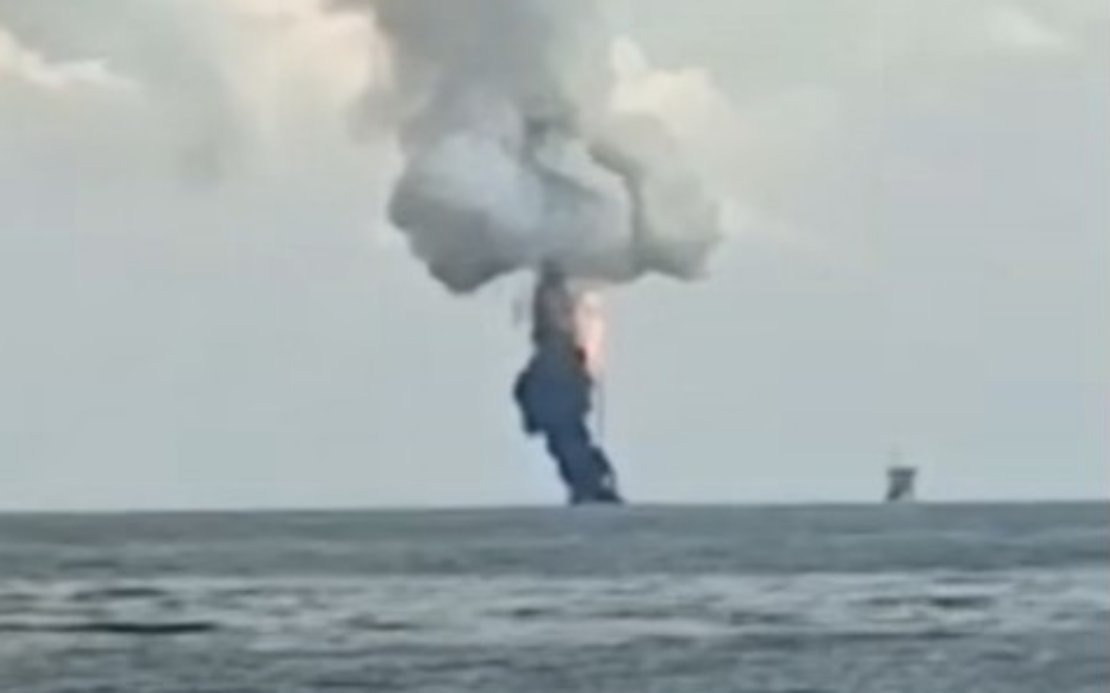
Vestigo Petroleum Sdn. Bhd., a subsidiary of Petronas Carigali, has confirmed that a fire erupted at approximately 2 pm on June 28 at its West Lutong Vent A (WLV-A) offshore platform situated in Sarawak waters. The company issued a formal statement on June 29 announcing that the incident had been successfully contained and that all necessary control measures were implemented promptly to prevent escalation.
According to Vestigo's official account, the situation was brought under control through coordinated response efforts, though the underlying cause of the fire remains under active investigation. The company is working in tandem with relevant government authorities and regulatory bodies to determine the exact circumstances that led to the incident. This collaborative approach reflects standard protocol for offshore incidents in Malaysian waters, where multiple agencies oversee operational safety and environmental protection.
A critical point underscored by Vestigo in its statement was the absence of any personnel injuries or health impacts resulting from the incident. The company confirmed that no workers were harmed and that existing safety protocols effectively protected all personnel on site. This outcome demonstrates the value of established safety procedures and emergency response drills that are mandatory on offshore facilities operating in Malaysian jurisdiction.
Beyond workplace safety, Vestigo emphasized that the fire posed no immediate threat to surrounding communities or the broader marine environment. This assertion carries particular significance for Sarawak, where offshore petroleum operations coexist with fishing communities and ecologically sensitive areas. The controlled nature of the incident and rapid containment appear to have prevented any secondary environmental damage or contamination of surrounding waters.
The incident gained notable public attention when video footage captured the moment of the fire went viral across social media platforms on June 28. This rapid dissemination of unverified imagery underscores the role digital networks play in shaping public perception of industrial incidents, particularly in sectors like oil and gas that carry inherent safety and environmental concerns. Companies operating in this space increasingly face the challenge of managing information flow during emergencies while official investigations proceed.
Vestigo's statement emphasized the company's unwavering commitment to personnel safety as a foundational operational principle. The organization reiterated that protecting workers remains paramount in all activities and decision-making processes. For multinational energy firms operating in Southeast Asia, such public reaffirmations of safety culture serve both as genuine operational priorities and as essential communications to stakeholders concerned about industrial risks.
Environmental stewardship featured prominently in the company's messaging, with Vestigo stressing its dedication to protecting the natural environment. This emphasis reflects growing expectations among Malaysian regulatory authorities and the public that energy companies maintain stringent environmental standards. Given Sarawak's significant petroleum reserves and the critical role oil and gas production plays in state revenues, balancing extraction activities with environmental protection remains a persistent challenge requiring ongoing scrutiny.
The maintenance of operational integrity was also highlighted as a priority moving forward. For Petronas Carigali and its subsidiaries, ensuring that platforms and systems continue functioning reliably is essential not only for production targets but also for demonstrating to regulators and investors that operational standards remain high despite incidents. The West Lutong field contributes meaningfully to Malaysian crude output, so resumption of normal operations following full investigation and remediation will be closely monitored.
The West Lutong Vent A facility is one of several operational platforms in Petronas Carigali's offshore Sarawak portfolio, which has been a cornerstone of the national oil company's production strategy for decades. These facilities extract and process hydrocarbons from mature fields that continue generating significant revenue for Malaysia. Understanding the circumstances of such incidents becomes important context for ongoing debates about the future energy mix and the continued role of fossil fuels in Southeast Asian economies.
Investigations into offshore incidents typically involve multiple parties including the operating company, government regulators such as the Malaysian Offshore Safety and Health (MOSH) division, and independent technical experts. The findings will be crucial in determining whether equipment failure, operational procedure lapses, or external factors contributed to the fire. Results will inform whether new safety directives or equipment upgrades are necessary across the Petronas Carigali fleet.
For Malaysian energy sector stakeholders, this incident represents another data point in the ongoing assessment of operational safety culture within the petroleum industry. While the controlled outcome and absence of injuries are positive indicators, the investigation phase will reveal whether systemic improvements are warranted. Transparency in releasing investigation findings will be important for maintaining public confidence in the regulatory framework governing offshore operations.

