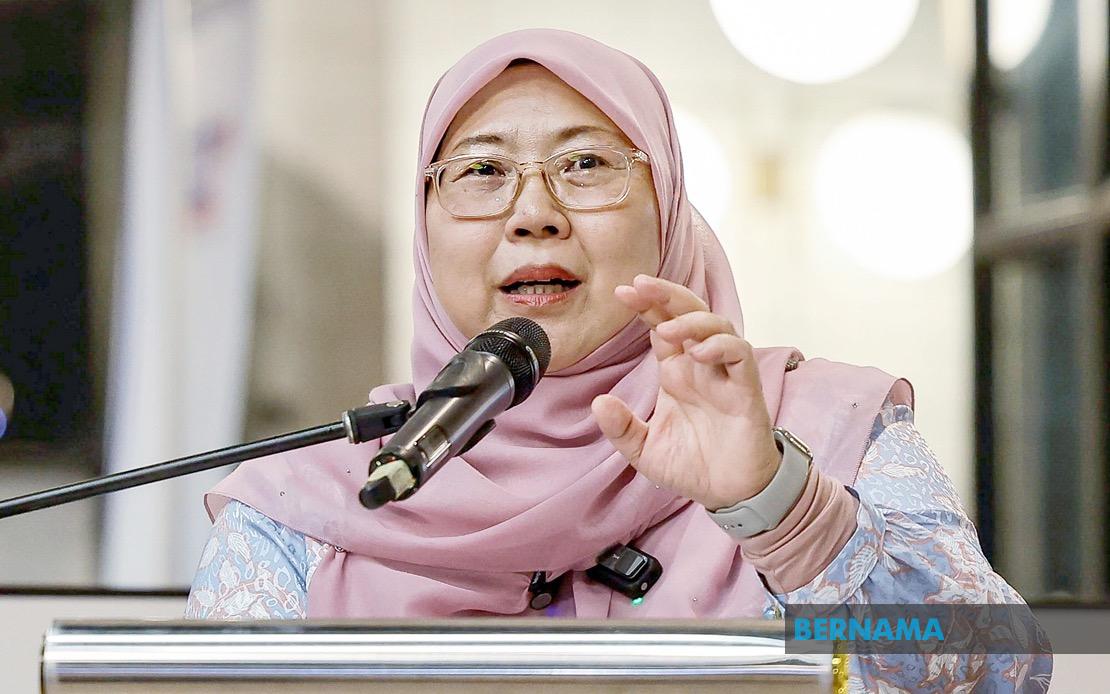
With the 16th Negeri Sembilan State Election moving swiftly toward the August 1 polling date, PKR and Pakatan Harapan have issued a measured statement acknowledging the political flexibility required when navigating multi-party coalition dynamics at the state level. Speaking in Seremban on Thursday, PKR secretary-general Datuk Dr Fuziah Salleh framed the coalition's approach as one balancing respect for individual party autonomy with commitment to collective goals, signalling a pragmatic approach to coalition management that may offer lessons for Malaysian politics more broadly.
The statement comes as the 36-seat Negeri Sembilan State Legislative Assembly prepares for polls following the dissolution announced on June 5. The Election Commission has confirmed early voting for July 28, with the main election scheduled for August 1. For Pakatan Harapan, holding or gaining ground in Negeri Sembilan represents a critical test of its ability to maintain control in a state where it has governed, while the broader coalition framework faces ongoing pressures from differing party interests and strategic calculations.
Fuziah, who serves as Deputy Domestic Trade and Cost of Living Minister in the federal government, emphasized that while parties retain the freedom to develop distinct campaign strategies suited to local conditions and party membership expectations, such decisions must ultimately serve the broader public interest. This distinction between tactical flexibility and principled governance reflects an attempt to navigate a recurring tension in Malaysian coalition politics: the need to accommodate diverse party interests without sacrificing coherent policy direction or appearing fractious to voters.
PKR's stated priorities for the Negeri Sembilan campaign centre on bread-and-butter issues that resonate across Malaysian constituencies: tackling the cost of living pressures that have intensified post-pandemic, creating genuine economic opportunities particularly for younger and lower-income voters, ensuring that development reaches all districts equitably rather than concentrating in urban areas, and maintaining the transparency and anti-corruption standards that formed part of Pakatan Harapan's original electoral appeal. These themes suggest the party is attempting to reclaim the reform narrative while addressing practical concerns that may have eroded support since the coalition's 2020 victory.
The acknowledgment that differing political strategies during state elections are normal and inevitable reflects a mature understanding of how Malaysian federalism actually operates. Political parties frequently calibrate their approaches differently across state contests based on local demographics, historical voting patterns, personality factors among candidates, and specific grievances unique to each state. What matters for coalition stability is whether these differences reflect tactical adaptation or deeper ideological fracture—a distinction Fuziah's comments attempt to establish clearly.
Negeri Sembilan holds particular significance within Malaysian politics partly because of its size and partly because of its demographic and economic composition. As a relatively smaller state with a population concentrated in areas like Seremban and Port Dickson, it reflects some characteristics of swing constituencies elsewhere in Malaysia, making it a potential bellwether for broader political sentiment. The state's economy combines traditional sectors with growing service industries, affecting which issues resonate most strongly with voters in different areas.
For Pakatan Harapan, the Negeri Sembilan election represents an opportunity to demonstrate that the coalition has learned from the organisational and messaging difficulties that contributed to its 2023 federal election underperformance. The coalition's internal cohesion remains fragile following high-profile disputes and defections in recent years, making visible unity in state contests essential for credibility. Fuziah's measured language—emphasizing discipline and focused effort—suggests party leadership views this election partly as an exercise in demonstrating coalition functionality to a sceptical electorate.
The broader context includes shifts in Malaysian voter behaviour that have become increasingly apparent over the past three election cycles. Voters increasingly split their ballots between federal and state contests, and they demonstrate declining patience with coalition partners who appear to prioritize factional interests over constituent welfare. In this environment, Pakatan Harapan's ability to present a united front on core issues while allowing tactical flexibility on secondary matters could determine whether the coalition retains power in Negeri Sembilan and maintains momentum heading toward the next general election.
PKR's positioning as a centrist reformist party within Pakatan Harapan means the party must balance appeals to its own membership and supporter base with broader coalition strategy. The party has traditionally drawn strength from urban, educated, and younger demographics concerned with governance quality and economic opportunity—constituencies whose engagement will be crucial for Pakatan Harapan's performance across multiple upcoming state elections. The Negeri Sembilan campaign therefore serves as a test of whether PKR can mobilize these voters while contributing to broader coalition victory.
Looking forward, the specific dynamics of the Negeri Sembilan contest will likely reveal much about internal coalition negotiations and the relative influence of different partners in decision-making. Results will inform how Pakatan Harapan approaches subsequent state elections in Terengganu, Kedah, and elsewhere, while also providing signals about whether voters remain willing to support the coalition or whether dissatisfaction with its governance or unity is deepening. For observers of Malaysian politics, this state election offers a window into how opposition coalitions function under pressure and adapt to electoral challenges.

