Parti Keadilan Rakyat's Melaka division is moving to announce its state election candidates substantially earlier than in previous cycles, a strategic shift aimed at allowing inexperienced contenders time to build grassroots connections and develop their campaign capabilities before polling day. The party's decision reflects lessons learned from past elections when compressed timelines have hampered candidate preparation and public visibility.
Adam Adli Abdul Halim, acting chairman of the Melaka PKR Leadership Council, explained that the compressed announcement schedules of previous campaigns had created unnecessary obstacles for aspiring representatives. By frontloading the selection process, the party believes it can remedy what has historically been a logistical constraint on candidate development. The approach also addresses internal party commitments regarding diversity and representation within its electoral slate.
The candidate vetting mechanism follows a hierarchical structure beginning at branch level before advancing to state-level scrutiny. Once state assessments conclude, nominations move to the central party apparatus where President Anwar Ibrahim's leadership makes final determinations. This multi-stage filtering system, while potentially lengthier, is designed to ensure rigorous evaluation of contenders' suitability and alignment with party values.
A central motivation driving the earlier timeline centres on PKR's determination to field substantially more new candidates than previously attempted. This generational refresh carries inherent risks—untested political novices require considerably more preparatory work than seasoned campaigners accustomed to electoral combat. Early announcement allows these fresh faces to establish community presence, refine messaging, and construct local networks before the formal campaign period begins, potentially improving their performance metrics against established opponents.
Gender and age balance represents another key consideration shaping PKR Melaka's accelerated schedule. Contemporary Malaysian political discourse increasingly emphasises inclusive representation reflecting women's participation and youth engagement in democratic processes. Achieving meaningful proportions of female and younger candidates demands deliberate planning and sufficient lead time to identify, assess, and prepare such candidates for public scrutiny. The party recognises that rushing this process would undermine these diversity objectives.
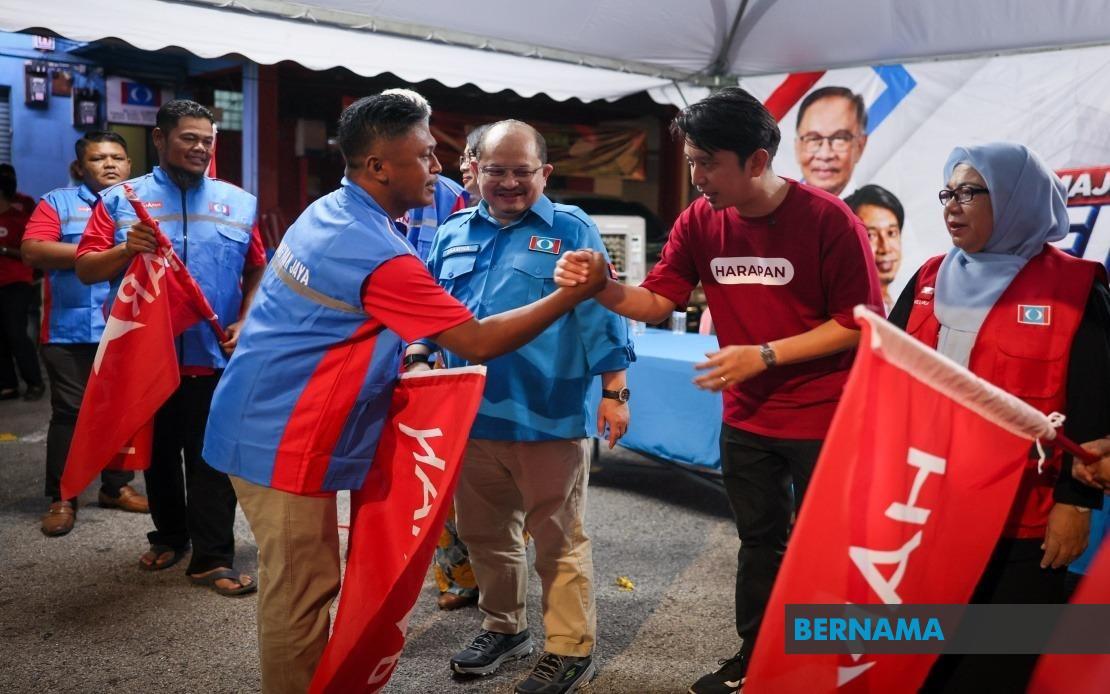
Adam Adli, simultaneously serving as Deputy Minister of Higher Education, articulated that organisational readiness takes precedence over individual candidate selection announcements. PKR Melaka is simultaneously conducting a series of machinery launches across Tangga Batu, Hang Tuah Jaya, Alor Gajah, Masjid Tanah, and Jasin constituencies. These events establish operational infrastructure—volunteer recruitment, local coordination networks, and grassroots engagement frameworks—that will function regardless of which specific individuals ultimately receive candidacies. A robust electoral apparatus can effectively deploy any candidate, whereas a weak machine handicaps even strong contenders.
This emphasis on machinery over personalities reflects professional campaign management principles increasingly adopted by Malaysian political organisations. Rather than building campaigns around individual stars, contemporary political strategy focuses on constructing durable local organisations capable of sustained voter mobilisation. For PKR Melaka, this means ensuring branch-level infrastructure is operational and functional before announcing candidates who will ultimately depend on these support structures.
Coalition politics significantly complicates PKR's electoral calculus in Melaka. Informal discussions between Pakatan Harapan and Barisan Nasional have commenced, though substantive negotiations determining cooperation frameworks remain pending. Datuk Seri Amirudin Shari, PH's election director, has contacted Melaka Chief Minister Datuk Seri Ab Rauf Yusof to arrange formal talks. These conversations carry profound implications for candidate strategy, as cooperation arrangements might involve seat-sharing agreements or mutual non-contention arrangements in designated constituencies.
Adam Adli characterised the inter-coalition dialogue as serving multiple purposes beyond purely tactical considerations. Communication between major political blocs, his statement suggested, contributes to elevating electoral culture and reducing the incidence of acrimonious campaigning characterised by personal attacks and institutional delegitimisation. More constructive engagement between PH and BN could theoretically model democratic behaviour for lower-tier campaigns and reduce polarisation intensity during the polling period.
However, PKR Melaka has not subordinated its strategic autonomy to coalition negotiations. The party retains contingency planning for contesting independently should discussions with Barisan Nasional conclude without agreement. This dual-track approach—simultaneously preparing for cooperation while maintaining unilateral campaign readiness—maximises PKR's flexibility and reduces vulnerability to unfavourable negotiating outcomes. Parties unable to walk away from coalition arrangements typically concede significant ground during bargaining.
For Malaysian political observers, PKR Melaka's candidate announcement acceleration represents broader trends within the country's electoral landscape. As campaigns professionalise and become increasingly resource-intensive, earlier timelines allow volunteer mobilisation, candidate training programmes, and digital campaign construction to receive adequate attention. This represents the gradual maturation of Malaysian political campaigning from last-minute improvisation toward systematic preparation.
The state election remains undeclared, with timing contingent on factors including Melaka state assembly stability, federal political calculations, and potential institutional developments. Nevertheless, PKR's preparatory measures indicate the party's expectation that polling will occur within reasonable timeframes. By commencing selection processes and machinery activation now, PKR Melaka positions itself to respond immediately once the election is formally announced, potentially capturing momentum during the crucial early campaign phase when voter attention and media saturation first crystallise.

