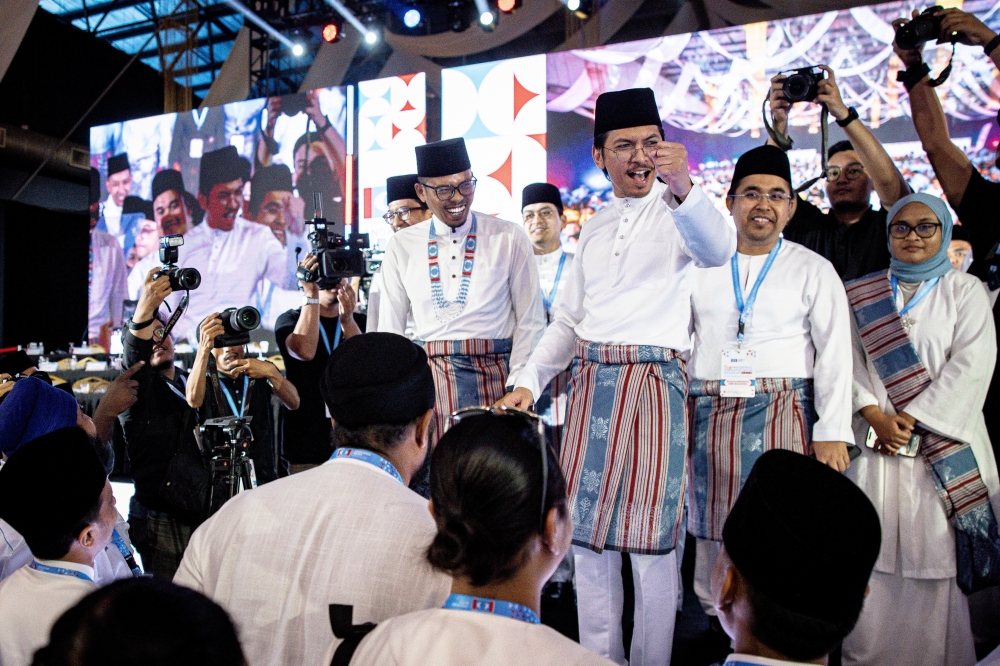
PKR Youth has endorsed Prime Minister Datuk Seri Anwar Ibrahim's pledge to dismantle the Universities and University Colleges Act, positioning the youth wing as a catalyst for broader educational transformation in Malaysia. The endorsement, announced in Kuala Lumpur on Thursday, reflects growing momentum within the ruling coalition to address longstanding grievances about restrictions on student activism and academic freedom that have been embedded in the legislation for decades.
The Universities and University Colleges Act, commonly referred to as UUCA, has long been a flashpoint for civil liberties advocates and student organisations who argue that its provisions severely constrain free speech and democratic participation on campus. By backing the repeal, PKR Youth is signalling that the party recognises the need to modernise governance structures within higher education institutions and align them with contemporary democratic principles. This positioning is particularly significant given that Anwar Ibrahim's administration has campaigned on promises of institutional reform and greater freedoms across Malaysian society.
PKR Youth's statement goes beyond mere institutional support by explicitly calling on students themselves to assume a more active role in shaping the legislative and policy agenda. The youth wing has urged campus populations to articulate their demands and mobilise around educational reforms that extend well beyond the repeal of UUCA. This framing places student agency at the centre of the reform narrative, suggesting that young Malaysians should not passively await government action but instead become the driving force for change within tertiary institutions.
The significance of this move cannot be separated from the political context in which it occurs. Higher education policy has become increasingly central to coalition-building discussions, particularly as the government navigates competing pressures from different constituencies. By vocally supporting UUCA repeal, PKR Youth is attempting to consolidate support among younger voters and students who have historically felt marginalised by restrictive campus policies. This demographic consideration carries weight as Malaysia's political landscape continues to evolve and generational concerns increasingly shape electoral calculations.
The UUCA itself dates back to 1971 and contains provisions that prohibit student involvement in partisan politics, restrict freedom of assembly, and grant university authorities broad powers to discipline students for perceived political activities. Critics argue that these restrictions have created an environment where students are discouraged from engaging with civic issues and developing the critical thinking skills necessary for informed citizenship. The legislation has been the subject of numerous calls for reform from human rights organisations, student coalitions, and academic freedom advocates over the years, making its repeal a long-standing demand rather than a novel proposal.
PKR Youth's advocacy for wider reforms signals an understanding that simply removing UUCA would address only one dimension of broader challenges facing Malaysian higher education. The statement implicitly acknowledges that institutional autonomy, academic freedom, quality of education, and equitable access to tertiary learning all require simultaneous attention. By framing UUCA repeal as part of a comprehensive agenda, the youth wing is positioning educational transformation as a systemic endeavour rather than a single legislative fix.
The timing of this announcement reflects ongoing discussions within government about the legislative calendar and prioritisation of reforms. While the commitment to repeal UUCA has been made at the highest political level, the actual mechanics of legislative change require navigating parliamentary procedures and potentially managing resistance from conservative quarters. PKR Youth's public backing adds grassroots pressure and demonstrates that there is significant demand within the ruling coalition's support base for decisive action on this issue.
For Malaysian students and campus communities, the endorsement from PKR Youth represents a tangible signal that portions of the governing establishment recognise the need to facilitate greater student voice in institutional matters. However, the call for students to speak up also carries an implicit expectation that young people will move beyond abstract principles and translate support for reform into concrete engagement with the legislative process and campus governance structures. This places responsibility on student organisations and campus leaders to coordinate effective advocacy campaigns.
The intersection of PKR Youth's support with Anwar Ibrahim's executive commitment creates a two-pronged dynamic where both grassroots and institutional pressure can theoretically work in tandem. When opposition from entrenched interests or bureaucratic inertia inevitably surfaces during the legislative process, the existence of demonstrated student and youth coalition support provides a political cushion for reformist policymakers. This dynamic has proven effective in other contexts where significant legislative change was achieved through coordinated pressure from multiple institutional and grassroots actors.
For the Southeast Asian region more broadly, Malaysia's potential UUCA repeal carries symbolic and practical significance. Several other countries in the region maintain similar or even more restrictive legislation governing student political activity on campuses. The successful removal of UUCA could establish a precedent and provide a policy model that civil society advocates in neighbouring nations can reference when pushing their own governments toward liberalisation of higher education governance.
The broader implications extend to questions about how Malaysia balances security concerns, institutional stability, and democratic participation. Supporters of UUCA repeal argue that the legislation reflects outdated assumptions about the threats posed by student activism and that modern approaches to campus governance can accommodate both institutional autonomy and student voice. This philosophical shift, if enacted, would represent a meaningful recalibration of how the state perceives its relationship with student populations.
As the reform agenda moves forward, the attention of civil society organisations, international observers, and students themselves will remain fixed on whether the political commitment translates into actual legislative action. The effectiveness of PKR Youth's call for student mobilisation will ultimately depend on whether campus communities can channel enthusiasm into sustained organising that maintains pressure throughout the legislative process. The coming months will reveal whether the convergence of elite support and grassroots demand proves sufficient to overcome institutional resistance.

