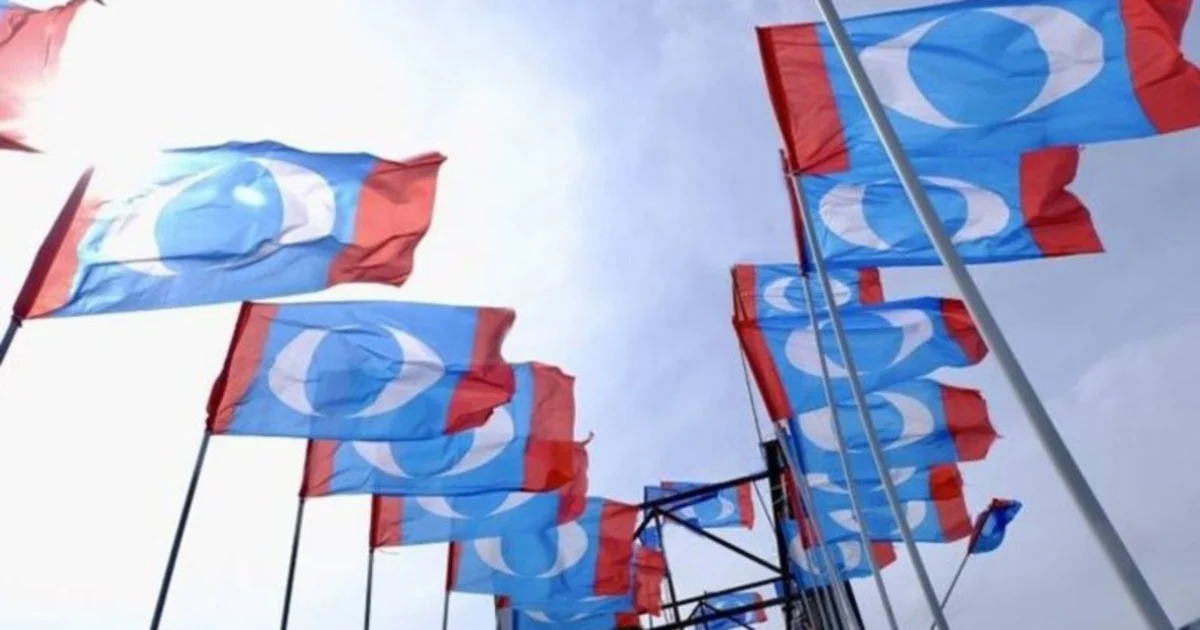
Datuk Dr Fuziah Salleh, the party secretary-general of Parti Keadilan Rakyat, announced that preparations for the upcoming Johor and Negri Sembilan state elections are in their final stages. Speaking in Johor Baru, she revealed that the People's Justice Party has completed 99 per cent of its candidate nomination process for these two crucial regional contests, signalling that the party is moving swiftly towards formalising its electoral machinery.
The near-completion of PKR's candidate roster represents a significant milestone in the party's electoral preparations, particularly as state-level competitions have become increasingly important in Malaysia's political landscape. With the list essentially locked in at this advanced stage, PKR is positioning itself to mount a coordinated campaign across two separate electoral theatres simultaneously. This dual-front engagement reflects the party's ambitions to consolidate and expand its parliamentary and state-level influence across the peninsula's southern and central regions.
Johor and Negri Sembilan represent strategically different political environments for PKR. Johor, as the nation's second-largest state by population and a traditional stronghold of the Barisan Nasional, presents a more challenging terrain for the opposition-aligned party. In contrast, Negri Sembilan has demonstrated greater receptiveness to PKR's political messaging in recent years. The near-completion of candidate lists in both states underscores the party's commitment to fielding competitive and representative slates despite these differing political dynamics.
The timing of Fuziah's announcement comes at a juncture when Malaysian political parties are intensifying their ground operations ahead of what observers anticipate could be significant electoral contests. The finalisation of candidate lists allows parties to shift focus towards campaign strategy, resource allocation, and voter mobilisation. For PKR specifically, locking in its nominees enables the party to begin sustained messaging and coalition-building efforts with its allies in the Pakatan Harapan coalition.
Candidacy decisions in Malaysia's state elections carry substantial implications beyond individual electoral districts. The composition of a party's slate reveals strategic priorities, demographic considerations, and internal factional balances. PKR's near-completion of this process suggests the party has successfully navigated internal deliberations regarding seat allocation, candidate merit, and representation of diverse communities—challenges that have occasionally created tensions within Malaysian political parties during selection cycles.
The 99 per cent completion figure specifically merits attention, as it indicates that only minimal fine-tuning remains. This could involve resolving last-minute candidate withdrawals, addressing unexpected personal circumstances, or making final adjustments to ensure geographical and demographic balance. Such precision in the final stages typically reflects careful planning and coordination at the party machinery level, reducing the likelihood of eleventh-hour disruptions that could undermine campaign momentum.
For Malaysian voters in these states, the imminent formalisation of candidate lists marks an important transition in the electoral calendar. Once nominees are officially registered, campaigns can intensify across all constituencies, allowing voters to evaluate their choices with greater clarity. The completion of PKR's selection process also pressurises other major contenders—whether from Barisan Nasional, Perikatan Nasional, or other opposition groups—to accelerate their own nomination finalisation if they have not already done so.
The significance of these state elections extends beyond their immediate electoral outcomes. Malaysia's political trajectory increasingly depends on how major coalitions perform at the state level, where they can demonstrate governance capacity and regional development vision. PKR's systematic preparation for Johor and Negri Sembilan suggests the party is serious about translating its parliamentary ambitions into state-level power consolidation, a strategy that has proven crucial for other major political actors in Malaysia's competitive electoral environment.
Fuziah's announcement also carries implications for PKR's position within Pakatan Harapan. By moving decisively through candidate selection, PKR signals to coalition partners and stakeholders that it is prepared for electoral competition and unlikely to allow internal wrangling to delay campaign mobilisation. This organisational clarity can strengthen its negotiating position within broader opposition alliances and demonstrate to voters that the party possesses the institutional discipline necessary for effective governance.
As the election timeline becomes increasingly concrete with candidate lists nearing formalisation, all stakeholders—party machinery, candidates, coalition allies, and voting constituencies—enter a more determined phase of electoral engagement. PKR's 99 per cent completion benchmark indicates the party is well-positioned to launch comprehensive campaigns across Johor and Negri Sembilan, attempting to translate local grievances and national political momentum into electoral gains that could reshape the political balance in these two important states.

