%22%2F%3E%3C%2Fpattern%3E%3C%2Fdefs%3E%3Crect%20width%3D%22100%25%22%20height%3D%22100%25%22%20fill%3D%22url(%23ph52ea7g)%22%2F%3E%3Crect%20width%3D%22100%25%22%20height%3D%22100%25%22%20fill%3D%22url(%23ph52ea7p)%22%2F%3E%3Ctext%20x%3D%2250%25%22%20y%3D%2250%25%22%20text-anchor%3D%22middle%22%20dominant-baseline%3D%22central%22%20fill%3D%22rgba(255%2C255%2C255%2C0.95)%22%20font-family%3D%22Georgia%2C%20'Times%20New%20Roman'%2C%20serif%22%20font-weight%3D%22700%22%20font-size%3D%22320%22%20letter-spacing%3D%22-0.02em%22%3EPM%3C%2Ftext%3E%3C%2Fsvg%3E)
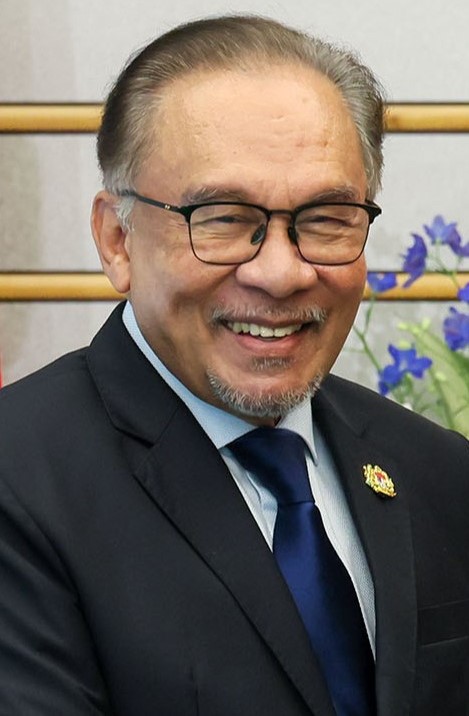
Prime Minister Anwar Ibrahim engaged with international media representatives in Kazan on June 17, addressing the multifaceted relationship between Asean and Russia while tackling pressing global concerns ranging from energy security to humanitarian issues and cultural diplomacy. The discussions underscore Malaysia's commitment to maintaining balanced regional partnerships and fostering dialogue across traditionally divided blocs during a period of heightened international tension.
The Prime Minister's engagement in Kazan reflects a deliberate diplomatic strategy to strengthen ties between Southeast Asia's regional grouping and Russia, a major player in global affairs. Rather than adopting a rigid stance aligned solely with Western or Eastern interests, Malaysia has positioned itself as a bridge-builder, emphasising the importance of dialogue and cooperation across geopolitical divides. This approach aligns with Asean's foundational principle of non-alignment and its commitment to maintaining open channels of communication with all major powers.
Energy security emerged as a central theme in the discussions, highlighting the interconnected nature of regional stability and resource management. Russia remains a significant energy supplier to global markets, and Southeast Asia's growing energy demands necessitate stable, predictable supply chains. For Malaysia specifically, which has energy interests and investments across the region, maintaining cooperative relationships with major suppliers and transit nations is crucial for economic resilience. The conversation reflects broader concerns about ensuring that energy supplies are not weaponised in geopolitical disputes, a concern particularly acute for developing economies dependent on affordable energy imports.
Cultural and humanitarian dimensions featured prominently in the Prime Minister's engagement, demonstrating that state relations extend beyond transactional economic interests. Russian literature, with its profound influence on global thought and intellectual traditions, represents a avenue for people-to-people connections that transcend political differences. By highlighting cultural commonalities and shared humanitarian values, the discussions suggested that cooperation need not await resolution of contentious political issues but can proceed in parallel, building mutual understanding and respect among diverse populations.
The timing of these discussions in Kazan carries particular significance for Southeast Asian observers. Russia's position in global affairs remains contested and contested, with various nations adopting different approaches to engagement. Asean's emphasis on dialogue and inclusivity stands in contrast to more confrontational stances adopted elsewhere, positioning the regional group as a stabilising force in international relations. Malaysia's active participation in these conversations reinforces Asean's relevance and demonstrates the bloc's determination to remain a principal architect of its own diplomatic direction.
The Prime Minister's media engagement served multiple purposes beyond the immediate bilateral conversations. By publicly addressing international media, Anwar Ibrahim communicated Malaysia's foreign policy priorities to a global audience while signalling to regional partners the importance of maintaining pragmatic relationships regardless of geopolitical alignments. This transparent approach to diplomacy builds confidence among Asean members that Malaysia continues to champion the association's core principle of non-interference in internal affairs while pursuing mutually beneficial partnerships.
For Malaysian stakeholders, the discussions hold implications across several sectors. Economic entities involved in trade, investment, and energy sectors benefit from clarified diplomatic frameworks that reduce uncertainty in bilateral relations. The emphasis on energy security directly impacts Malaysia's domestic energy policies and infrastructure planning, as regional stability and cooperation mechanisms influence pricing, supply reliability, and investment confidence. Furthermore, cultural and educational exchanges resulting from strengthened ties create opportunities for Malaysian scholars, students, and cultural practitioners to engage with Russian institutions and audiences.
The broader Southeast Asian context amplifies the significance of these discussions. As the region navigates tensions between major powers competing for influence and strategic advantage, Asean's collective voice advocating for dialogue and cooperation provides a crucial counterbalance to zero-sum thinking. The presence of Malaysian leadership in these conversations signals Asean's active participation in shaping the international environment rather than passively accepting arrangements determined elsewhere. This approach strengthens the regional group's negotiating position on issues ranging from maritime security to economic integration.
Looking forward, the groundwork laid through these discussions suggests potential expansion of concrete cooperation mechanisms between Asean and Russia. Beyond diplomatic pleasantries, substantive partnerships in energy, trade, scientific research, and cultural exchange could materialise through sustained engagement. For Malaysia, positioned as a leading Southeast Asian economy with growing technological and creative sectors, opportunities emerge for collaboration that leverages both nations' comparative advantages while contributing to regional prosperity and stability.
The Prime Minister's visit and media engagement also addressed a critical need in contemporary diplomacy: humanising international relations and building empathy across divides. In an era of increasing polarisation and competing narratives, direct communication between leaders and media representatives from diverse backgrounds helps counter misinformation and promotes nuanced understanding of complex issues. By discussing not merely strategic calculations but also cultural richness and humanitarian concerns, the discussions demonstrated that international relations need not be reduced to power politics alone.