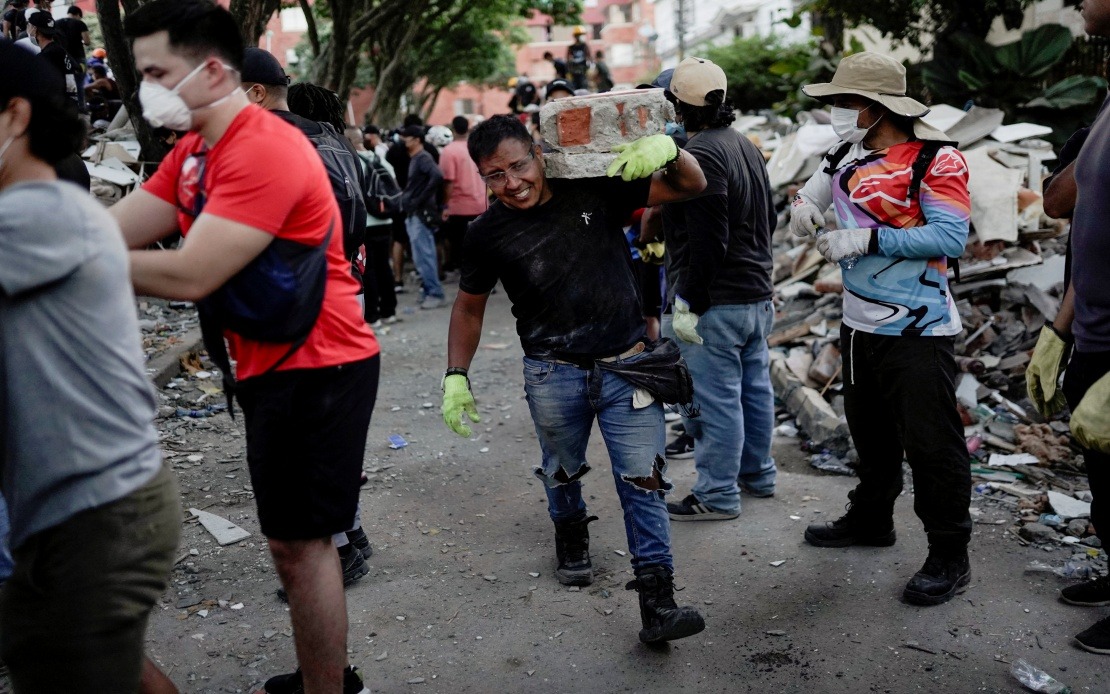
Prime Minister Datuk Seri Anwar Ibrahim has conveyed Malaysia's heartfelt condolences to the families of victims caught in the devastating earthquake that struck western Colombia on Monday, reaffirming the nation's commitment to standing alongside the Colombian people during this humanitarian crisis. The powerful 7.4-magnitude tremor, described as the most significant seismic event to affect Colombia in recent decades, has claimed more than 100 lives and left widespread destruction across several major cities in the western region.
In a statement posted on Facebook, Anwar articulated Malaysia's position as a responsible member of the global community, emphasizing that the Government and people of Malaysia extend their deepest sympathies to those who have suffered losses and displacement. The Prime Minister's swift response reflects Malaysia's diplomatic approach to international crises, acknowledging both the immediate human tragedy and the broader implications for regional and global stability. His remarks underscore the importance of international cooperation and mutual support during natural disasters, a principle particularly resonant across Southeast Asia, where countries regularly face seismic and meteorological challenges.
The earthquake's epicentre was located in the Chocó region, with severe impacts recorded in major urban centres including Cali, Pereira, and Manizales. The geographic distribution of damage underscores the earthquake's considerable magnitude and the challenges facing Colombian authorities in coordinating emergency response across multiple affected zones. For Malaysian observers familiar with the nation's own experience managing natural disasters, the scale of coordination required becomes immediately apparent—rescue operations, medical triage, and logistics all demand rapid mobilization across vast distances.
Anwar specifically acknowledged the extraordinary efforts of rescue workers and volunteers who continue searching for survivors in the aftermath of the initial quake, despite the ongoing threat posed by powerful aftershocks. This recognition carries particular significance, as it validates the often-overlooked work of first responders and community volunteers whose dedication frequently operates under dangerous and uncertain conditions. The continued risk from aftershocks adds a layer of complexity to rescue operations, as teams must balance urgency with the safety of their own personnel.
The Prime Minister's expression of hope for the swift recovery of injured persons and the safe location of missing individuals reflects the human-centred approach that characterizes contemporary international diplomatic discourse. Beyond ceremonial condolences, such statements signal Malaysia's willingness to consider offering humanitarian assistance should the Colombian government request support. For Southeast Asian nations, Colombian earthquake relief could potentially involve coordination through established disaster-response networks and international bodies to which Malaysia contributes resources and expertise.
The earthquake's classification as the most powerful to strike Colombia in decades places it within the broader context of seismic activity affecting the Pacific Ring of Fire region. Colombia's geographical position along the Pacific coast exposes it to considerable tectonic risk, a reality that distinguishes its disaster-preparedness challenges from those faced by Malaysia, which sits outside major subduction zones. However, both nations share experience in managing rapid-onset natural disasters and coordinating recovery efforts across affected communities.
Anwar's statement also positioned Malaysia within the international consensus regarding Colombia's resilience and recovery prospects. By invoking collective international support, the Prime Minister reinforced Malaysia's identity as a constructive participant in global affairs, particularly in humanitarian contexts. This diplomatic positioning strengthens bilateral relations with Colombia while demonstrating Malaysia's commitment to principles of international solidarity that extend beyond trade and geopolitical interests.
The timing and substance of Malaysia's response reflect established protocols within the ASEAN framework and broader United Nations principles governing international humanitarian assistance. Prime ministerial statements on such occasions serve multiple functions: they offer immediate comfort to grieving populations, signal governmental readiness to provide material support if needed, and reinforce the idea that the international community acknowledges suffering and stands prepared to assist. For Malaysian readers, such gestures also illustrate how their nation maintains engagement across diverse global regions beyond Southeast Asia.
The earthquake's devastating impact on Colombia arrives amid growing international awareness of seismic vulnerability in the Americas. While Indonesia and the Philippines dominate media coverage of earthquake risks within Southeast Asia, Colombia's experience serves as a reminder that vulnerability to natural disasters transcends geographic regions and development levels. Malaysia's acknowledgment of this universal challenge, through Anwar's carefully calibrated response, reflects mature recognition that disaster preparedness and response constitute shared global concerns requiring continuous investment in infrastructure, training, and international cooperation mechanisms.
Looking forward, the extent and nature of Malaysia's potential humanitarian contribution will depend on assessed needs and Colombian government requests. Historical precedent suggests that ASEAN nations often coordinate responses through regional mechanisms, allowing Malaysian expertise in disaster management and medical support to be deployed efficiently. For the Colombian people, international expressions of solidarity provide both practical reassurance of potential assistance and emotional acknowledgment of their suffering, elements that prove invaluable during the traumatic period immediately following major natural disasters.

