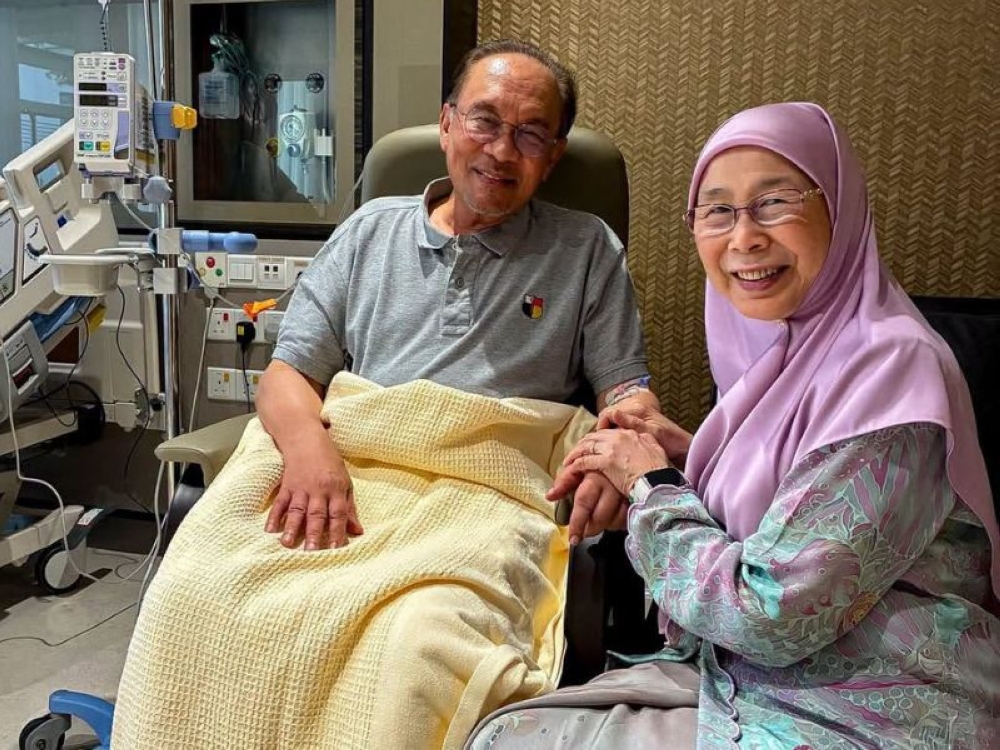
Prime Minister Datuk Seri Anwar Ibrahim is anticipated to leave hospital and return home today after undergoing surgery to address a hernia condition, according to a statement from his spouse. The announcement comes after the PM underwent the medical procedure at a private healthcare facility, with recovery progressing as expected in the post-operative period.
Anwar's wife provided the update regarding the expected discharge timing, signalling that the initial phase of his recovery is proceeding smoothly. The procedure, which dealt with the hernia issue, was conducted by medical specialists, and the Prime Minister has been receiving appropriate post-operative care throughout his hospital stay. The relatively brief hospitalisation suggests the surgery was not considered complex or high-risk.
The timing of Anwar's discharge comes amid Malaysia's ongoing political and economic commitments. As the head of government, his return to the official residence marks an important milestone in his recovery process, though the full resumption of his complete schedule may occur gradually over the coming days. The Prime Minister's health matters often carry implications beyond personal wellbeing, given the demands and responsibilities attached to the highest executive office.
From a constitutional perspective, Malaysia's government apparatus has continued functioning during Anwar's medical procedure, with ministerial colleagues managing current affairs and pressing matters. Deputy Prime Minister Datuk Seri Ahmad Zahid Hamidi and other cabinet members have been handling routine governance, demonstrating the institutional continuity that exists within the federal administration even when the Prime Minister requires medical attention.
The hernia condition and its surgical treatment reflect common health challenges that can affect individuals regardless of age or position, though the recovery timeline and medical attention available to a sitting Prime Minister typically differ from the average Malaysian's experience. Hernia procedures, depending on their complexity and the surgical approach employed, generally allow patients to resume normal activities within a few weeks, though strenuous activity may require longer restriction periods.
Anwar's health situation underscores the demanding nature of Malaysia's top political office, which requires sustained physical and mental stamina given the extensive schedule of state functions, diplomatic engagements, parliamentary sessions, and ministerial meetings. The Prime Minister's ability to maintain public confidence often depends partly on demonstrating robust health and full capacity to handle the responsibilities of the position.
For the broader Malaysian public and international observers, updates regarding Anwar's condition are significant given his role in managing the country's economic recovery, strategic foreign policy initiatives, and domestic political stability. Any disruption to executive authority, even temporary, can have ripple effects across financial markets and investor confidence, though the brief nature of this hospitalisation minimises such concerns.
From a medical standpoint, the successful completion of hernia surgery and discharge within what appears to be a standard timeframe suggests that post-operative complications have not developed. Modern surgical techniques and the availability of advanced healthcare facilities in Malaysia's private sector generally provide patients with relatively quick recovery trajectories, particularly when the procedure is performed preventatively or at early stages.
The Prime Minister's anticipated return home also marks a transition period where he will likely follow medical advice regarding activity levels, dietary considerations, and wound care. While Anwar may begin attending to lighter administrative matters remotely from his residence, his full engagement with the intensive schedule of state functions may resume gradually over subsequent days.
On the political front, the timing of Anwar's recovery does not coincide with any major legislative sessions or critical government deadlines that require immediate Prime Ministerial presence, allowing for a measured return to full operational capacity. This fortunate alignment reduces potential complications arising from the need to conduct urgent state business during active recovery.
Regionally, Malaysia's political stability remains reassuring to neighbouring Southeast Asian nations and trading partners, as any indication of governmental uncertainty can influence diplomatic relations and economic cooperation frameworks. The routine nature of handling the Prime Minister's medical absence demonstrates the institutional maturity of Malaysia's governance systems.
Anwar's successful procedure also reinforces the importance of healthcare access and early medical intervention, principles that align with Malaysia's broader public health messaging. The Prime Minister's willingness to address health concerns proactively serves as an implicit endorsement of the medical system and regular health monitoring practices that the government encourages among the general population.

