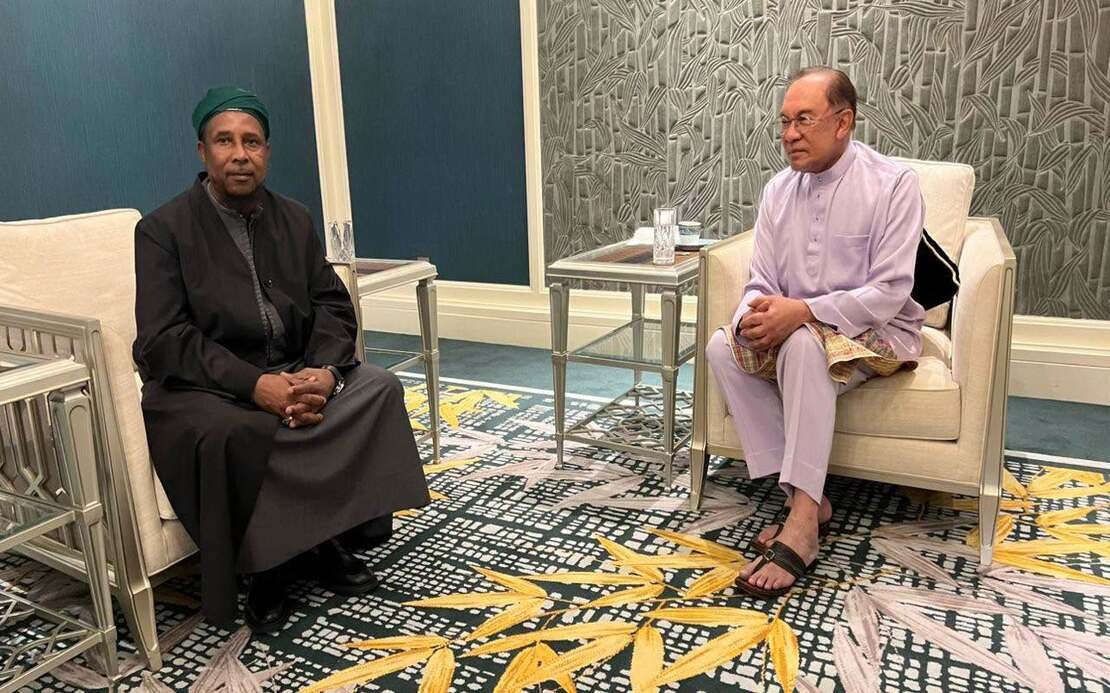
Prime Minister Datuk Seri Anwar Ibrahim on June 26 hosted a farewell gathering with Gambian Islamic scholar Sheikh Muhammad Haydara Al-Jilani, marking the conclusion of an intensive month-long visit during which the respected religious figure conducted educational and spiritual programmes throughout Malaysia. The encounter took on added significance as it occurred on the Day of Ashura, a date of considerable importance within the Islamic calendar that fell on a Friday, lending the occasion an auspicious spiritual dimension.
The Prime Minister used the occasion to reflect on the value of cross-cultural and inter-faith engagement through religious scholarship. In remarks posted on his official Facebook page, Anwar highlighted how the visiting scholar had facilitated knowledge-sharing and dhikr gatherings—communal worship sessions centred on remembrance of Allah—at numerous venues across the nation. This type of exchange underscores Malaysia's positioning as a destination for Islamic learning and a hub for interfaith dialogue within Southeast Asia, reinforcing the country's soft power in religious and educational spheres.
During their meeting, Anwar requested that Sheikh Muhammad Haydara Al-Jilani offer special prayers for Malaysia's continued prosperity, national peace, and the comprehensive well-being of all Malaysians. The Prime Minister's emphasis on seeking blessings and divine protection reflects the deeper spiritual dimension that often characterises diplomatic and cultural exchanges in Malaysia, where Islamic principles and values are interwoven with governance and international relations. This approach resonates with the government's broader agenda of promoting Islamic moderation and scholarly discourse as cornerstones of national identity.
Sheikh Muhammad Haydara Al-Jilani's visit represented a structured dakwah programme—Islamic outreach and educational mission—that extended beyond Kuala Lumpur to multiple locations nationwide. The breadth of this tour demonstrates the significant interest in scholarly Islamic teaching across Malaysia's diverse regions, and the strategic importance placed by religious and government institutions on hosting prominent international Islamic figures. Such programmes serve to elevate Malaysia's standing within global Islamic intellectual circles while providing local Muslim communities with exposure to contemporary Islamic thought and practice.
The timing of the farewell meeting, coinciding with the Day of Ashura, amplified its symbolic resonance. This commemorative occasion holds profound spiritual meaning in Islamic tradition, and its alignment with a Friday—the Islamic holy day—created what the Prime Minister characterised as a particularly blessed moment for seeking divine intervention on behalf of the nation. The layering of these religious observances illustrated how Malaysia integrates its Islamic heritage with formal diplomatic protocols, creating moments of profound cultural and spiritual significance.
The scholar's month-long presence in Malaysia reflects the growing appetite among Malaysian Islamic institutions and communities for engaging with prominent international religious thinkers. Such visits facilitate the exchange of religious interpretations, scholarly perspectives, and spiritual practices, contributing to the intellectual vitality of Malaysia's Islamic community. The structured nature of the tour, with gatherings at selected venues nationwide, suggests careful coordination between government bodies, religious organisations, and local communities to maximise the reach and impact of the scholar's teachings.
For Malaysia's positioning in the region and beyond, hosting international Islamic scholars serves multiple strategic purposes. It elevates the country's credentials as a centre for Islamic learning in Southeast Asia, attracts religious tourism, and demonstrates the government's commitment to facilitating quality Islamic education. Simultaneously, it provides opportunities for Malaysian scholars and practitioners to engage directly with respected international figures, enriching local intellectual discourse and strengthening transnational networks of Islamic thought.
The Prime Minister's public acknowledgment of this farewell visit through his social media platform underscores the significance attached to such cultural exchanges at the highest levels of government. By emphasising the prayers offered for national prosperity and peace, Anwar framed the interaction not merely as a courtesy visit but as a moment charged with spiritual purpose and national importance. This approach reflects a governing philosophy that recognises the role of religious scholars and spiritual leadership in contributing to national cohesion and development.
The departure of Sheikh Muhammad Haydara Al-Jilani concludes a notable chapter in Malaysia's ongoing efforts to position itself as a beacon for Islamic scholarship and moderate Islamic practice in a complex geopolitical landscape. The reception of such internationally recognised figures, and the elaborate coordination of their educational programmes across the country, demonstrates Malaysia's commitment to fostering a vibrant Islamic intellectual ecosystem. As the scholar returns to the Gambia, the networks and relationships forged during his visit will likely contribute to enduring scholarly exchanges and cultural ties between Malaysia and West Africa's Islamic communities.
Looking forward, such engagements are likely to remain a cornerstone of Malaysia's cultural diplomacy strategy, particularly as the country navigates questions of national identity, religious interpretation, and its role as a moderate Islamic voice within Southeast Asia and globally. The successful hosting of prominent religious figures, and the integration of their visits with official government ceremonies and public acknowledgment, reflects a deliberate strategy to harness soft power through religious and educational channels.

