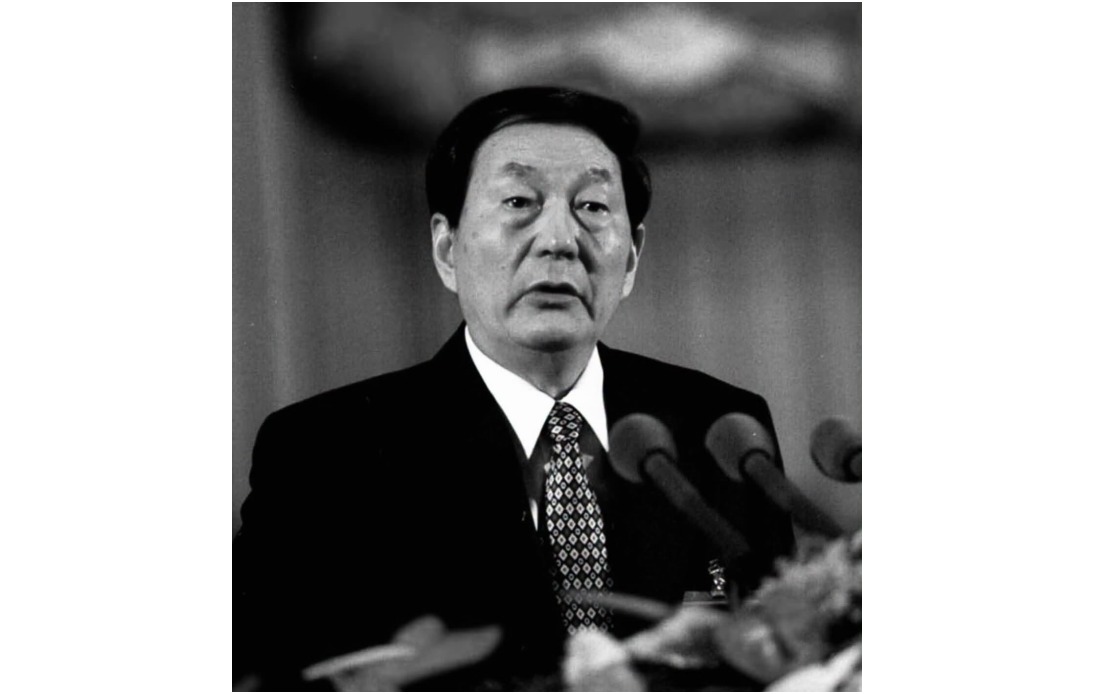
Prime Minister Datuk Seri Anwar Ibrahim has paid tribute to former Chinese Premier Zhu Rongji following his death at age 97, describing the late statesman as one of the architects of modern China's economic ascendancy and a trusted colleague with whom he shared a long personal and professional relationship. In a statement released on social media, Anwar reflected on Zhu's monumental contributions to reshaping China's economy during a transformative period for the nation.
Zhu's tenure as Premier from 1998 to 2003 marked a pivotal chapter in China's development trajectory. During his leadership, he championed sweeping market-oriented reforms that fundamentally altered the country's economic structure, oversaw the comprehensive restructuring of state-owned enterprises to improve efficiency and competitiveness, and navigated China's entry into the World Trade Organisation—a milestone that opened the nation to global commerce and positioned it for decades of rapid growth. These initiatives laid the groundwork for the economic miracle that would follow, cementing Zhu's legacy as a visionary leader whose impact extended far beyond China's borders.
Anwar's personal recollections reveal the depth of their connection, extending beyond formal diplomatic engagements. The Prime Minister referenced several meaningful visits and cultural exchanges, including journeys to Confucius' ancestral village and the sacred Tai Shan mountain, as well as trips to sites associated with Admiral Zheng He, the celebrated Ming Dynasty explorer whose voyages connected China with the Indian Ocean world. These shared experiences underscored a relationship built on mutual respect and genuine friendship rather than mere transactional politics.
One particularly poignant memory involved Zhu's private library, where the former Premier gifted Anwar carefully curated Chinese classical texts selected personally from his collection. This gesture speaks to Zhu's intellectual depth and his desire to foster cross-cultural understanding through literature and philosophy. Such exchanges illustrate how senior statesmen often use cultural diplomacy to build bonds that transcend the temporary nature of political office.
The collaboration between Anwar and Zhu during the 1990s proved consequential for Malaysia's economic and financial relationship with China. During that decade, both leaders worked strategically to deepen bilateral trade partnerships, facilitate investment flows, and establish institutional frameworks for cooperation. The architecture they constructed during that era has demonstrated remarkable resilience, continuing to serve as the foundation upon which contemporary Malaysia-China relations rest. This suggests that despite changing global circumstances and shifts in leadership, the groundwork laid by their generation remains relevant and functional.
For Malaysian observers, Zhu's passing represents the loss of a figure who played a significant role in shaping the regional economic landscape. As China ascended to become a major economic power, Malaysia positioned itself advantageously through relationships established during precisely the period when Anwar and Zhu were collaborating. The strategic foresight demonstrated by these leaders in the 1990s enabled Malaysia to benefit from China's subsequent economic expansion, attracting investment and creating trade opportunities that contributed substantially to the nation's growth.
Anwar's tribute characterised Zhu not merely as a technocrat or economic reformer, but as a statesman of exceptional moral character driven by an unwavering commitment to his nation's interests. This portrayal emphasises that behind the statistics of economic growth and institutional reform stood an individual guided by principle and patriotism. Such recognition is significant in an era when political leadership is frequently evaluated primarily through the lens of policy outcomes, sometimes at the expense of acknowledging the character and conviction that motivate transformative change.
The Prime Minister's condolences extended to Zhu's family members and the broader Chinese people, acknowledging the loss felt within China. This diplomatic courtesy reflects Malaysia's respect for its neighbour and recognition of Zhu's standing within Chinese society. In China, where historical figures are often assessed by their contributions to national strength and development, Zhu occupies an elevated position in public memory as one of the architects of contemporary Chinese prosperity.
Zhu's career exemplified the type of pragmatic, reform-minded leadership that enabled developing nations to harness globalisation for rapid advancement. His willingness to undertake difficult structural reforms, restructure bloated state enterprises, and embrace international integration represented choices that required substantial political capital and vision. The economic liberalisation he championed has become so embedded in China's growth model that subsequent observers often take these reforms as given, potentially underestimating the courage required to implement them during the 1990s when outcomes remained uncertain.
For Malaysian policymakers and observers interested in regional economic integration, Zhu's legacy offers instructive lessons about the importance of timely engagement and strategic relationship-building with major powers during pivotal moments. Anwar's collaboration with Zhu during China's transformation period positioned Malaysia to participate in and benefit from China's emergence as an economic superpower. This historical experience remains relevant as Southeast Asian nations navigate contemporary geopolitical and economic shifts, underscoring the value of maintaining strong, trust-based relationships with major powers during periods of significant change.
The bilateral framework that Anwar and Zhu helped establish has weathered multiple transitions in leadership across both countries and multiple transformations in the global economic system. This durability speaks to the quality of institutional foundations they laid and the genuine nature of their collaborative effort. As Malaysia continues to deepen its relationship with China across trade, investment, and infrastructure development initiatives, the legacy of their partnership serves as a reminder of how visionary leadership during critical junctures can create enduring benefits for both nations.

