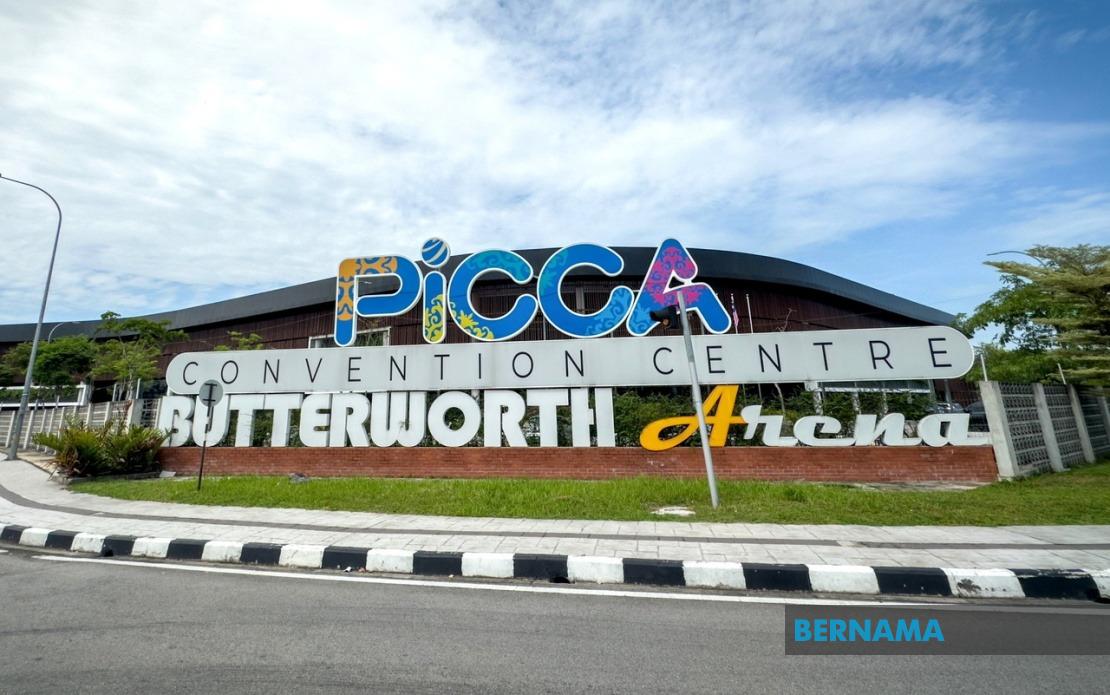
Prime Minister Datuk Seri Anwar Ibrahim officially opened the National Journalists' Day (HAWANA) 2026 grand finale in Butterworth today, hosting approximately 1,000 media practitioners from Malaysia and international delegations at the PICCA@Arena Butterworth Convention Centre. The sixth edition of the annual celebration, centred on the theme 'Media Integrity Strengthens Credibility', underscored the growing importance of journalistic standards in an era of information fragmentation and digital misinformation across Southeast Asia.
The Prime Minister's attendance at the event signals the federal government's commitment to recognising the crucial work of journalists in maintaining public trust and fostering informed citizenry. Beyond ceremonial acknowledgement, his participation reflects broader policy emphasis on responsible media practices as essential infrastructure for democratic governance. The timing of this celebration comes amid increasing global scrutiny on media freedom and accountability, particularly in Asia where press independence remains contested terrain.
Among the prominent dignitaries present were Penang Chief Minister Chow Kon Yeow, Communications Minister Datuk Fahmi Fadzil, and senior officials from Malaysia's national news agency Bernama. This cross-level governmental representation demonstrates institutional alignment on media matters, from federal communications policy down to state-level implementation. The presence of such senior figures also reflects the event's elevation within Malaysia's official calendar, moving beyond trade gathering to state occasion.
The ceremonial centrepiece involved the Prime Minister presenting HAWANA Awards and Special HAWANA Awards to individuals recognised for exceptional contributions to journalism and their influence on public discourse. Additionally, Tabung Kasih@HAWANA contributions were distributed to media veterans facing financial hardship, establishing a welfare dimension to the profession often overlooked in formal recognition. These gestures acknowledge that journalism in Malaysia extends beyond institutional newsrooms to include freelancers and independent practitioners whose economic security directly affects reporting capacity and editorial independence.
International participation elevated the event's regional significance. Delegations from Indonesia's Antara News Agency, Vietnam News Agency, Xinhua News Agency, the Indonesian Journalists Association, and the Malaysia-Indonesia Journalists Friendship Association (ISWAMI) attended, transforming HAWANA into a cross-border professional gathering. This international dimension facilitates knowledge exchange on journalistic standards and ethical practices across Southeast Asia, where collaborative media initiatives remain underdeveloped compared to Western counterparts. Such engagement helps establish shared professional norms in a region where media institutions operate under varying regulatory frameworks and government relationships.
Paralleling the main ceremony, the RIUH Pi HAWANA Carnival extended celebrations across three days at the convention centre parking area, featuring performances by local artists including Exists, Bunkface, Masdo, Sakura Band, Budak Nakal Hujung Simpang, and Chelsea Ng. This entertainment component, attracting more than 24 creative product brands and 20 food vendors, transformed the event from insular professional gathering into community-facing celebration. The inclusion of interactive workshops alongside performances positioned journalism and media literacy as accessible to general audiences, not merely practitioners, addressing the need for public understanding of media processes and credibility assessment.
The broader HAWANA 2026 programme extended beyond the grand finale through multiple preparatory and accompanying events. The May 7 Media Forum, June 4 Strategic Partners Engagement Event, and June 14 Fun Walk generated sustained momentum and diverse participation formats. This multi-component approach recognises that contemporary professional recognition requires varied engagement mechanisms to accommodate different audience segments and participation preferences within the media ecosystem.
HAWANA's observance annually on May 29 commemorates the establishment of Utusan Melayu newspaper on the same date in 1939, anchoring modern media celebration in Malaysia's historical press development. This historical grounding provides institutional continuity for the profession while acknowledging journalism's deep roots in Malaysian nation-building narratives. The connection to 1939 also reminds practitioners that media in Malaysia has navigated colonial transitions, independence struggles, and democratic evolution—a heritage informing contemporary professional identity.
The Ministry of Communications, implementing HAWANA through Bernama, frames the celebration as a platform for recognising professional dedication while reinforcing the importance of accurate, verified, and authoritative information dissemination. This framing aligns with the broader government communications strategy emphasising institutional media's role in countering misinformation and establishing reliable public information systems. The emphasis on media integrity reflects recognition that information disorder poses genuine governance challenges, particularly concerning public health communications, financial markets, and electoral processes.
For Malaysian and Southeast Asian media professionals, HAWANA 2026's focus on credibility addresses mounting pressures from declining print advertising revenues, digital platform dependencies, and audience fragmentation. By institutionally celebrating integrity, the event signals that professional standards remain valued despite market pressures incentivising sensationalism and engagement-driven content. This affirms the economic and social case for sustaining traditional journalistic practices within evolving business models.
The event's emphasis on international delegation participation suggests Malaysia's interest in positioning itself as regional media hub and standards-setter within ASEAN. By hosting cross-national journalist gatherings and professional exchanges, Malaysia strengthens soft power through media diplomacy while potentially influencing regional approaches to press freedom, editorial standards, and government-media relations. This regional positioning becomes particularly relevant as digital platforms increasingly transcend national boundaries and media narratives spread across international audiences.

