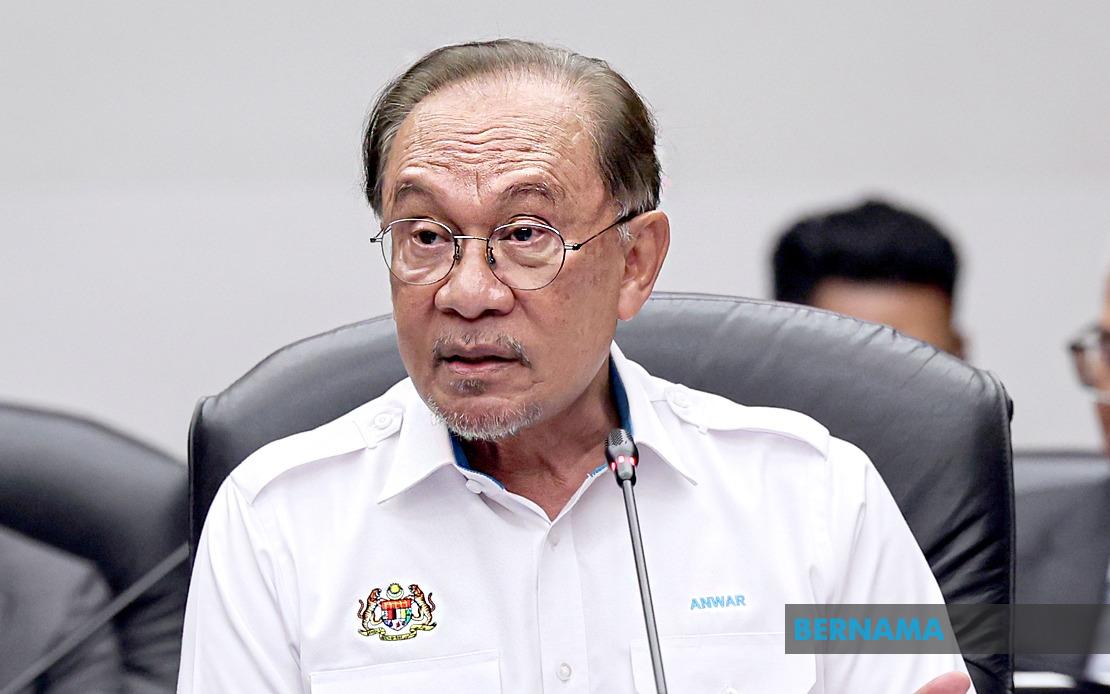
Prime Minister Datuk Seri Anwar Ibrahim has directed the Immigration Department to launch an immediate and exhaustive investigation into a fatal collision involving one of the agency's lorries that occurred on Jalan Sultan Ismail in the early hours of Monday morning. The incident has prompted swift action from the highest levels of government, with the premier emphasizing that any evidence of negligence or legal violations must result in firm corrective measures without exception.
Through a statement posted on social media, Anwar made clear his expectation that the Immigration Department undertake a comprehensive review of the circumstances surrounding the crash. He stressed that should the investigation uncover any lapses in duty or breaches of the law, those responsible must face appropriate consequences. This decisive response reflects the gravity with which the government is treating the matter and the need to maintain public confidence in state institutions responsible for transport and enforcement operations.
The collision occurred shortly after 1 am at the Maju Junction traffic-light intersection, resulting in the deaths of a 53-year-old man and his two daughters, aged 25 and 12. All three victims died at the scene following impact with the Immigration Department vehicle. The incident has sent shockwaves through the capital, raising urgent questions about vehicle safety protocols and operational procedures governing government transport.
The man's 55-year-old wife sustained serious injuries including trauma to her head, arms, and both legs. She remains hospitalized in the Red Zone at Kuala Lumpur Hospital, where medical teams continue to monitor her condition closely. The survival of one family member while three others perished underscores the violent nature of the collision and the unpredictable outcomes of such high-speed incidents on urban roads.
According to police accounts, the unloaded Isuzu Black Maria was traveling from the Kuala Lumpur Immigration Office toward Chow Kit at the time of the crash. The vehicle was en route to conduct enforcement operations targeting undocumented migrants, a routine but operationally sensitive task that requires strict adherence to road safety and traffic regulations. The circumstances of how the collision occurred—whether due to mechanical failure, driver error, or other factors—remain subject to ongoing investigation.
The incident raises broader concerns about the adequacy of safety measures governing government vehicle operations, particularly those engaged in enforcement activities that may involve time-sensitive responses. Immigration enforcement operations frequently require rapid deployment and movement across urban areas, potentially creating pressure on drivers to prioritize speed. This tension between operational urgency and public safety represents a recurring challenge for agencies managing personnel transport in congested metropolitan environments.
For Malaysian citizens, the tragedy highlights vulnerabilities in road safety that extend beyond individual driver competence to encompass fleet maintenance, driver training, and operational supervision. The presence of an empty government vehicle in a fatal collision raises questions about why the lorry was in operation and whether all necessary precautions were observed before departure from the immigration office. Such inquiries are essential to prevent recurrence and to ensure that government agencies maintain the highest standards of vehicle management.
The Prime Minister's intervention signals that the government takes such incidents seriously and recognizes the need for accountability within its own institutions. Public confidence in state agencies depends partly on visible commitment to investigating internal failures and implementing corrective measures when necessary. The message that no organization, regardless of its law enforcement or administrative function, is exempt from scrutiny represents an important principle of governance.
As the investigation unfolds, attention will focus on determining the precise cause of the collision and identifying any systemic or individual factors that contributed to the tragedy. Whether the findings implicate driver fatigue, vehicle maintenance deficiencies, traffic violations, or other causes will determine what remedial actions are appropriate. The scope of the inquiry announced by the Prime Minister suggests that officials are prepared to examine all relevant aspects of the incident comprehensively rather than accepting superficial explanations.
The crash also underscores the human cost of transportation incidents in urban settings where high traffic volumes and complex intersections create inherent risks. For the family members directly affected, the loss represents an irreplaceable tragedy that no amount of official investigation can reverse. However, ensuring that such incidents lead to tangible improvements in safety protocols honors those who have perished and protects others from similar fates in the future.

