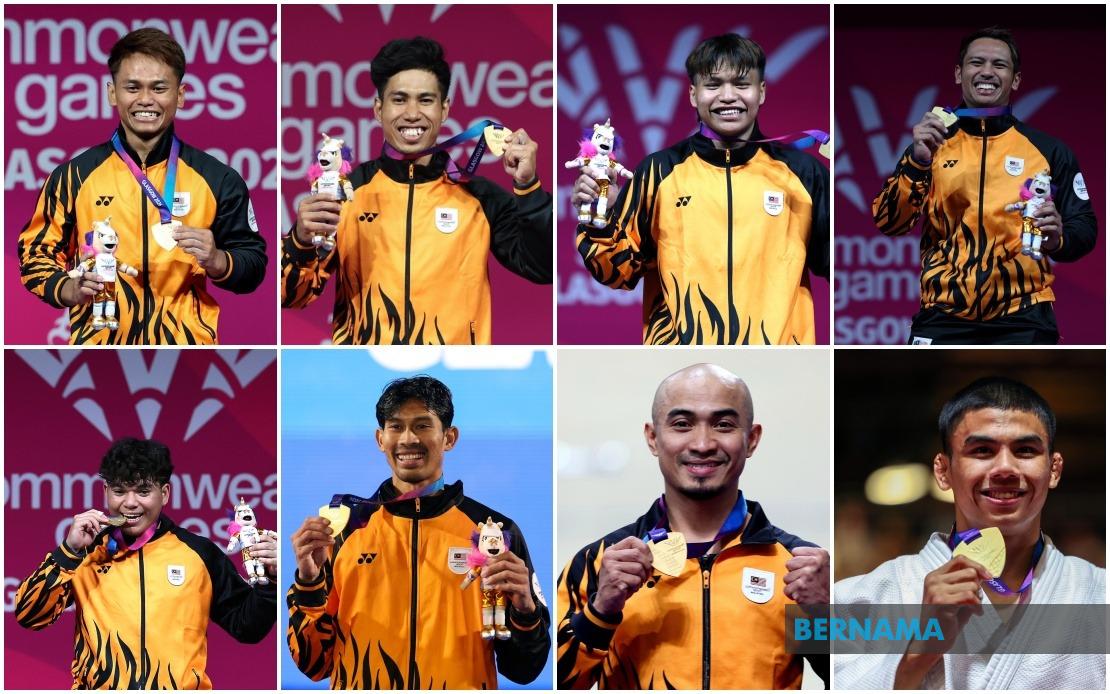
Prime Minister Datuk Seri Anwar Ibrahim has extended his congratulations to Malaysia's delegation at the 2026 Glasgow Commonwealth Games, highlighting the athletes' resilience and commitment to representing the nation on an international sporting stage. The Prime Minister's acknowledgment, shared through social media, recognises the considerable effort displayed by competitors across multiple disciplines throughout the games held in Scotland.
In his message, Anwar expressed particular admiration for what he described as the "extraordinary fighting spirit" demonstrated by the Malaysian contingent. The recognition extends beyond the athletes themselves, encompassing the broader ecosystem that supports competitive sport in the country, from technical coaching staff to administrative personnel and the families who provided encouragement from home.
Malaysia's final tally of 16 medals placed the contingent in tenth position on the overall medal standings, a result that reflects both the competitive intensity of modern Commonwealth Games and the progress being made by Malaysian athletics programmes. The ranking places Malaysia within the upper tier of participating nations, underscoring the country's sustained investment in sports development and training infrastructure.
The Commonwealth Games represent a significant sporting occasion for nations across the Commonwealth, serving as a platform where developing athletic programmes compete alongside more established sporting nations. For Malaysia, participation in such events provides valuable competitive experience, international exposure for athletes, and opportunities to identify emerging talent for future Olympic and Asian Games campaigns.
Anwar's public acknowledgment carries particular weight given the Malaysian government's emphasis on sports development as a strategic priority. His message signals official recognition that sporting achievement contributes to national prestige and cohesion, reflecting broader policy initiatives aimed at nurturing athletic talent and building world-class facilities.
The coaching and support staff acknowledged by the Prime Minister play an essential, though often underappreciated, role in preparing athletes for international competition. These professionals work year-round designing training programmes, managing athlete welfare, analysing opposition tactics, and ensuring competitors arrive at major events in peak condition. Their contribution to Malaysia's performance at Glasgow remains integral to the results achieved.
The prayers and well-wishes from the Malaysian public, which Anwar specifically referenced, demonstrate the emotional investment that citizens maintain in national sports teams. This public engagement, while sometimes overlooked in purely technical analyses of sporting performance, creates psychological support systems that athletes draw upon during competition and helps build national sporting culture.
Glasgow 2026 forms part of a broader international sporting calendar that shapes Malaysia's athletic development trajectory. Results from such games inform strategic planning for subsequent competitions, including the Asian Games and Olympic preparation cycles. The experience gained by athletes and technical staff at this level provides reference points for future target-setting and programme refinement.
The tenth-place finish positions Malaysia competitively within the Commonwealth sporting hierarchy, reflecting the country's regional standing. Comparative performance against other Southeast Asian nations and similar-sized Commonwealth participants will inform discussions about resource allocation, talent identification systems, and whether current training methodologies require adjustment to achieve improved outcomes at future major games.
Anwar's statement also implicitly acknowledges the economic investment required to send and support a competitive contingent across multiple sports to an overseas location. The logistics, accommodation, training facilities access, and medical support necessary to field a serious challenge at Commonwealth Games represent significant government expenditure that demands accountability and results justification.
Looking forward, Malaysia's tenth-place finish and medal haul provide a baseline for assessing progress at subsequent Commonwealth Games and other international competitions. Sports administrators will use Glasgow data to evaluate which sports and individual athletes delivered returns on investment and which programmes require restructuring or enhanced funding to improve competitive outcomes.
The broader significance of Anwar's recognition extends to public morale and sporting culture development. When national leaders visibly acknowledge athletic achievement, they reinforce the value placed on sports participation and competitive excellence within society, potentially inspiring younger Malaysians to pursue sporting careers and dedication to athletic disciplines.

