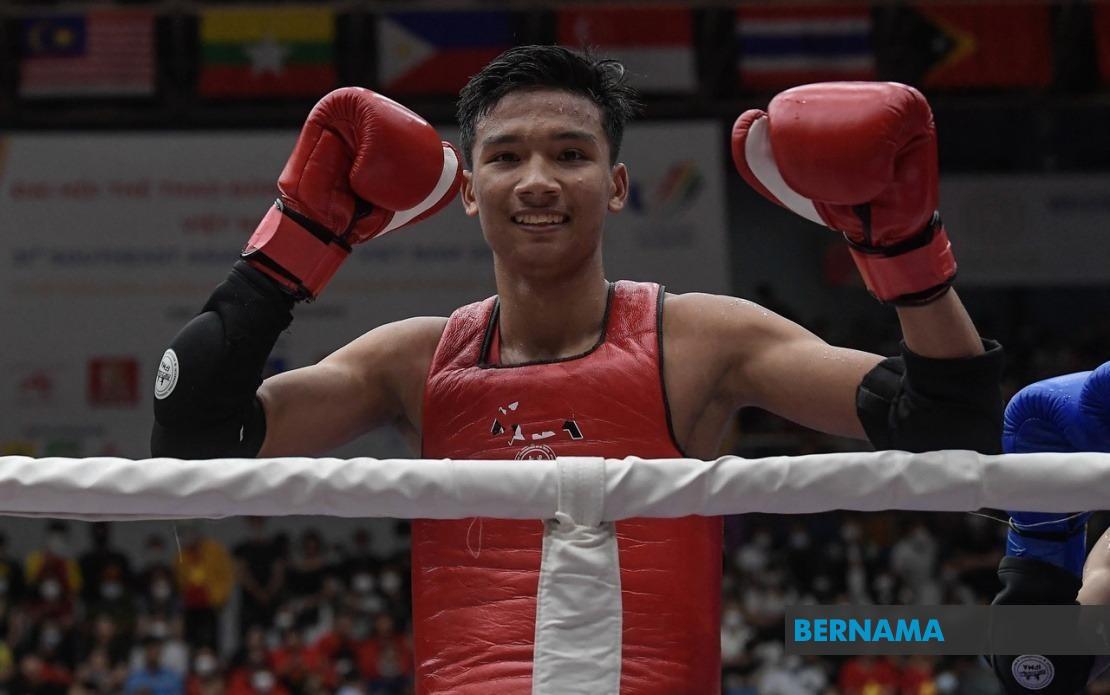
Prime Minister Datuk Seri Anwar Ibrahim has issued a public call for Malaysians to unite behind Ahmad Nor Iman Aliff Rakib as the national Muay Thai competitor prepares for a historic world title challenge this Friday, marking a significant milestone for Malaysian combat sports. The Premier's endorsement underscores the broader strategic importance the government places on developing Malaysia's international sporting profile and nurturing homegrown athletic talent across diverse disciplines.
In a statement shared on Facebook, Anwar emphasised the historic nature of Ahmad Nor Iman Aliff's achievement in qualifying for a world title opportunity. The athlete's qualification represents a watershed moment for Malaysian combat sports, as he stands poised to become the first athlete from the nation to secure a championship shot at this level of international competition. This progression reflects years of dedicated training and competition within the professional circuit, culminating in recognition from ONE Championship, one of Asia's premier mixed martial arts and combat sports organisations.
The Prime Minister framed his call for support around broader national objectives, encouraging Malaysians to rally behind their representative as an extension of patriotic pride. Anwar's public backing carries symbolic weight beyond mere encouragement, signalling government acknowledgment of combat sports as a legitimate avenue for national achievement and international representation. Such high-level political support can significantly amplify public interest and resources available to developing athletes in traditionally underfunded disciplines within Malaysia's sports ecosystem.
Ahmad Nor Iman Aliff's opponent presents a formidable challenge that amplifies the magnitude of his achievement. He will face Sam-A Gaiyanghadao, a legendary Thai Muay Thai practitioner whose name carries considerable prestige within the sport. Thailand's dominance in traditional Muay Thai means competing against Thai champions at this level represents particularly challenging opposition, as the sport has deep cultural roots in Thailand spanning centuries. The matchup at Lumpinee Stadium in Bangkok, one of the world's most prestigious Muay Thai venues, adds another layer of significance to the encounter.
Lumpinee Stadium holds legendary status within the global Muay Thai community, having hosted the sport's greatest champions and most memorable contests for decades. Competing at this venue constitutes a pinnacle achievement for professional Muay Thai athletes globally, extending beyond mere geographical location to encompass the historical prestige and competitive calibre traditionally associated with the arena. For Ahmad Nor Iman Aliff to secure this platform reflects the recognition he has earned within international combat sports circles.
The ONE Championship organisation has emerged as a transformative force in Asian combat sports over the past decade, providing platforms and career pathways for athletes from across Southeast Asia and beyond. The interim championship format, typically employed when the reigning champion is unavailable, presents a genuine pathway to official title recognition. Ahmad Nor Iman Aliff's selection for this opportunity demonstrates that international competition organisers recognise his credentials and ranking within the strawweight Muay Thai division.
For Malaysian sports development, this moment carries implications extending beyond individual achievement. Success at this level can generate momentum for combat sports development domestically, potentially inspiring younger athletes to pursue professional pathways in disciplines that remain less established in Malaysia compared to badminton, football, or other mainstream sports. Government and institutional support, as evidenced by the Prime Minister's public backing, can create ecosystem improvements including enhanced training facilities, sponsorship pathways, and media attention.
The timing of Anwar's statement reflects recognition that public figures' endorsements can meaningfully influence viewership, social media engagement, and fan support around sporting events. In the contemporary media landscape, prime ministerial backing amplifies reach far beyond traditional sports audiences, potentially drawing broader public attention to Muay Thai as a competitive pursuit. This cross-demographic awareness can benefit both Ahmad Nor Iman Aliff's specific contest and the sport's long-term development within Malaysia.
Ahmad Nor Iman Aliff's journey exemplifies the pathways now available to Malaysian athletes willing to pursue professional combat sports internationally. The combination of individual dedication, competitive opportunity within established international organisations, and strategic support from government and national institutions creates conditions for breakthrough achievements. His participation in this championship bout represents the culmination of extensive preparation, likely involving training partnerships, coaching expertise, and financial investment across multiple years.
The broader Southeast Asian context also matters significantly here. Within the region, Thailand and other nations have stronger traditions of professional Muay Thai, with larger domestic markets and deeper institutional support structures. Malaysia's emergence of competitive athletes at world championship level demonstrates the region's competitive diversity and the potential for countries without traditional Muay Thai heritage to develop elite practitioners. This reflects globalisation of the sport and meritocratic selection based on demonstrated skill rather than geographical origin.
Success for Ahmad Nor Iman Aliff would carry tangible benefits for Malaysian sports infrastructure and talent development. Championship victories at international level attract sponsorship, media opportunities, and institutional investment that can support subsequent athletic development. Beyond immediate personal achievement, his success would position Malaysia differently within regional sports rankings and could influence how international organisations allocate future opportunities to Malaysian athletes across various disciplines.
The contest itself will unfold within the context of evolving Asian combat sports economics and competition infrastructure. ONE Championship's growth and continued investment in Southeast Asian markets reflects recognition of substantial audience potential and athlete availability across the region. Malaysian participation at championship level contributes to the region's overall competitive profile and justifies continued organisational investment in the market.

