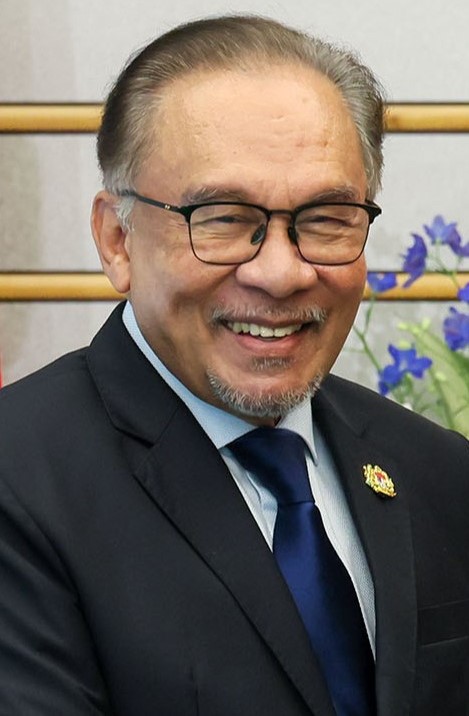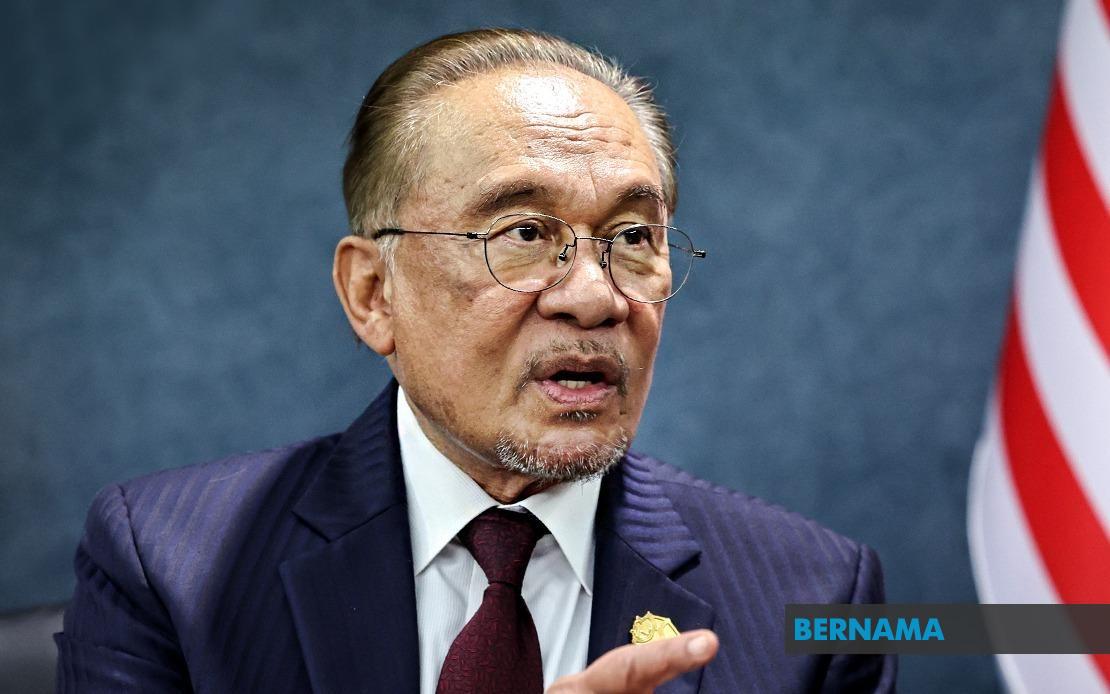
Prime Minister Datuk Seri Anwar Ibrahim is set to deliver a keynote address at the ASEAN-Russia Business Forum in Kazan on June 17, underscoring Malaysia's continued engagement with Russia at the highest political and economic levels. The address marks a significant moment in bilateral relations between Southeast Asia's premier regional bloc and Moscow, particularly as the Prime Minister holds dual portfolios as both the nation's chief executive and Finance Minister. His participation reflects the importance Malaysia places on strengthening economic ties with Russia even as geopolitical tensions persist across the Eurasian region.
The forum will be held at Kazan IT Park, where Anwar will be formally received by Ilya Nachvin, Minister of Digitalisation of Public Administration, Information Technologies and Communications of the Republic of Tatarstan. This venue selection highlights the emphasis on digital innovation and technology cooperation, areas increasingly central to ASEAN-Russia engagement. By choosing a technology park as the setting, organisers have signalled that contemporary business partnerships between the two sides extend beyond traditional commodity trade into knowledge-based sectors and digital transformation initiatives.
During his address, the Prime Minister will speak to a gathered audience of business representatives and officials from across the ASEAN member states as well as Russian counterparts. This multilateral business dimension provides an opportunity to showcase Malaysia's economic strengths while exploring collaborative opportunities in sectors ranging from energy and manufacturing to technology and digital services. For Malaysian enterprises, particularly those in electronics, palm oil processing, and petrochemicals, such forums offer direct access to Russian market insights and potential partnership channels.
Later in the evening, Anwar is scheduled to attend a gala dinner at the Tatar State Academic Theater, one of the city's most prestigious cultural venues. This formal setting will provide the backdrop for enhanced diplomatic engagement, including a courtesy meeting with Russian President Vladimir Putin. Such high-level encounters, though brief in protocol, serve to reinforce bilateral relationships and allow leaders to exchange perspectives on regional security, economic cooperation, and emerging challenges affecting both nations.
The 2024 commemorative summit holds particular resonance as it marks exactly 35 years since ASEAN and Russia first established dialogue relations in 1989. This long-standing engagement has undergone considerable evolution, with Russia achieving full ASEAN Dialogue Partner status in 1996 and the relationship being elevated to a Strategic Partnership in 2018. This trajectory demonstrates mutual commitment to expanding cooperation across political-security matters, economic initiatives, and socio-cultural exchanges. Malaysia's participation underscores ASEAN's policy of maintaining balanced relationships with major powers regardless of broader geopolitical tensions.
Kazan itself carries significant symbolic weight for such engagement. Situated approximately 800 kilometres east of Moscow at the confluence of the Volga and Kazanka rivers, the city of 1.3 million inhabitants is often described as Russia's third capital after Moscow and Saint Petersburg. More importantly for ASEAN nations, Kazan is recognised as a major centre of Islamic culture and heritage within Russia, with a history spanning over 1,000 years. This cultural dimension makes it an apt location for dialogue involving ASEAN, a region where Islam forms a significant part of the social fabric, particularly in Malaysia, Indonesia, and Brunei. The city's role as a bridge between Russian and Muslim civilisations adds an intangible but meaningful layer to discussions held there.
Bilateral trade data reveals the tangible stakes underlying such diplomatic engagements. In 2024, total ASEAN-Russia trade reached USD18.1 billion, demonstrating the substantial commercial relationship between the bloc and Moscow. However, Russian foreign direct investment in ASEAN remained modest at USD92.97 million, suggesting significant untapped potential for deeper economic integration. For Malaysia specifically, Russia ranked as the ninth-largest trading partner among European nations in 2025, with bilateral trade valued at RM8.72 billion or approximately USD2.04 billion.
Malaysia's trade composition with Russia reveals the country's role as a supplier of manufactured goods and processed commodities. Electrical and electronic products form the backbone of Malaysian exports, reflecting the nation's strength in high-tech manufacturing and semiconductor-related industries. Machinery, equipment, and component parts constitute another significant export category, showcasing Malaysia's position within global supply chains. Processed food products round out the export portfolio, indicating opportunities for further value-added agricultural trade. Conversely, Malaysia imports primarily raw materials and energy resources from Russia, including petroleum products, minerals, and chemicals, highlighting Russia's role as a supplier of natural resources and chemical inputs critical to Malaysian industries.
This complementary trade structure suggests mutual economic interest in deepening commercial relationships. Malaysian manufacturers seeking alternative sources for raw materials and energy could benefit from more robust engagement with Russian suppliers, potentially reducing dependence on other sources. Simultaneously, Russian firms looking to access Southeast Asian markets and integrate into regional value chains find Malaysia's manufacturing expertise and established export infrastructure valuable. The business forum provides a structured opportunity to identify and develop such synergies beyond government-to-government relations.
The timing of this summit also reflects broader strategic calculations. ASEAN has long maintained a policy of non-alignment, seeking to balance relationships with major powers rather than tilting decisively toward any single bloc. By hosting and participating in ASEAN-Russia forums, member states including Malaysia signal their commitment to maintaining open channels with all significant actors in international affairs. This approach has become increasingly valuable as geopolitical competition intensifies, allowing ASEAN nations to pursue their development agendas without being forced into zero-sum choices between rival powers.
For Malaysian policymakers and business leaders, the forum represents an opportunity to assess Russia's medium-term economic trajectory and potential market opportunities despite international sanctions. Russian interest in Asian markets and investment partners has grown as Western markets have become less accessible. Malaysian companies with technological advantages or resource access could position themselves as valuable partners for Russian enterprises seeking alternative international connections. The business forum, therefore, functions as both a diplomatic statement of engagement and a practical networking opportunity with real commercial implications.