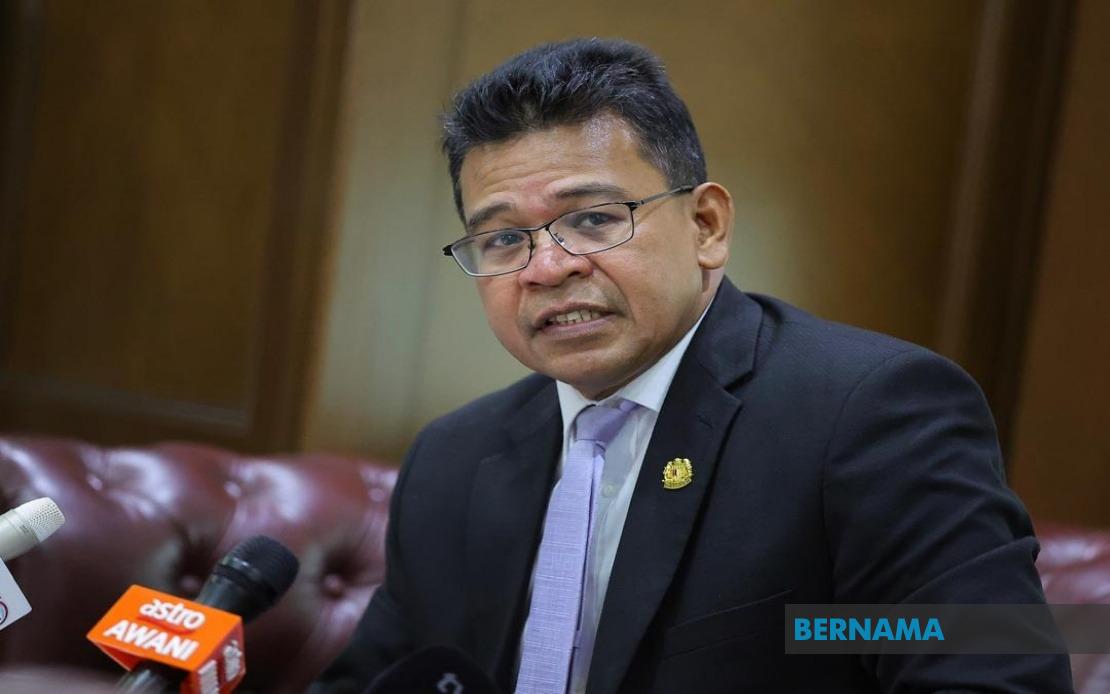
Prime Minister Datuk Seri Anwar Ibrahim embarks on a two-day working visit to Brunei beginning tomorrow, where he will participate in the 27th Annual Leaders' Consultation, the flagship bilateral engagement mechanism between the neighbouring nations. The summit represents a continuation of the longstanding high-level dialogue that has anchored Malaysia-Brunei relations since their formal establishment in 1984, underscoring the enduring diplomatic partnership between two ASEAN states separated only by shared maritime borders and cultural ties.
According to Malaysian High Commissioner to Brunei Datuk Mohd Aini Atan, the annual consultation framework serves as the primary channel through which both governments address matters of strategic importance. During the August 21-22 engagement, Anwar and Sultan Hassanal Bolkiah are expected to conduct a comprehensive review of progress achieved across multiple cooperation domains, assess the effectiveness of existing bilateral arrangements, and chart the direction for future collaboration. This cyclical reassessment ensures that the partnership remains responsive to evolving regional circumstances and emerging opportunities for mutual benefit.
The composition of Malaysia's delegation reveals the breadth of issues anticipated for discussion. Accompanying the Prime Minister are Foreign Minister Datuk Seri Mohamad Hasan, whose presence signals the diplomatic weight of the occasion; Sarawak Premier Tan Sri Abang Johari Tun Openg and Sabah Chief Minister Datuk Seri Hajiji Noor, reflecting Brunei's particular interest in East Malaysian development trajectories and cross-border initiatives; and Minister of Investment, Trade and Industry Datuk Seri Johari Abdul Ghani, indicating focus on economic dimensions of the partnership. This ministerial composition demonstrates that the consultation extends beyond ceremonial courtesy to encompass substantive policy coordination across governance, development, and commerce.
Prior to the main leaders' meeting, Foreign Minister Mohamad Hasan will chair the 27th Malaysia-Brunei Exchange of Letters Implementation Meeting on August 21, conducted jointly with Brunei's Second Minister of Foreign Affairs Datuk Seri Setia Erywan Mohd Yusof. This preparatory session will review implementation progress on agreements reached during the previous year's 26th consultation held in Putrajaya, establishing a foundation of clarity regarding outstanding commitments and accomplished objectives. The Exchange of Letters mechanism provides a structured framework for monitoring and accountability, ensuring that high-level political commitments translate into concrete administrative action at the working level.
Among the anticipated outcomes is the signing of a Memorandum of Understanding on disaster management cooperation between the two governments. This agreement assumes particular significance given Southeast Asia's vulnerability to natural calamities ranging from floods and earthquakes to wildfires. Brunei and Malaysia, facing similar environmental challenges and sharing geographical proximity, stand to benefit substantially from coordinated preparedness protocols, information-sharing systems, and emergency response capabilities. Such collaboration strengthens regional resilience while demonstrating how bilateral partnerships can address transnational concerns that transcend political boundaries.
Beyond disaster preparedness, the consultation provides an opportunity for Anwar and Sultan Hassanal Bolkiah to exchange perspectives on regional and international matters of shared concern. ASEAN's ongoing management of maritime security, investment flows, and great power dynamics creates the context in which bilateral relations operate. Brunei, though modest in population and territory, holds strategic significance as a Southeast Asian state navigating geopolitical complexities while maintaining its independent voice. Malaysian leadership, conversely, carries weight within ASEAN deliberations and commands influence across a diverse domestic constituency spanning multiple ethnic and religious communities. The dialogue between these two leaders therefore carries implications extending beyond bilateral channels into the broader regional architecture.
Trade statistics underscore the economic foundation supporting diplomatic engagement. During 2025, bilateral commerce totalled RM5.86 billion, with Malaysian exports to Brunei valued at RM4.20 billion and imports from Brunei reaching RM1.66 billion. These figures reflect structural patterns in which Malaysia functions as a significant supplier of goods and services to the smaller neighbour, while Brunei's export profile, historically dominated by petroleum and liquefied natural gas, contributes substantial value in return. The first half of 2026 witnessed accumulated bilateral trade of RM2.38 billion, suggesting a pace that could match or exceed the previous year's performance if current momentum continues.
The visit occurs against a backdrop of evolving regional economic dynamics. ASEAN members increasingly pursue deepened trade integration while simultaneously managing competition from rising economies and navigating supply chain reconfiguration. Malaysia, positioned as Southeast Asia's second-largest economy and a manufacturing hub with diversified industrial capacity, benefits from partnerships with smaller, resource-rich neighbours like Brunei. Trade relations, while numerically dominated by Malaysian exports, represent reciprocal interests: Malaysian businesses gain market access and supply contracts, while Brunei receives competitively priced manufactured goods and professional services that support its diversification aspirations beyond petroleum dependency.
The institutional framework established through mechanisms like the Annual Leaders' Consultation and Exchange of Letters demonstrates the sophistication of Malaysia-Brunei engagement. Rather than relying on ad hoc diplomacy or sporadic high-level contact, both governments have invested in structured processes that facilitate regular communication, enable accountability, and ensure continuity across political transitions. This institutional maturity reflects confidence in the relationship and recognition that effective partnership requires systematic attention and deliberate coordination. For Malaysian policymakers, the Brunei relationship exemplifies how ASEAN regionalism functions in practice, combining diplomatic protocol, economic interdependence, and institutional mechanisms to sustain cooperation among diverse member states.
Looking forward, the August consultation will likely address emerging priorities including digital economy cooperation, renewable energy development, and enhanced people-to-people connectivity. Both governments have signalled interest in advancing beyond traditional trade relationships toward knowledge transfer and technology collaboration. Educational exchange programmes, professional mobility agreements, and joint research initiatives could deepen the human dimension of the partnership. Such expansions would position Malaysia-Brunei relations as a model for how ASEAN nations can evolve their engagement to reflect contemporary development challenges and opportunities.

