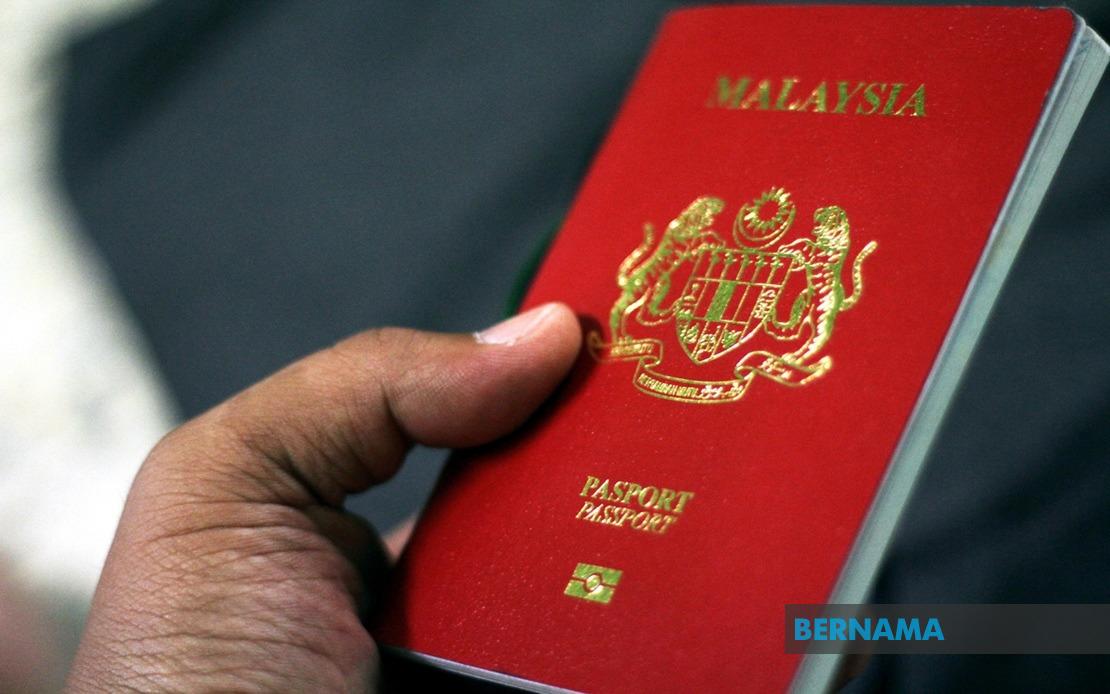
Prime Minister Datuk Seri Anwar Ibrahim will formally introduce Malaysia's upgraded international passport at the Parliament lobby on Tuesday, marking a significant milestone in the country's efforts to maintain world-class identity document security. The new travel document represents a comprehensive overhaul of the nation's passport system, incorporating nearly twice as many protective mechanisms as the version currently in circulation.
The enhanced passport design reflects growing global concerns about document fraud and identity theft, vulnerabilities that have prompted leading nations to continuously fortify their travel credentials. Malaysia's move to introduce 94 distinct security features—a substantial jump from the existing 49 elements—demonstrates the government's commitment to keeping pace with international standards and protecting Malaysian citizens from exploitation and identity compromise. This upgrade positioning comes as cross-border travel reaches unprecedented levels and sophisticated counterfeiting techniques pose escalating risks to border security worldwide.
Among the technological innovations embedded within the new passport are advanced holographic components that shift appearance under different lighting conditions, making replication extraordinarily difficult for would-be forgers. Ultraviolet printing technology has been integrated throughout the document, creating invisible layers of information visible only under specialized scanners. These features work in concert with hidden visual elements strategically placed across pages—details that only trained immigration officials and document authentication specialists can readily identify and verify.
The document's structural reinforcement extends to the very binding mechanism holding the passport booklet together. Sophisticated threads now serve both aesthetic and security functions, incorporating elements that respond to forensic examination techniques. Each individual page within the new passport has been assigned a distinct layout pattern, preventing the substitution or duplication of pages without detection. This page-level differentiation represents a critical safeguard against one of the most common forgery techniques: replacing legitimate pages with fraudulent alternatives that bear altered biographical information or visa endorsements.
These enhancements build on announcements made earlier this year by Home Minister Datuk Seri Saifuddin Nasution Ismail, who signaled the government's broader commitment to modernizing Malaysia's identity infrastructure. Beyond the international passport, authorities confirmed plans to redesign the MyKad national identification card with similarly advanced security protocols. This dual-document approach recognizes that comprehensive protection requires strengthening security across the entire ecosystem of official identity documentation that Malaysians rely upon for travel, commerce, and administrative purposes.
Malaysia's position within the global hierarchy of passport strength has become increasingly significant for both citizens and policymakers. The Passport Index, which ranks travel documents according to their visa-free access privileges and international recognition, listed the Malaysian International Passport as the world's third most powerful in 2025. This ranking reflects not merely the document's physical design but also Malaysia's diplomatic standing and the reciprocal visa arrangements the nation has negotiated with countries worldwide. Enhancing the passport's security features helps preserve this elevated standing by ensuring that the credential commands confidence and acceptance at international borders.
For Malaysian travelers, the upgraded passport carries practical implications extending beyond enhanced security theater. A more robust document with sophisticated anti-fraud mechanisms reduces the likelihood of border delays caused by authentication concerns, streamlines immigration processing, and provides reassurance that the credential cannot be easily counterfeited or misused by others. Business professionals, students, and leisure travelers benefit from faster document verification at airports and entry points, translating security improvements into tangible convenience gains.
The timing of this upgrade also reflects Malaysia's aspirations within the Southeast Asian region. As ASEAN moves toward greater integration and facilitated travel arrangements among member nations, countries must demonstrate robust border security protocols and trustworthy identification systems. By strengthening its passport security, Malaysia reinforces its commitment to regional cooperation and stability, signaling to neighboring nations that it takes document integrity and immigration management seriously. This regional dimension matters considerably, as ASEAN-wide initiatives like the ASEAN Single Window and harmonized travel standards depend upon mutual confidence in each country's document security standards.
The government's investment in passport modernization also addresses international pressure regarding identity document standards. Organizations like INTERPOL and the International Civil Aviation Organization (ICAO) continuously update recommended specifications for travel documents. By incorporating cutting-edge security features, Malaysia demonstrates its alignment with these global benchmarks and its dedication to combating transnational crime, human trafficking, and terrorism—challenges that depend partly upon the integrity of travel credentials. This compliance carries diplomatic significance, as nations prioritize partnerships with countries demonstrating equivalent commitment to document security and border management.
Beyond the launch ceremony itself, the practical rollout of this new passport design will unfold gradually across Malaysia's network of immigration offices, from major centers like Kuala Lumpur and Penang to smaller issuance points throughout the country. Citizens renewing expired passports or applying for new ones will receive the upgraded version, creating a phased transition rather than an immediate universal replacement. This staggered approach allows the government to manage production capacity, train staff on the new document features, and ensure all personnel responsible for issuing and authenticating passports receive proper instruction.
The investment in 94 distinct security features represents substantial expenditure in terms of production costs, specialized printing equipment, and staff training requirements. However, the expense reflects the government's calculation that preventing passport fraud and identity theft yields net benefits far exceeding implementation costs. Each forged passport represents not only loss of government revenue but also potential national security risks, as compromised documents can facilitate criminal activity, unauthorized border crossings, and other threats to public order.
Looking forward, the passport redesign establishes a baseline for future enhancements as technology evolves and forgery techniques become more sophisticated. The biometric features integrated within the new document—including facial recognition data and fingerprint information—position Malaysia to adopt emerging verification technologies that national immigration services worldwide are increasingly deploying. This forward-looking design philosophy ensures that today's security features will remain relevant as authentication methods advance in coming years.

