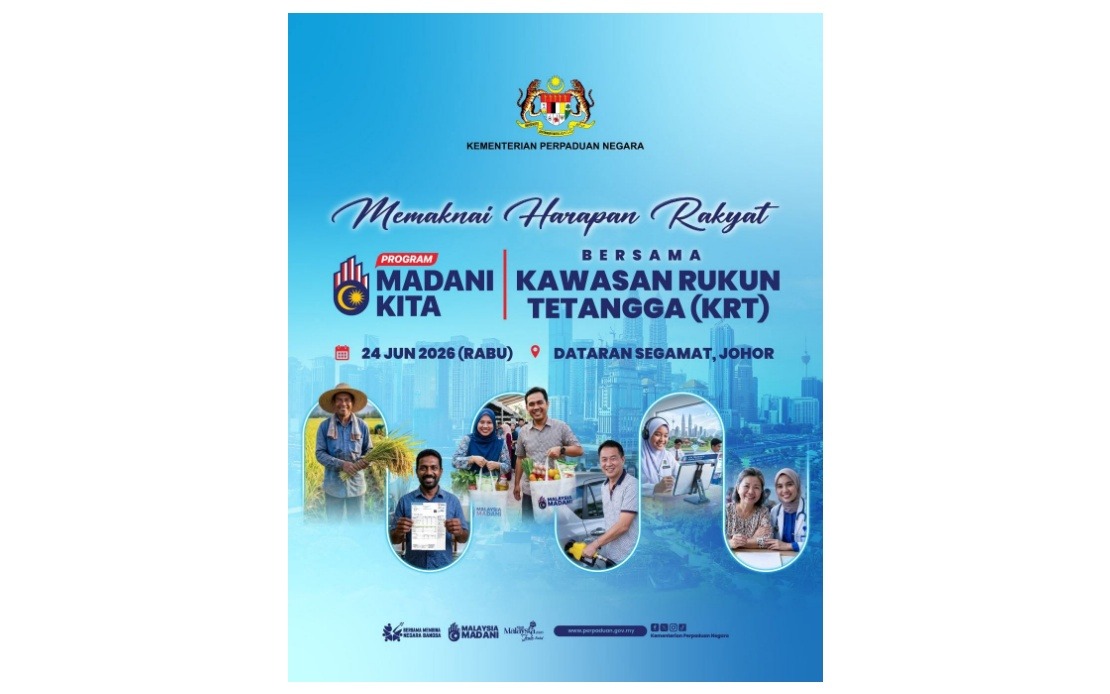
Prime Minister Datuk Seri Anwar Ibrahim is returning to Johor today for his second visit to the state in three days, with scheduled engagements in Segamat that will see him interact directly with communities through two distinct programmes. The twin events underscore the government's effort to maintain momentum in the lead-up to the 16th Johor state election, which voters will decide on July 11 following nomination day on June 27 and early voting on July 7.
Anwar's visit to Segamat, situated approximately 200 kilometres south of Johor Bahru, follows his announcement just days earlier of Pakatan Harapan's complete slate of candidates for the upcoming state poll. Standing at Bukit Gambir in Tangkak on Monday, the Prime Minister unveiled the coalition's commitment to contest all 56 state seats, with Keadilan Rakyat (PKR) fielding 20 candidates, Amanah presenting 19, and the Democratic Action Party (DAP) contributing 17 contenders to the battleground.
The centrepiece of today's schedule is the official launch of the MADANI KITA programme at Dataran Segamat at 5 pm, where Anwar will engage with the area's Rukun Tetangga committees. This initiative represents a strategic effort by the government to consolidate community bonds and foster inter-racial understanding at the grassroots level. The programme functions as an institutional framework through which federal initiatives and policy objectives can be communicated directly to neighbourhoods, leveraging the traditional strength of the Rukun Tetangga system as a conduit for civic engagement.
MADANI KITA operates on the principle that strengthened neighbourliness forms the bedrock of national cohesion. By anchoring the programme within existing community structures rather than imposing top-down bureaucratic processes, the government seeks to revitalise the role of Rukun Tetangga as custodians of social fabric within their localities. This approach carries particular resonance in diverse districts like Segamat, where racial and religious harmony depends upon active maintenance of interpersonal connections across community lines.
The evening will transition into a more informal gathering when Anwar proceeds to the Yayasan Bazaar site at 6.30 pm for the "Jom! Makan Durian" programme, a casual community meal centred on the sharing of durian, Malaysia's iconic fruit. This deliberate shift in tone from formal programme launch to relaxed communal dining reflects a broader political strategy of humanising leadership and demonstrating accessibility. The casual setting permits organic conversation between the Prime Minister and residents, permitting dialogue that formal protocols might otherwise constrain.
Segamat itself carries strategic electoral significance within Johor's political landscape. As a district encompassing multiple state constituencies, the area represents a microcosm of the voter bases across which Pakatan Harapan must consolidate support. The location choice suggests the coalition recognises the necessity of maintaining engagement beyond urban centres, where logistical challenges and lower political visibility can erode grassroots momentum. By bringing the Prime Minister to Segamat at this juncture in the campaign cycle, the coalition signals serious competitive intent in constituencies that might otherwise receive less leadership attention.
Anwar's intensive schedule across Johor reflects the state's critical importance to national politics. As a PH-governed state under Mentri Besar Osman Sapian, the loss of Johor would represent a significant setback to the coalition's broader national standing. Conversely, consolidating or expanding the coalition's position in the state would provide substantial momentum heading into potential future general elections. The grassroots engagement through programmes like MADANI KITA and community dining events thus serve dual purposes: they genuinely strengthen local ties whilst simultaneously reinforcing the coalition's presence and demonstrating political vitality in a crucial electoral arena.
The timing of these engagements also reflects the condensed campaign timeline. With nomination day barely three days away and polling occurring within two weeks, the window for direct leadership engagement remains narrow. Prime ministerial visits during this period carry disproportionate value for candidate campaigns, as media coverage and public attention amplify the reach of such events well beyond the immediate locality. Anwar's presence in Segamat will invariably feature prominently in campaign communications for local Pakatan Harapan candidates, signalling the coalition's confidence in their prospects.
For Malaysian readers observing developments in Johor politics, these events illuminate how contemporary political campaigns attempt to balance formal institutional frameworks with populist engagement. The MADANI KITA programme represents the government's stated vision of institutionalising community participation, whilst the durian-eating session exemplifies the personal connection-building that remains essential in Malaysian electoral politics. Neither element alone proves decisive, yet their combination creates a comprehensive approach to political renewal at the grassroots level.
Moreover, the visit demonstrates how regional elections serve as testing grounds for national political strategies and messaging. The approaches and policy presentations that succeed in Johor may be refined and expanded for application elsewhere within Malaysia. Equally, any weaknesses exposed during this campaign cycle will inform refinements to the coalition's national strategy. Thus, Anwar's day in Segamat represents not merely a localised campaign event but a data-gathering and strategic positioning opportunity for the broader political contest that Malaysian voters will ultimately decide.

