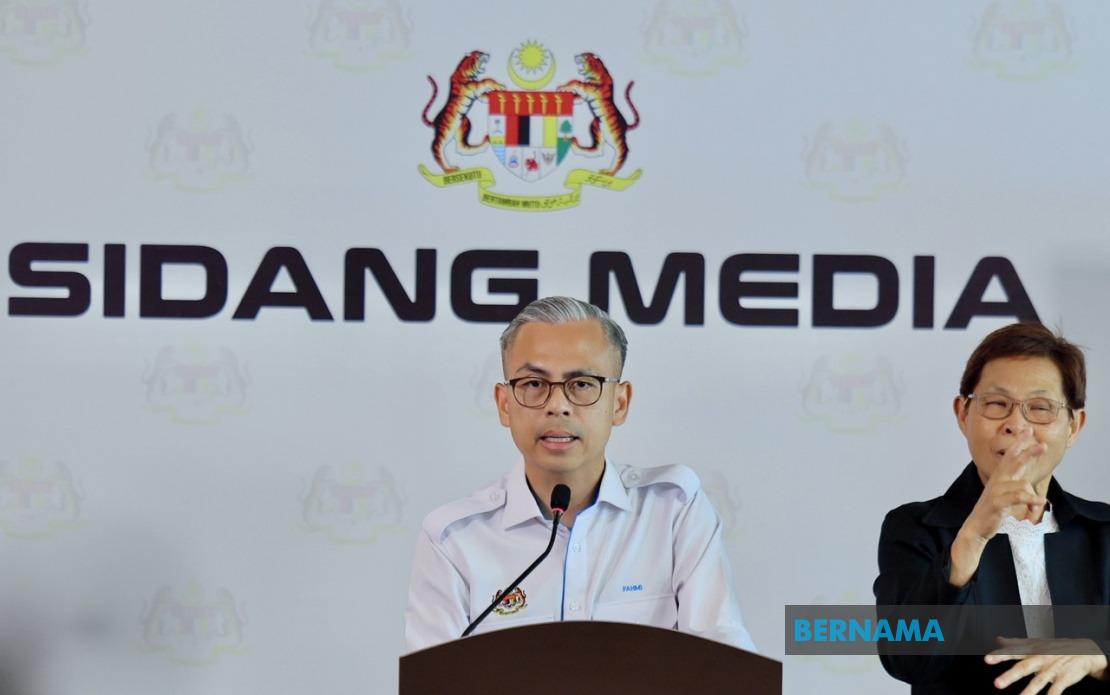
Prime Minister Datuk Seri Anwar Ibrahim's recent working visits to Kazan in Russia and Ashgabat in Turkmenistan have produced strategic outcomes designed to fortify Malaysia's energy infrastructure and create substantial benefits for ordinary Malaysians. According to MADANI Government spokesperson Datuk Fahmi Fadzil, these diplomatic engagements represent pivotal moments in the nation's pursuit of economic stability and long-term prosperity through energy diversification.
The visit to Kazan, where Anwar attended the 35th ASEAN-Russia Commemorative Summit, established a framework for Russia to supply crude oil, gas and diesel to Malaysia through a comprehensive long-term agreement. This arrangement addresses a critical vulnerability in Malaysia's energy supply chain, reducing dependence on volatile global markets and establishing a reliable supplier relationship with one of the world's largest energy producers. The delegation included Investment, Trade and Industry Minister Datuk Seri Johari Abdul Ghani and Economy Minister Akmal Nasrullah Mohd Nasir, underscoring the high-level commitment to securing these arrangements. Beyond energy, Malaysia and Russia committed to broadening cooperation across trade, investment, tourism and technology sectors, creating multiple avenues for economic engagement between the two nations.
Equally significant developments emerged from Anwar's Turkmenistan visit, where PETRONAS achieved a major expansion of its operations in Central Asia. The national oil company, through its wholly owned subsidiary Petronas Carigali (Turkmenistan) Sdn Bhd, secured development rights to two substantial gas blocks, reinforcing its credentials as a global leader in gas production and exploration. This achievement builds upon PETRONAS' three-decade presence in Turkmenistan, transforming an established but limited footprint into a more substantial operational platform.
The two governments formalised a Framework Agreement on Long-Term Cooperation for the Development of Hydrocarbon Resources of Turkmenistan, creating an institutional foundation for expanded energy collaboration. This agreement extends beyond simple extraction, encompassing downstream activities including oil refining, gas processing and gas chemical production. The inclusion of potential development opportunities in the Galkynysh field—one of the world's largest gas reserves—positions Malaysia to benefit from significant hydrocarbon wealth over coming decades. For PETRONAS, access to these resources strengthens its capacity to meet global energy demand while generating revenue streams that flow back to Malaysia as dividends and government receipts.
Fahmi emphasised that these energy achievements directly enabled the government to announce a reduction in diesel prices on June 21, demonstrating the tangible connection between diplomatic success and immediate consumer benefits. By securing long-term supplies at favourable terms and expanding PETRONAS' production capacity, the government created conditions for greater price stability and affordability for Malaysian motorists and businesses. This linkage illustrates how energy diplomacy translates into household economics for ordinary citizens dependent on fuel for transportation and commerce.
The broader strategic significance of these engagements reflects Malaysia's positioning within evolving global energy dynamics. As the world transitions toward different energy paradigms while maintaining hydrocarbon dependence, securing long-term supply relationships becomes increasingly valuable. The Kazan agreement provides a hedge against market disruptions, while the Turkmenistan opportunity ensures Malaysia maintains exposure to significant energy assets beyond its own territorial boundaries. For a nation investing heavily in renewable energy while remaining reliant on fossil fuels during the transition period, diversifying supply sources and production interests remains prudent policy.
For Southeast Asian observers, these developments carry regional implications. Malaysia's ability to secure premium energy partnerships in Central Asia demonstrates the enduring importance of the ASEAN framework in projecting regional interests onto the global stage. The ASEAN-Russia summit context in which the Kazan visit occurred highlights how regional groupings can leverage collective diplomatic weight to advance individual member interests. Other ASEAN nations seeking energy security may view Malaysia's success as a template for similar negotiations with major energy producers.
The Turkmenistan dimension also reflects broader trends in Asian energy partnerships. Central Asian natural gas reserves have become increasingly important as traditional producers face capacity constraints and policy uncertainties. PETRONAS' expanded role in Turkmenistan positions Malaysia within this strategic geography, creating opportunities for the company to serve Asian markets hungry for reliable gas supplies. This geographic diversification of PETRONAS' portfolio protects Malaysia's energy interests from over-concentration in any single region or supplier relationship.
Domestically, the returns generated through PETRONAS' dividend payments and government concession fees will fund national development priorities. Fahmi explicitly noted that revenues flowing from Turkmenistan operations will be channelled into the development agenda, enhancing infrastructure, social programmes and economic initiatives. This mechanism transforms geological good fortune and diplomatic achievement into tangible improvements in public services and national capacity-building.
Looking forward, the Framework Agreement with Turkmenistan suggests scope for deepening engagement. The inclusion of downstream sectors like refining and gas chemicals indicates that Malaysia may eventually develop more sophisticated hydrocarbon processing capabilities, potentially attracting associated industries and technical expertise. PETRONAS could emerge as a platform for technology transfer and industrial development in these value-added segments, multiplying the economic benefit beyond simple resource extraction.
These diplomatic outcomes also reinforce the government's capacity to pursue strategic objectives through international engagement. The coordination across multiple ministries and the sequencing of announcements demonstrate sophisticated diplomatic planning designed to maximize domestic political impact. For the MADANI Government, these achievements provide evidence of tangible progress on economic stability and energy security—priorities that resonate with Malaysian voters concerned about cost of living pressures.
The timing of these visits and their outcomes illustrates how energy diplomacy remains central to national economic strategy even as Malaysia pursues renewable energy expansion. The two paths—securing long-term hydrocarbon supplies while investing in clean energy—are not contradictory but complementary, reflecting realistic assessment of Malaysia's energy needs over coming decades. Until renewable sources can reliably meet baseload demand, maintaining access to affordable conventional energy remains essential for economic stability and competitiveness.

