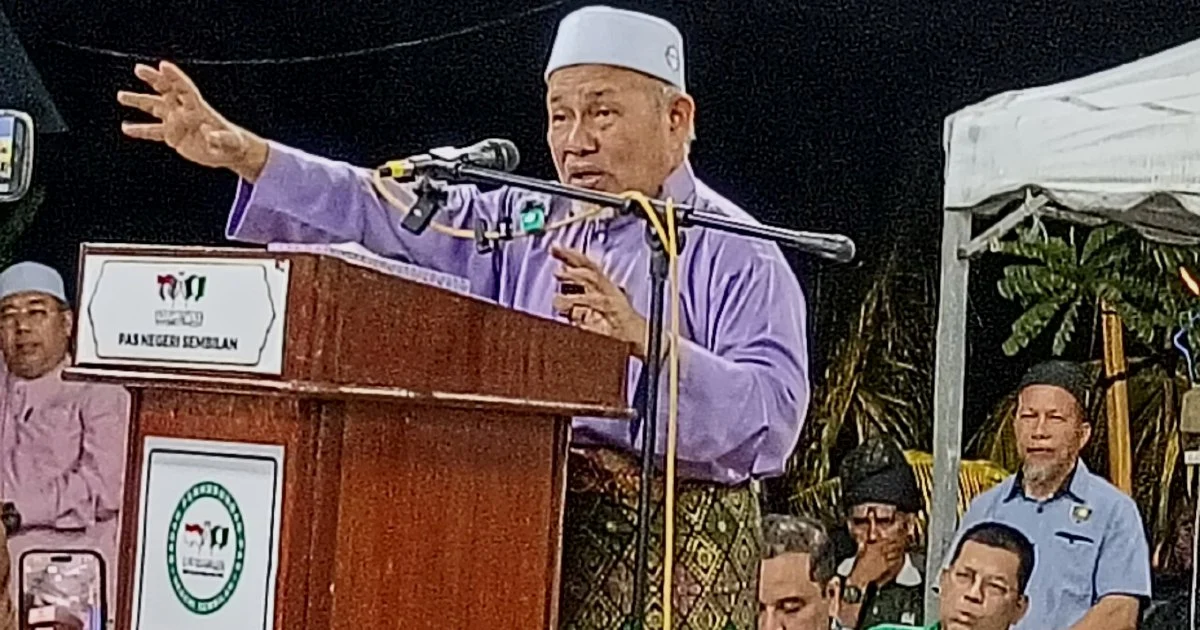
Perikatan Nasional remains a shared political platform among its constituent parties rather than the exclusive domain of any single member, according to PAS deputy president Datuk Seri Tuan Ibrahim Tuan Man, signalling continued tension over coalition governance and leadership arrangements within Malaysia's second-largest political bloc.
The statement from Tuan Ibrahim underscores deepening disagreements within PN regarding which party holds ultimate authority over strategic decisions, a dispute that has simmered since Perikatan Nasional consolidated as a formal coalition. The clarification comes against a backdrop of internal wrangling that threatens the stability of the opposition grouping, which has steadily accumulated parliamentary seats and territorial influence across multiple states including Kedah, Terengganu, and Kelantan.
While Bersatu entered the coalition as a significant force following its dramatic emergence as a splinter group from the United Malays National Organisation, PAS brings institutional depth through its entrenched presence in Malaysia's northeast and substantial grassroots organisation. The balance of power between these two pillars, along with smaller coalition partners, continues to shape the direction and public positioning of PN as it prepares for potential electoral contests and navigates its role as the principal opposition force.
The controversy reflects a broader pattern within Malaysian coalition politics where nominal alliances frequently obscure persistent disputes over resource distribution, candidate selection, and policy direction. Such internal friction, if left unmanaged, historically weakens opposition movements and creates openings for rival coalitions to exploit organisational vulnerabilities. The current debate carries implications not just for PN's internal cohesion but potentially for the broader opposition strategy heading into future electoral cycles.
Tuan Ibrahim's intervention appears calibrated to reassert PAS's stake in coalition decision-making at a moment when the party's considerable electoral contributions—particularly in peninsular states where it commands substantial voter loyalty—risk being overshadowed by Bersatu's more prominent media profile and role in federal politics. This assertion of co-ownership reflects the practical reality that no single party within PN commands sufficient parliamentary numbers to determine coalition outcomes unilaterally.
The ownership question carries tangible consequences for how the coalition allocates campaign resources, determines candidate nomination processes, and formulates policy positions on contentious issues. In Malaysia's system, where coalition partners often hold divergent views on matters ranging from constitutional interpretation to economic policy, clarity on decision-making authority becomes essential for maintaining workable partnerships.
For observers monitoring Malaysian politics, these internal disputes warrant careful attention because they may influence PN's capacity to mount an effective electoral challenge and to govern coherently should coalition parties achieve significant electoral gains. The strength of any opposition formation ultimately depends on whether its component parties can subsume short-term grievances within a broader strategic commitment to collective political objectives.
The broader Southeast Asian context adds another dimension to this internal debate. As regional democracies grapple with questions of coalition management and institutional stability, Malaysia's experience with multi-party alignments offers instructive lessons about the structural vulnerabilities inherent in opposition formations built on pragmatic convenience rather than ideological coherence or institutional trust.
PAS leadership has worked diligently to maintain PN cohesion while simultaneously protecting the party's organisational autonomy and strategic influence. Tuan Ibrahim's statement serves both purposes: it affirms PAS's position as a consequential PN stakeholder while implicitly cautioning other coalition members against unilateral decision-making that might fracture the alliance.
For Malaysian voters and stakeholders analysing opposition dynamics, the contest over coalition ownership ultimately reflects fundamental questions about power-sharing, representative legitimacy, and the capacity of diverse political actors to function as unified movements. The resolution of these disputes will significantly influence whether PN can consolidate its gains into sustained political influence or whether internal conflicts will provide opportunities for its competitors to reassert dominance.
Moving forward, PN's sustainability as a cohesive political force will largely depend on whether all component parties can establish equitable governance mechanisms that accommodate legitimate claims to strategic influence while maintaining sufficient internal discipline to present a unified public face. Tuan Ibrahim's intervention indicates that PAS intends to remain an active participant in this negotiation, protecting both the coalition's collective interests and its own organisational standing within the broader Malaysian political landscape.

