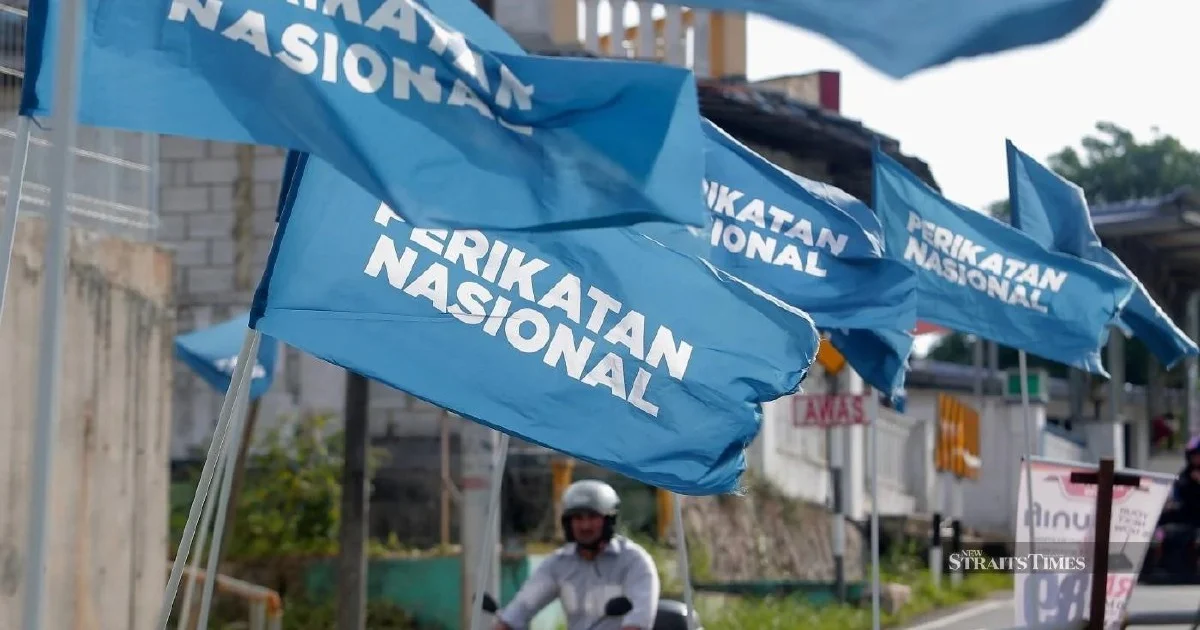
Perikatan Nasional (PN) has moved swiftly to quash a widely circulated social media claim that the coalition intends to sit out the upcoming Johor state election. The denial came from P. Punithan, who holds the position of deputy chairman within the coalition, who characterised the spreading narrative as entirely fabricated and designed to create confusion among the electorate.
The emergence of such claims reflects the intensifying information warfare surrounding Malaysian electoral politics, particularly as state-level contests loom and voters prepare to cast ballots. Digital rumours of this nature have become increasingly common in the lead-up to elections, with various stakeholders attempting to shape public perception through unverified social media posts. The speed with which false narratives can spread across messaging platforms and online communities demonstrates the vulnerability of the political landscape to misinformation campaigns.
PN's rapid response underscores the coalition's concern that unsubstantiated reports could damage its electoral prospects or create fractures within its membership by suggesting internal divisions or strategic retreats. For a political coalition seeking to consolidate support ahead of voting, such narratives pose a reputational threat that demands immediate clarification. The coalition has evidently calculated that allowing such claims to circulate unchallenged could undermine its credibility and confuse supporters about its actual electoral strategy.
The Johor state election represents a significant battleground in Malaysian politics, given the state's population size, economic importance, and historical voting patterns. Any suggestion that a major coalition would voluntarily absent itself from such a contest invites questions about its viability as a political force. For PN, which has been positioning itself as an alternative to the established political order, appearing to retreat from any major electoral opportunity would contradict its broader narrative of ambition and momentum.
The episode highlights broader concerns about election-related disinformation in Malaysia's digital ecosystem. Voters increasingly rely on social media for political information, yet the prevalence of unverified claims creates a cluttered information environment where distinguishing fact from fiction becomes progressively more difficult. Regulatory bodies and political parties have struggled to develop effective countermeasures against coordinated or opportunistic misinformation campaigns that emerge during election cycles.
PN's denial strategy—having a senior figure explicitly reject the claim—represents the most common tactical response available to political actors. However, analysts note that such direct rebuttals may have limited effectiveness in changing minds among those who have already encountered the false narrative. The psychological phenomenon of misinformation persistence means that simply stating the truth does not automatically overcome false beliefs that have already taken root in voters' minds.
The timing of such rumours often carries strategic significance. Claims about coalition withdrawal or internal conflict frequently surface when a group's unity is most vulnerable or when rival factions seek to exploit potential division points. Understanding who benefits from spreading such misinformation—whether it originates from rival political camps, international actors, or domestic agitators—remains challenging for observers and potentially for election authorities tasked with monitoring the information landscape.
For PN specifically, maintaining coalition cohesion becomes increasingly important as elections approach. The coalition comprises multiple parties with distinct constituencies and leadership hierarchies, creating potential vulnerability to narratives that portray internal fracture or disagreement over strategy. Any claim that substantial coalition elements might withdraw from electoral contests directly threatens the appearance of unified purpose that coalitions require to present compelling alternatives to voters.
The broader context of Malaysian political competition suggests that similar false claims will likely continue emerging as election periods approach. The interplay between traditional media, social media, political party messaging, and citizen-generated content creates a complex environment where distinguishing authoritative information from rumour becomes increasingly labour-intensive for ordinary voters. This dynamic has implications for electoral integrity and democratic decision-making, as citizens attempt to make informed choices while navigating information landscapes polluted with competing and contradictory claims.
PN's forthright rejection of the false narrative signals determination to proceed with full engagement in the Johor contest and broader electoral politics. The coalition remains committed to presenting itself as a viable governing alternative, a position that necessitates visible and energetic participation across available electoral opportunities. As the election cycle progresses, voters will likely encounter additional unverified claims about various political actors, making media literacy and critical evaluation of sources increasingly essential for informed political participation.

