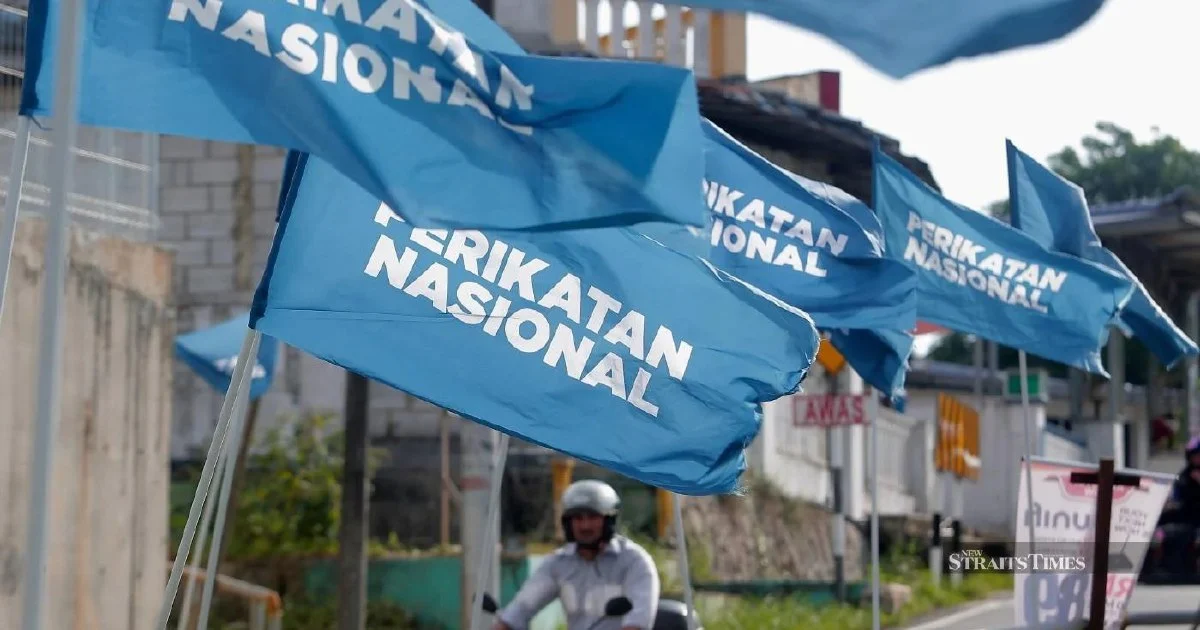
Perikatan Nasional's leadership appears determined to preserve its partnership with Bersatu as the coalition braces for crucial state-level contests in Johor and Negri Sembilan, according to observers monitoring Malaysia's fractious political landscape. The decision to maintain unity reflects pragmatic calculations about electoral viability rather than ideological harmony, with political analysts suggesting the coalition recognises that public discord could undermine its competitive position in these contests.
The stakes surrounding these two state elections carry substantial weight for PN's national ambitions. Johor remains one of Malaysia's most economically significant states, and maintaining or strengthening PN's presence there would represent a meaningful achievement in its broader political strategy. Similarly, Negri Sembilan's parliamentary districts feed directly into national politics, making these contests far more than local contests. Any visible rupture between PN and Bersatu during this critical window could fracture voter confidence and embolden rival coalitions seeking to exploit internal divisions.
Analysts point to the historical fragility of PN's internal structures as context for understanding its protective approach toward Bersatu. The coalition has weathered multiple crises since its formation, from defections to policy disagreements, and its leadership understands viscerally how quickly minor disputes can spiral into major schisms. By deliberately de-emphasising any disagreements with Bersatu and maintaining a facade of cohesion, PN hopes to project the stability and discipline that voters reward during election campaigns. The electoral calendar thus creates a natural incentive for coalition members to suppress internal disputes temporarily.
Bersatu's position within this arrangement warrants particular attention. As a smaller component of the broader PN structure, Bersatu benefits materially from continued alignment with its larger partners, particularly PAS. Yet Bersatu also maintains its own electoral interests and voter base that cannot be indefinitely subordinated to coalition-wide considerations. This tension between coalition loyalty and party self-preservation shapes Bersatu's calculations, making its continued participation neither inevitable nor entirely secure. PN's efforts to retain Bersatu therefore represent acknowledgement that the coalition's mathematical strength depends on keeping all components engaged.
The timing of these elections compounds the urgency of PN's unifying impulse. With voting expected within months rather than years, there is insufficient time to rebuild coalitional relationships if they rupture before the polls. Unlike longer-term political disputes that can be negotiated and resolved gradually, election-proximate conflicts leave little room for reconciliation. PN's leadership consequently faces powerful incentives to suppress internal disagreements and project unity until voting concludes. This creates a distinctive period where coalition members have heightened motivation to overlook grievances they might otherwise highlight.
Malaysia's broader political environment reinforces these coalition-preserving dynamics. The opposition coalition remains competitive in multiple constituencies, particularly in areas where demographic shifts and economic discontent create electoral uncertainty. Neither PN nor its component parties can assume comfortable victories in Johor and Negri Sembilan; both states contain competitive parliamentary seats that could shift based on incremental swings in voter sentiment. This uncertainty strengthens the case for coalition discipline, as fragmentation could directly translate into lost seats and reduced influence.
The question of how long PN can sustain this unity remains open and consequential. Elections act as temporal delimiters in political coalitions, creating natural moments when partners reassess their arrangements. Once voting concludes in Johor and Negri Sembilan, the pressure to maintain visible unity will diminish, potentially releasing accumulated tensions. How PN and Bersatu navigate this post-election transition will significantly influence whether their partnership survives intact or whether electoral success becomes a prelude to realignment. Some analysts suggest the current period represents an implicit agreement to defer deeper conversations until voting concludes.
The broader implications for Malaysian politics extend beyond these two states. PN's ability to maintain coalition stability affects its credibility as a national governing alternative. Voter perception of PN's competence and unity influences electoral calculations across multiple constituencies, not merely those in Johor and Negri Sembilan. By successfully navigating the pre-election period without visible ruptures, PN strengthens its brand image as a coherent political force capable of managing complex coalitional arrangements. Conversely, public infighting would reinforce narratives about PN's instability and internal dysfunction.
Bersatu's strategic positioning within this framework reflects its broader political trajectory. The party has experienced significant turbulence since its formation, oscillating between various coalitions and facing substantial membership fluctuations. Its continued presence in PN represents both achievement and constraint: achievement in remaining relevant in Malaysia's coalition-based politics, constraint in accepting subordinate status within a larger structure. Understanding how Bersatu negotiates this balance throughout the coming elections offers insights into whether the party can sustain itself as an independent political force or whether it faces inevitable absorption into larger entities.

