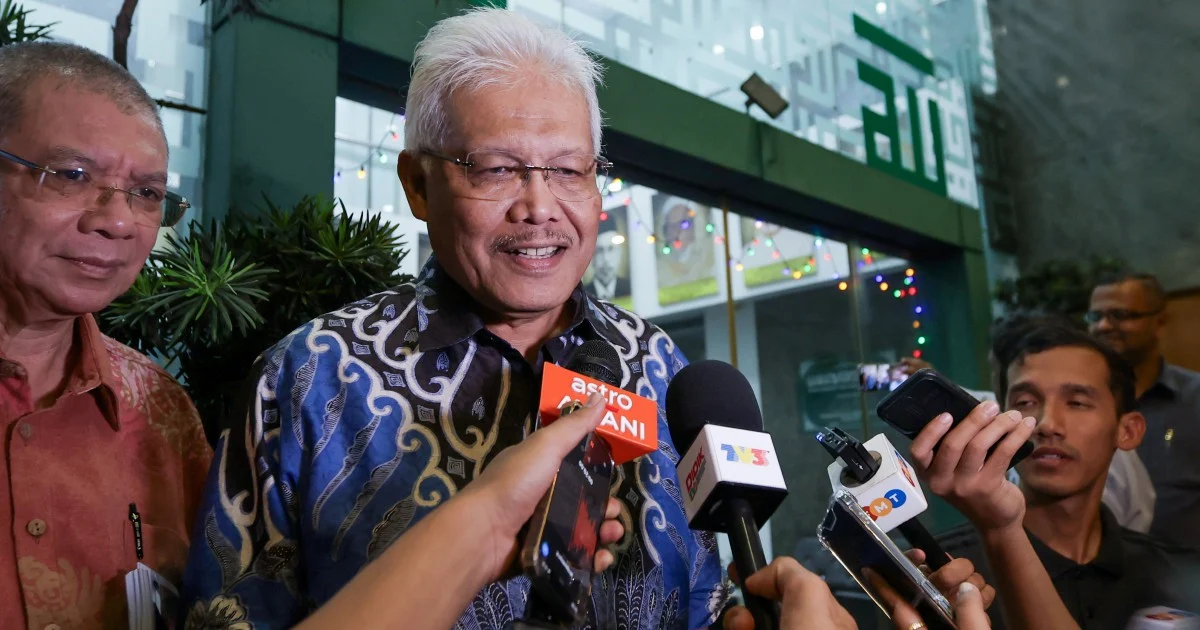
Perikatan Nasional's chief parliamentary whip, Datuk Seri Takiyuddin Hassan, has filed an official notification with the Dewan Rakyat Speaker's office confirming the reappointment of Datuk Seri Hamzah Zainudin as the opposition leader. The administrative step formalises a significant leadership transition within Malaysia's parliamentary opposition, signalling a reconfiguration of the broader political landscape as the ruling coalitions navigate evolving dynamics in the Dewan Rakyat.
The submission of the notification represents more than a routine procedural matter. It indicates that Perikatan Nasional, which has consolidated its parliamentary position over recent months, is now formally repositioning itself within the opposition framework. Hamzah's return to this ceremonial yet influential role carries implications for how the opposition will scrutinise government legislation and policy, as well as how PN intends to project its political brand ahead of potential electoral contests.
The designation of opposition leader carries symbolic weight and practical authority within parliamentary structures. The officeholder gains certain prerogatives in parliamentary debate and committee assignments, and serves as the primary voice articulating opposition positions to media and the public. By ensuring that Hamzah holds this title, PN is consolidating its claim to represent the primary check on the government's legislative agenda, reinforcing the coalition's relevance to voters who might consider voting for an alternative to the current administration.
Hamzah's trajectory in Malaysian politics has been notably eventful. His movement between different coalitional arrangements and political portfolios reflects the fluid nature of Malaysian parliamentary coalitions, where loyalty and strategic positioning often reshape political alignments. His reappointment underscores PN's confidence in his capacity to lead the opposition effectively, notwithstanding the considerable demands the role places on parliamentary performance and public communication.
For Perikatan Nasional, the formal installation of Hamzah as opposition leader represents validation of its strategic calculations. The coalition, which includes Barisan Nasional components and other parties, has gradually strengthened its parliamentary foothold through defections and coalition engineering. By securing this opposition leadership position, PN can claim legitimacy as an alternative governing force and demonstrate organisational coherence to its members and supporters who worry about the coalition's staying power.
The timing of the notification may carry significance as well. Parliamentary leadership positions are typically settled during periods of political transition or when coalitions seek to reinvigorate their public positioning. That Takiyuddin moved to formalise Hamzah's appointment through official parliamentary channels suggests that PN wishes to put the matter beyond contestation and signal institutional stability within its ranks, particularly if internal disagreements have previously clouded perceptions of the coalition's unity.
For opposition politics more broadly, the clarification of who leads the parliamentary opposition has practical consequences for legislative scrutiny. The opposition leader shoulders responsibility for coordinating questioning, proposing amendments, and mobilising votes against government measures during parliamentary sessions. The quality and coherence of these interventions influence public perception of government performance and can shape political narratives during budget sessions and major policy debates.
Malaysian parliamentary conventions require that opposition leadership be formally recognised and acknowledged within institutional structures. The notification filed by Takiyuddin ensures that the Speaker's office has authoritative record of who represents the opposition, enabling proper protocol during parliamentary proceedings and ensuring that opposition members receive the procedural rights and speaking time due to them under standing orders. Without such formal notification, questions could arise about legitimacy and entitlements.
The move also reflects the maturation of Perikatan Nasional as a coalition. When PN first emerged as a governing force in 2020, its internal structures and parliamentary coordination mechanisms required significant development. Over subsequent years, the coalition has professionalised its operations, including how it manages parliamentary whipping arrangements and leadership designations. The filing of proper notification demonstrates that PN now operates according to established parliamentary norms and procedural frameworks.
Observers of Malaysian politics will scrutinise how effectively Hamzah exercises the opposition leadership role. His effectiveness in questioning government policy, articulating alternative visions, and maintaining coalition cohesion will influence whether Perikatan Nasional can translate its parliamentary gains into broader political momentum. Voters frequently assess opposition parties based on whether they present credible, competent alternatives to sitting governments, and Hamzah's parliamentary performance will contribute substantially to that assessment.
The broader context involves the ongoing evolution of Malaysia's political system following the 2023 elections. No coalition achieved the overwhelming majorities that previously characterised Malaysian politics, creating a more fluid parliamentary environment where smaller groups and independent members wield greater influence. Within this context, securing the opposition leadership position becomes more significant, as it provides a platform to influence parliamentary discourse and potentially attract additional support from legislators dissatisfied with government performance.
Moving forward, the formalisation of Hamzah's leadership provides PN with clearer delineation of roles and responsibilities within its parliamentary operations. This clarity facilitates internal coordination, particularly in managing diverse coalition partners with sometimes competing agendas. Stakeholders within PN, including Umno, PAS, and smaller partners, can now focus on supporting a unified opposition strategy led by Hamzah, reducing internal friction and enabling more coherent public positioning as an alternative government-in-waiting.

