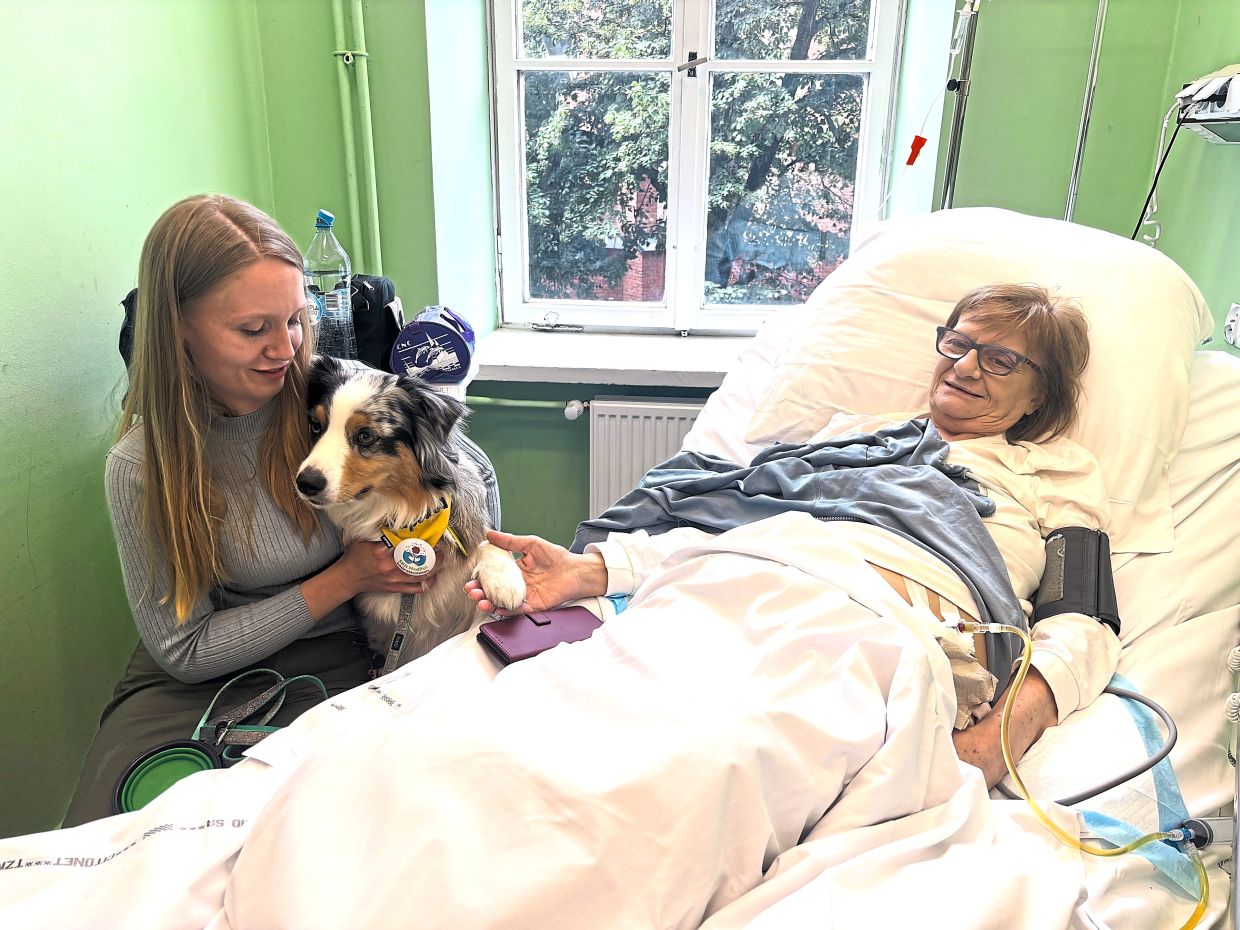
Poland is moving closer to enshrining in law a patient right that many Western nations have yet to formally recognize: the ability for terminally ill individuals to receive visits from their beloved pets during their final days in hospices and palliative care wards. The proposed legislation, introduced to parliament by a member of Prime Minister Donald Tusk's centrist party, represents an attempt to formalize what is already informally permitted in many Polish healthcare settings but lacks legal clarity and consistent protections.
The push comes from Dr Tomasz Dzierzanowski, director of the Palliative Medicine Clinic at the Medical University of Warsaw, who has witnessed firsthand the transformative impact of animal companionship on patients facing their mortality. Dzierzanowski frames the initiative within a broader societal crisis he identifies as an "epidemic of loneliness"—a phenomenon increasingly recognized across aging societies in Europe where extended families no longer live in close proximity and social isolation has become a hallmark of modern life, particularly for older adults who have outlived their peers. The medical community's growing focus on pets in end-of-life settings reflects an evolution in how healthcare systems understand human dignity and emotional wellbeing at the threshold of death.
Ewa Lutka-Krawczyk, a 70-year-old cancer patient currently receiving treatment at the Medical University of Warsaw's palliative ward, embodies the human dimension driving this legislative effort. Diagnosed with gallbladder cancer, Lutka-Krawczyk's foremost concern has not been her own survival prospects but rather Gaja, a shelter dog she rescued three years ago and with whom she shares a profound bond. Since being admitted to the hospital with drainage tubes managing her deteriorating condition, Lutka-Krawczyk has worried about Gaja remaining at home with her husband, watching the animal's appetite diminish as it senses its owner's absence—a phenomenon animal behaviorists increasingly recognize as genuine distress responding to a broken routine and absent caretaker.
The emotional catalyst for Dzierzanowski's mission originated from a different patient named Waldemar, a seriously ill cancer patient tormented not by fear of his own fate but by anxiety about his two cats. When Dzierzanowski arranged for the cats to be brought into the ward, the resulting reunion triggered overwhelming emotional responses in the patient, the animals, and the surrounding hospital staff and patients who witnessed the moment. Dzierzanowski describes this incident as a watershed moment that crystallized the necessity of addressing pet visitation through formal policy rather than ad-hoc medical discretion.
Currently, Dzierzanowski permits pet visits in his clinic when clinical conditions allow, which means Lutka-Krawczyk can anticipate a reunion with Gaja. Additionally, the ward regularly accommodates visits from therapy dogs, specially trained animals like Kluska, an Australian shepherd, whose presence generates demonstrable benefits across the patient population. During a recent visit, Kluska's interaction with Lutka-Krawczyk provided visible comfort—the patient gently holding the dog's paw and smiling, a moment of connection in an environment typically defined by pain management and acceptance of mortality.
The therapeutic impact extends beyond patients themselves. Wojciech Zelik, a 58-year-old patient hospitalized with a tumor, found himself revitalized enough to lift himself upright and engage with Kluska as her owner demonstrated tricks, his face brightening at the sensation of the dog's soft fur beneath his fingers. These interactions represent more than momentary distraction; they constitute genuine engagement with life and pleasure at a moment when such experiences grow increasingly rare. The dog's fluffy coat and responsive behavior provided sensory stimulation and emotional connection that conventional medical interventions cannot replicate.
Malgorzata Brzozowska, the therapy dog handler and medical student who accompanies Kluska on ward rounds, emphasizes that the therapeutic dividend extends significantly when patients are visited by their own animals rather than therapy dogs alone. She observes that personal pets carry deeper emotional significance rooted in years of shared history, and their presence has demonstrable calming effects not only on the patients and their families but also on the animals themselves. Brzozowska interprets the animals' reduced stress and visible recognition of hospital settings as evidence that pets understand, at some fundamental level, that their owner has disappeared from the home environment and is now located in this unfamiliar place—a cognitive and emotional awareness that deepens the bonds between human and animal.
The hospice staff themselves benefit from these visits. Nurses, cooks, and other care workers who manage the emotionally and physically demanding work of tending to terminally ill patients find stress relief and momentary joy through interaction with animals. During Kluska's rounds, hospital staff members visibly relaxed, crouching in hallways to pet the dog while taking breaks from their duties—the cook even sharing ham with the therapy animal. These moments of lightness and connection counterbalance the heaviness inherent in palliative care environments and contribute to staff wellbeing, which research increasingly demonstrates correlates with quality of patient care.
Katarzyna Piekarska, the lawmaker who introduced the legislation now under review in parliament's health committee, frames formal regulation as a matter of practical necessity rather than revolutionary change. She notes that animals already visit Polish hospitals informally, rendering legal codification both inevitable and essential for establishing consistent standards, animal welfare protections, hygiene protocols, and patient rights. Currently lacking universal legal protection, pet visitation remains discretionary, potentially leaving patients in less enlightened wards unable to see their animals during their final period of life. Piekarska's argument suggests that transparency and legal clarity serve patients, families, animals, and healthcare providers alike.
Dzierzanowski's philosophical approach to end-of-life care emphasizes that while ideally another human being should provide companionship to the suffering, contemporary society often fails to meet this standard. He notes that isolation afflicts not only older patients who have outlived their social networks but also younger ones disconnected by contemporary digital culture from the deep friendships that sustained previous generations. In such circumstances, where human companionship cannot be guaranteed, animals represent a morally significant alternative—a presence that validates existence and affirms that the dying person matters, that their wellbeing warrants attention, and that their emotional and spiritual needs deserve recognition alongside clinical symptom management.
The proposed Polish legislation represents a modest but significant policy shift recognizing that terminal care encompasses more than extending life or managing pain. It acknowledges that dignity at death includes maintaining meaningful relationships and emotional connections, and that formal legal protection of pet visitation affirms this humanistic vision of healthcare. As Poland considers the legislation, other nations watching this development may recognize an opportunity to similarly honor the connections that define human flourishing, particularly at life's conclusion when such bonds become more precious and more necessary than ever.

