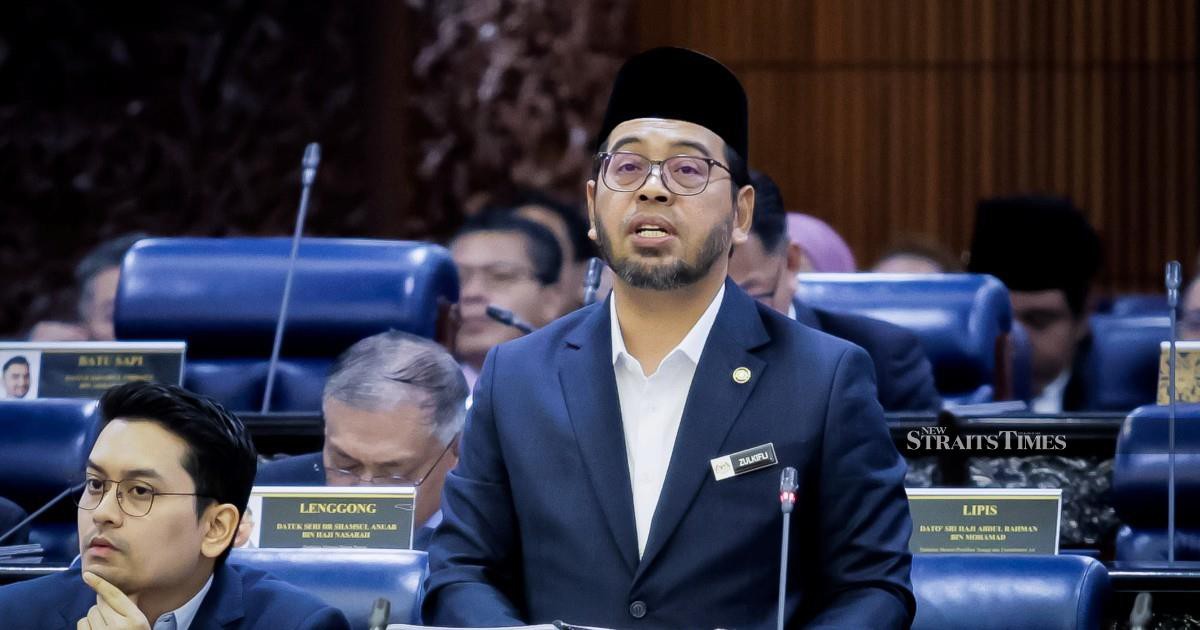
Law enforcement authorities in Malaysia have moved swiftly to operationalise the findings from the Royal Commission of Inquiry into Lembaga Tabung Haji, with both the Royal Malaysian Police and the Malaysian Anti-Corruption Commission (MACC) launching formal investigation operations. The coordinated effort signals serious intent to pursue accountability measures stemming from the detailed examination of governance failures and suspected irregularities at the pilgrim-focused financial institution, a statement attributed to an official said.
The timing of these investigations underscores the heightened scrutiny now facing Malaysia's hajj savings institution following months of public and political pressure regarding its operational management and financial stewardship. Lembaga Tabung Haji, which manages savings accumulated by Malaysian Muslims preparing for the Islamic pilgrimage, occupies a uniquely sensitive position in the nation's financial landscape given its custodianship of funds belonging to millions of contributors nationwide.
Several individuals have been apprehended in connection with the RCI's conclusions, though specific details regarding their identities, positions, and the precise nature of allegations against them remain under wraps as investigations progress. This initial phase of detentions typically signals that authorities have identified persons of interest whose conduct warrants closer scrutiny under criminal law. The dual investigative approach involving both police and MACC suggests that the misconduct allegations span multiple jurisdictional concerns, potentially involving both criminal violations and corruption-related offences.
The Royal Commission of Inquiry itself represents a significant step in Malaysia's institutional accountability mechanisms. Such commissions of inquiry are ordinarily convened to examine matters of substantial public importance when standard regulatory oversight appears insufficient or when systemic failures require independent, comprehensive examination. The decision to establish an RCI specifically for Tabung Haji indicated that concerns had escalated beyond routine audit matters into territory warranting special judicial investigation.
For Malaysian Muslims and potential hajj pilgrims, the prospect of misconduct at the institution managing their accumulated savings carries profound implications beyond mere financial loss. The pilgrimage to Mecca represents a once-in-a-lifetime spiritual obligation for those who can afford it, and Tabung Haji provides an accessible savings mechanism that has historically enabled ordinary Malaysians to fulfill this religious aspiration. Any erosion of trust in the institution's custodianship directly undermines public confidence in a financial mechanism intricately linked to religious obligation and cultural identity.
The involvement of the Malaysian Anti-Corruption Commission particularly signals that investigators suspect corrupt practices may underpin the alleged misconduct. MACC's participation indicates that the breaches extend beyond mere administrative error or negligent oversight into deliberate and potentially self-serving conduct by officials or others with fiduciary responsibilities. Corruption allegations carry particular gravity in Malaysia's current governance environment, where public discourse has increasingly emphasised the need for transparent financial management and accountability among institutional stewards.
Police investigations typically focus on whether conduct violates specific criminal statutes, potentially encompassing fraud, embezzlement, breach of trust, or other offences under Malaysian penal law. The parallel investigative tracks pursued by both organisations suggest that authorities have identified conduct warranting examination under both criminal and corruption-specific legal frameworks. This coordinated approach maximises investigative capability and institutional expertise applicable to complex institutional misconduct cases.
The RCI's mandate would have permitted detailed examination of operational records, financial transactions, governance structures, and decision-making processes within Tabung Haji over a specified period. Such investigations typically uncover not merely isolated incidents but rather systemic weaknesses, institutional culture failures, or patterns of conduct suggesting widespread rather than sporadic misconduct. The breadth of the RCI's investigative remit would have generated substantial evidentiary material now available to support criminal and corruption investigations.
Regionally, Malaysia's visible commitment to investigating institutional misconduct carries broader implications for investor confidence and governance perception across Southeast Asia. Effective prosecution of suspected corruption and misconduct within significant financial institutions sends signals about institutional willingness to enforce accountability at senior and institutional levels. This matters considerably for Malaysia's standing within international governance assessments and for the confidence of both domestic and foreign investors evaluating Malaysian institutional reliability.
The investigations' progression will likely unfold across months or potentially longer, as complex institutional investigations involving numerous transactions and multiple actors typically require extensive documentary analysis, witness interviews, and forensic financial examination. Public disclosures regarding investigation progress may be limited during active inquiry phases to avoid compromising investigative integrity or prejudicing potential prosecutions.
For broader public accountability, the ultimate significance of these investigations will depend upon whether conclusions translate into formal charges, transparent judicial proceedings, and consequential sentencing or other remedial actions. Malaysian citizens monitoring these developments will be particularly attentive to whether accountability mechanisms function with sufficient vigor to address institutional-level misconduct, or whether investigations prove ineffective or selectively applied.
The government and relevant authorities face considerable public pressure to demonstrate that no individual or position within Tabung Haji remains beyond accountability's reach. The institution's central role in enabling religious pilgrimage participation means that institutional reform and restored public trust become not merely administrative matters but issues touching upon religious obligation and social justice for ordinary Malaysians.

