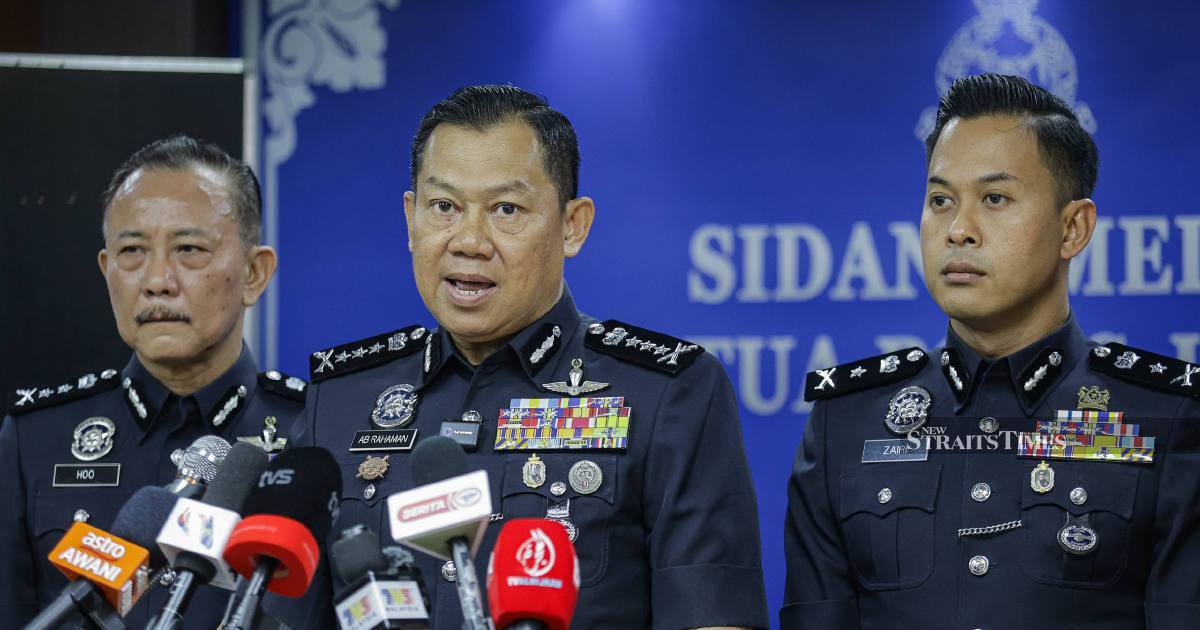
Authorities in Johor Baru have detained 13 individuals for questioning in relation to a fatal collision that claimed the life of a 17-year-old girl, with investigators examining whether criminal gang activity played a role in the incident. The traffic accident occurred on Tuesday at Lingkaran Bulatan Persiaran Indahpura 4 in Kulai, a location in the Klang Valley's expanding suburban corridor. Among those in custody is a 15-year-old girl, marking a significant development in what police are treating as a complex investigation that extends beyond a simple road accident.
The scale of the police response—detaining more than a dozen individuals—underscores the seriousness with which officers are pursuing this case. Rather than accepting the crash as an isolated incident, investigators appear to be treating it as part of a broader pattern of behaviour linked to organized youth groups. The presence of a minor among the detainees suggests the investigation has uncovered potential involvement by young people, raising concerns about youth gang recruitment and activity in the state.
The Kulai area, located within Johor's increasingly urbanized Iskandar region, has seen significant population growth over the past decade. This demographic shift has brought infrastructure challenges and, according to community reports, occasional tensions related to territorial disputes among youth groups. The fatal crash represents a troubling intersection of these social dynamics with tragic consequences for the victim's family and community.
Under Malaysian law, police may detain individuals for up to 14 days for investigation purposes, renewable once, without formal charges. The decision to arrest such a large group suggests investigators have identified specific leads or witness testimony pointing toward particular individuals. The inclusion of a 15-year-old in the detainment raises questions about youth protection protocols and how authorities balance investigative needs with the rights of juveniles in the Malaysian justice system.
Gang-related activities among young people have emerged as a growing concern across several Malaysian states in recent years, with Johor historically experiencing periodic surge in such incidents. The connection between gang affiliation and fatal traffic incidents is not unprecedented, with previous cases suggesting territorial rivalries sometimes spill over into road confrontations. Police investigations in such cases typically involve interviewing community members, reviewing surveillance footage, and consulting traffic records to establish the sequence of events leading to the collision.
The victim's family faces an unimaginable tragedy, and authorities will need to determine whether the crash resulted from deliberate action, reckless endangerment, or other circumstances. Malaysian courts have previously convicted individuals on culpable homicide charges arising from traffic incidents where negligence or intentional misconduct was established. The investigation's emphasis on gang connections may indicate that investigators suspect the collision was not accidental but rather the consequence of rival group conflict.
For the broader Johor community, particularly parents and educators in Kulai and surrounding districts, this incident raises urgent questions about youth safety and intervention programmes. The involvement of teenagers in situations leading to fatal consequences reflects challenges that extend beyond law enforcement to encompass education, family support systems, and economic opportunities for young people in growing urban areas.
The police investigation will likely involve forensic examination of the vehicles involved, toxicology reports, and comprehensive witness statements. Traffic cameras in the vicinity may provide crucial evidence regarding the circumstances immediately preceding the collision. Telecommunications records and social media activity could also feature in the investigation, particularly if the crash resulted from pre-arranged confrontation between rival groups.
This incident occurs within a broader Malaysian context where road safety remains a persistent public health challenge. Annual traffic fatalities consistently rank among the highest causes of death for young Malaysians, and any case suggesting preventable circumstances—whether through negligence, recklessness, or deliberate action—attracts intensive police focus. The emphasis on gang connections in this case, however, suggests investigators are pursuing angles beyond standard traffic accident investigation.
As the investigation progresses through the coming weeks, the police will need to establish a clear evidentiary chain regarding the roles played by each detainee. The distinction between direct involvement in causing the crash and ancillary connections to gang activity will become critical as decisions emerge regarding potential charging and prosecution. Legal observers will watch closely to see whether this case results in prosecutions under gang-related statutes or primarily through traffic laws.
The outcomes of this investigation carry implications for how Malaysian law enforcement addresses the intersection of youth gang activity and public safety. Successful prosecution could demonstrate the authorities' commitment to treating gang-related traffic incidents seriously, potentially serving as a deterrent. Conversely, the case underscores the need for preventive strategies addressing root causes of youth gang involvement, including poverty, limited education opportunities, and inadequate mentorship structures in developing urban areas.

