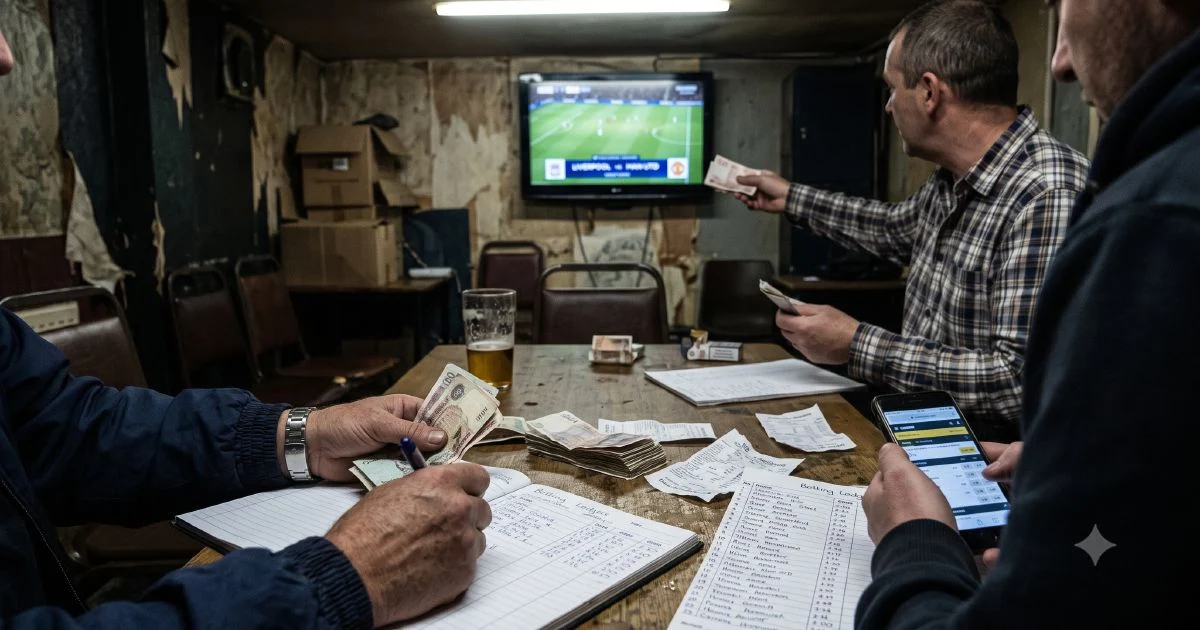
Law enforcement authorities across Malaysia have launched a sweeping crackdown on unlicensed gambling operations connected to the FIFA World Cup 2026, resulting in the arrest of 331 individuals and the discovery of betting transactions exceeding RM2.63 million. The coordinated nationwide operation, designated Op Soga XI, represents a significant effort by police to dismantle underground sports betting networks that have proliferated ahead of the international tournament scheduled for 2026.
The scale of the operation underscores the persistent challenge facing Malaysian authorities in combating illegal gambling activities, particularly during major sporting events when betting activity surges substantially. Unlicensed betting operations exploit the global attention and widespread interest surrounding international football tournaments, channelling substantial sums through informal networks that operate outside regulatory oversight. The RM2.63 million figure captured during Op Soga XI likely represents only a fraction of total illicit wagers placed through these underground channels, as many transactions occur through encrypted communication platforms and informal money-transfer systems that remain difficult to track comprehensively.
Illegal sports betting constitutes a significant concern within Malaysia's regulatory framework, where only licensed operators approved by the government are permitted to conduct gambling activities. The proliferation of online betting platforms and the accessibility of international gambling websites have complicated enforcement efforts, enabling individuals to place wagers across borders with relative ease. Police operations must therefore address both domestic bookmakers and the technological infrastructure supporting cross-border transactions, requiring coordination with telecommunications and financial regulators to effectively disrupt these networks.
The targeting of World Cup-related betting reflects a strategic enforcement approach adopted by Malaysian authorities, who recognise that major sporting events create windows of heightened vulnerability. During major tournaments, illegal betting operators expand their operations aggressively, recruiting new participants and processing larger volumes of transactions. Op Soga XI appears designed to capitalise on operational intelligence gathered beforehand, striking multiple locations simultaneously to maximise disruption and prevent networks from reorganising quickly after initial raids.
From a social perspective, the prevalence of illegal betting networks raises concerns about addiction and financial harm affecting Malaysian communities. Underground betting operations typically lack responsible gambling safeguards, consumer protections, and age-verification systems that regulated operators must implement. Participants in illegal betting rings often lack recourse when disputes arise, since these operations exist entirely outside formal dispute-resolution mechanisms. The financial losses incurred by individuals caught in these networks can create cascading effects on family finances and economic stability, particularly among lower-income populations vulnerable to gambling-related harm.
The enforcement action also addresses broader organised crime considerations, as large-scale betting operations frequently intersect with money laundering, loan-sharking, and other criminal enterprises. Proceeds generated through illegal gambling often become integrated into wider criminal financial ecosystems, funding other illicit activities. By disrupting betting networks, authorities simultaneously target financial flows supporting broader criminal organisations, making these operations strategically important from an organised crime prevention standpoint.
For Malaysian operators holding legitimate gambling licences, illegal betting networks represent unfair competition that undermines their market position. Licensed operators must comply with extensive regulatory requirements, taxation obligations, and responsible gambling protocols that illegal operators circumvent entirely. This regulatory disparity places licensed businesses at a disadvantage, potentially encouraging licensed operators themselves to engage in under-the-table activities to remain competitive. Effective enforcement against illegal operations protects the integrity of Malaysia's licensed gambling sector and ensures that legitimate businesses operate on a level playing field.
The FIFA World Cup 2026, jointly hosted by the United States, Canada, and Mexico, is anticipated to generate unprecedented global betting volumes given its expanded format accommodating 48 teams across multiple venues. Malaysian enforcement agencies will likely face sustained pressure from illegal operators seeking to capture market share during this tournament, requiring continued vigilance and resource allocation throughout the competition period. Intelligence gathered during Op Soga XI will inform ongoing enforcement strategies and may identify individuals and networks requiring monitoring during the tournament itself.
Regional considerations are equally important, as Southeast Asian countries increasingly coordinate responses to transnational gambling operations. Betting networks operating across borders require regional cooperation to disrupt effectively, particularly when funds flow between Malaysia and neighbouring jurisdictions with different regulatory frameworks. Information-sharing agreements and joint enforcement initiatives between Malaysian authorities and counterparts in Thailand, Singapore, and Indonesia strengthen the region's collective capacity to address cross-border gambling networks that individual countries cannot combat in isolation.
The arrests and financial seizures documented through Op Soga XI demonstrate police capacity to mobilise comprehensive enforcement operations, yet they also highlight the ongoing challenge of addressing demand-side factors driving participation in illegal betting. Educational campaigns highlighting legal betting options, risks associated with unlicensed operators, and treatment resources for gambling addiction complement law enforcement efforts. Sustainable reduction in illegal betting activity requires parallel investments in public awareness and harm reduction alongside aggressive prosecutorial action against operators and networks.

