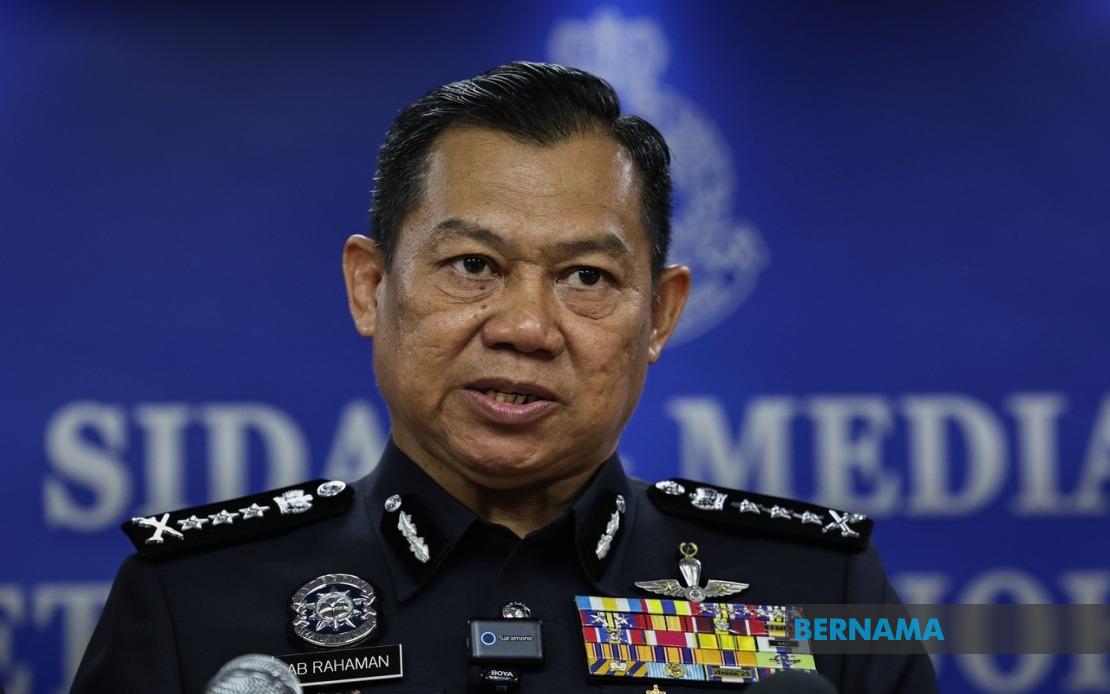
The Royal Malaysia Police (PDRM) is mobilising a substantial security contingent of 11,926 officers and personnel to oversee the forthcoming Johor State Election, reflecting the scale of coordination required to manage electoral operations across the state. The deployment represents one of the larger security exercises undertaken for a state-level poll and underscores the commitment to maintaining law and order throughout the voting process.
Johor Police Chief Datuk Ab Rahaman Arsad outlined the operational strategy during a media briefing at the Johor Police Contingent Headquarters, explaining that the force would execute its deployment across five distinct phases rather than a single concentrated effort. This phased approach allows the police to calibrate their presence according to specific stages of the election cycle, from pre-polling preparations through to counting and result verification.
The flexibility inherent in this five-phase model reflects lessons learned from previous electoral exercises and the recognition that security needs fluctuate significantly depending on which phase of the election process is underway. Early stages may emphasise candidate safety and campaign logistics, while later phases focus on polling day security and post-election crowd management. By structuring deployment in this manner, the PDRM can optimise resource allocation and respond to emerging situations without maintaining a uniform level of presence throughout the entire election period.
Beyond the core PDRM strength, Johor has secured reinforcement through the Internal Security and Public Order Department (KDNKA), which has contributed an additional 54 officers and 701 personnel. These backup forces draw from specialised units including the General Operations Force, Federal Reserve Unit, PDRM Air Unit, and Marine Police Force, bringing tactical capabilities that extend beyond conventional patrol work. The inclusion of air and maritime units suggests contingency planning for scenarios requiring rapid response or coverage across dispersed locations within the state.
The General Operations Force component is particularly significant given its training in counter-insurgency and public order management. Their presence indicates preparedness for scenarios involving civil unrest or security breaches that routine police operations might struggle to contain. The Federal Reserve Unit similarly brings tactical expertise, while the Air and Marine units provide surveillance and mobility advantages across Johor's geographically diverse terrain, which includes both urban centres and rural areas that conventional ground forces might take considerable time to reach.
For Malaysian readers, such deployments represent a standard electoral practice, though the scale varies depending on local conditions and historical context. Johor, as the nation's most populous state by area and with a significant population distributed across multiple urban centres, naturally requires more extensive coordination than smaller states. The principle of maintaining electoral integrity through visible security presence has become embedded in Malaysia's democratic practice, though it also raises perennial questions about balancing reassurance with potential intimidation.
From a regional perspective, the sophistication of Malaysia's electoral security apparatus reflects the maturity of its democratic institutions. Other Southeast Asian nations observe Malaysian elections closely, and the deployment of such large contingents demonstrates institutional capacity and the state's ability to manage complex operations. However, it also serves as a reminder that electoral security remains resource-intensive and that maintaining competitive, free elections requires significant investment in personnel and coordination.
The Datuk's emphasis on adjusting deployment according to operational needs acknowledges that security planners cannot anticipate every contingency. This adaptive approach differs from rigidly predetermined force dispositions and suggests ongoing intelligence assessment and communication between police units and election officials. Real-time adjustments might respond to specific threats, unexpected crowd movements, or logistical bottlenecks that emerge during actual voting.
For opposition and ruling coalition campaigns, the visible police presence carries symbolic weight beyond its practical security function. Candidates and their supporters take note of how police resources are distributed across constituencies, and any perception of uneven deployment can become a political issue. The police maintain that their role is neutral, but the geographical distribution of the 11,926 personnel and the specific locations where reinforced units are positioned inevitably invite scrutiny regarding impartiality.
The coordination between PDRM and KDNKA units also reflects bureaucratic integration between different security agencies. In Malaysia's federal system, such inter-agency cooperation requires clear command structures and communication protocols to avoid jurisdictional confusion during a high-pressure period. Previous electoral cycles have seen occasional friction between different uniformed services, making the explicit coordination visible in this deployment noteworthy.
Looking ahead, the success of this security operation will likely influence planning for future state and federal elections. If the five-phase deployment model proves effective in Johor, it may become a template for other states. Conversely, any significant incidents or public complaints about police conduct could lead to revised strategies and additional oversight measures.
The substantial personnel commitment also reflects broader questions about opportunity costs. Officers deployed to electoral security cannot attend to other policing duties, potentially affecting response times to crime elsewhere. While states accept this temporary reallocation during elections, the accumulating impact of multiple elections within short timeframes strains force capacity and raises efficiency questions within police headquarters.