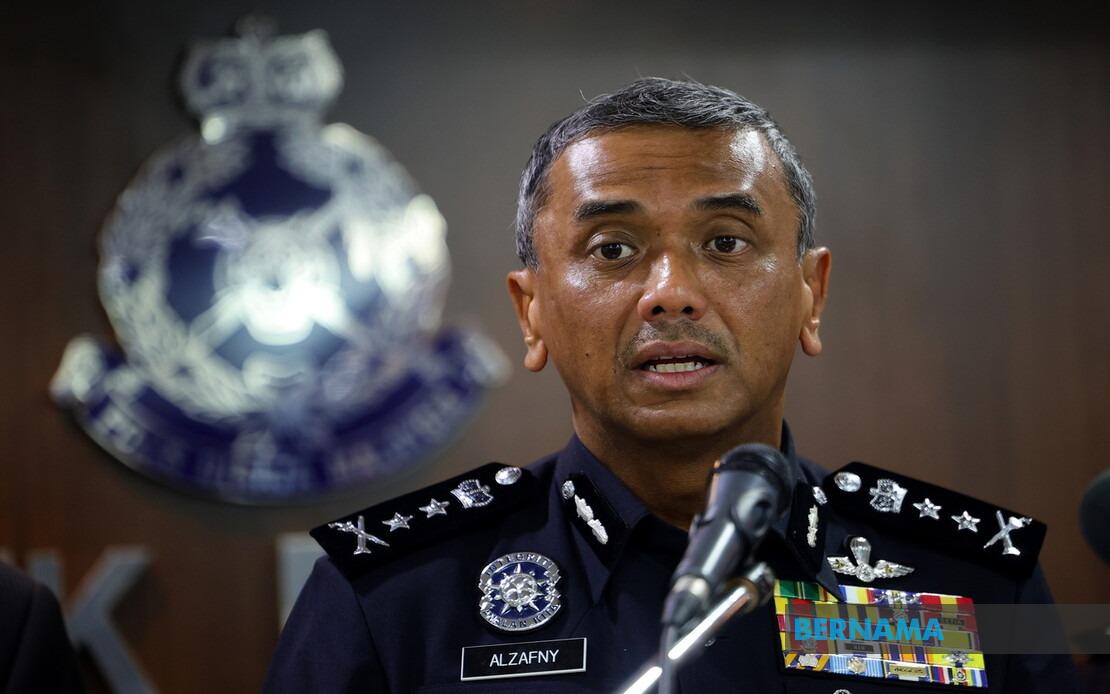
Police in Negeri Sembilan have launched a formal investigation into a viral TikTok video that allegedly features a political party making statements about the state's royal institution. The Negeri Sembilan police chief Datuk Alzafny Ahmad confirmed on Friday that authorities received 11 reports concerning the video's content and have begun examining the material under multiple pieces of legislation designed to protect constitutional institutions and maintain electoral integrity.
The probe has been initiated under three key legal provisions that carry significant penalties. Investigators are reviewing the video through the lens of Section 4(1) of the Election Offences Act 1954, which addresses improper conduct during election periods, alongside Section 505(b) of the Penal Code, which covers statements that may incite public alarm or anxiety. Additionally, authorities are examining whether the content breaches Section 233 of the Communications and Multimedia Act 1998, which regulates online material that could be considered offensive or threatening to public order.
The timing of the investigation is particularly sensitive, occurring just before the Negeri Sembilan state election cycle enters its final stages. Early voting is scheduled for the following day, with the main polling day set for Saturday, August 1st. Such incidents during election periods draw heightened scrutiny from authorities concerned about maintaining peaceful and orderly electoral processes across the state. The proximity of these legal violations to the actual voting date has raised concerns among election officials about potential disruptions to public confidence in the electoral process.
Datuk Alzafny Ahmad issued a public appeal urging citizens to refrain from spreading the video further or engaging in speculation about its contents. This directive reflects police concerns that unchecked circulation of contested material could undermine the investigation by contaminating evidence and potentially influencing public perception before voters cast their ballots. The police chief's statement emphasized that premature commentary or viral sharing of the video could also inflame tensions among different segments of the community during a period when calm and restraint are essential.
The incident highlights the delicate balance authorities must maintain when protecting fundamental institutions enshrined in Malaysia's constitution. The royal institutions occupy a constitutionally protected status in Malaysia's system of government, and any public statement perceived as disrespectful or critical must be examined carefully within the broader context of free expression and electoral discourse. Political parties routinely address public concerns and policy positions during campaigns, but those communications must remain within legal boundaries that respect the dignity and sanctity of the monarchy.
Beyond the royal institution aspect, the case underscores broader concerns about how social media platforms, particularly TikTok with its massive young audience in Malaysia, can amplify political messaging during election campaigns. The platform's viral nature and algorithm-driven content distribution create unique challenges for law enforcement agencies tasked with monitoring election compliance. A single video can reach hundreds of thousands of viewers within hours, making it difficult for authorities to contain potentially problematic content before it spreads widely.
Police have reminded all political parties and candidates to exercise responsibility when using social media for campaign purposes. Datuk Alzafny Ahmad's statement stressed the importance of avoiding references to sensitive topics collectively known as "3R" — race, religion, and the royal institution — which have long been recognized as potential flashpoints for community tensions in Malaysia's multi-ethnic and multi-religious society. These guidelines, while sometimes contentious in debates about free speech, represent an attempt to ensure that electoral campaigns do not veer into territory that could fracture social cohesion.
The investigation also reflects growing law enforcement focus on electoral compliance in the social media age. Traditional campaign messaging through conventional media channels can be more easily monitored and regulated, but the democratized nature of content creation on platforms like TikTok means that political actors of all sizes can reach mass audiences without editorial oversight. This has created new challenges for maintaining order during elections while respecting the political freedoms that democratic processes are meant to protect.
For Malaysian voters and political observers, the incident raises important questions about the boundaries of political speech during elections. While the investigation proceeds under the relevant legal framework, the case illustrates how quickly social media content can trigger official scrutiny and how sensitive topics remain during electoral periods. The involvement of multiple legal statutes demonstrates that Malaysian authorities view such matters as potentially touching on several distinct legal concerns simultaneously.
The coming days will be crucial for the investigation, as authorities work to complete their examination before and after the election. Police will need to balance the urgent need to determine whether legal violations occurred with the broader imperative to maintain electoral integrity and prevent the investigation itself from becoming a distraction or controversy during voting. The manner in which this case is resolved may set precedents for how future social media incidents are handled during subsequent state and federal elections across Malaysia.

