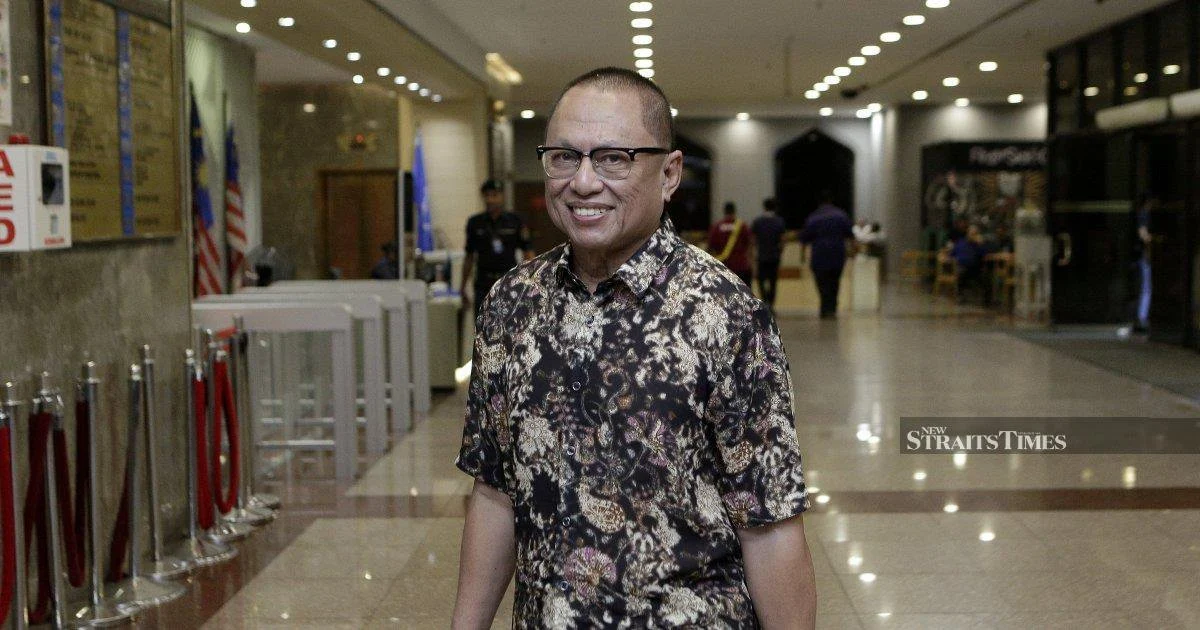
Law enforcement authorities in Malaysia have opened a formal investigation into controversial statements attributed to former Umno stalwart Datuk Dr Mohd Puad Zarkashi following a significant volume of public complaints. The decision to probe the allegations came after 153 police reports were submitted nationwide, reflecting broad public concern over the comments made on social media platforms. The move represents a coordinated response from multiple police jurisdictions across the country, underscoring the seriousness with which authorities are treating the matter.
The comments in question, which centred on a concept referred to as the '3R', ignited considerable debate within political circles and among the general public. While the precise nature and context of these statements remain subjects of interpretation, their circulation across social media channels prompted widespread reaction from various segments of Malaysian society. The scale of police reports filed indicates that the remarks touched upon issues sensitive enough to warrant formal complaints from diverse quarters across the nation.
Datuk Dr Mohd Puad Zarkashi brings considerable political pedigree to any situation in which he is involved. As a veteran of Umno, the United Malays National Organisation that has long dominated Malaysian politics, his pronouncements carry weight within Malay-Muslim communities and beyond. His status as a former senior member of the party means his public statements are closely scrutinised by party loyalists, political analysts, and opposition observers alike. The decision to make public comments on social media represents a shift in how senior political figures communicate directly with constituents, bypassing traditional media filters.
The nationwide scale of the police reports suggests that Datuk Dr Puad Zarkashi's comments resonated across multiple states and regions, triggering concerns among citizens in different parts of Malaysia. This geographic spread indicates that the statements touched upon matters perceived as nationally significant rather than purely local or personalised grievances. The involvement of police forces from various jurisdictions means the investigation will require coordination and consistency in how the allegations are examined and assessed.
Social media has become an increasingly consequential platform for political discourse in Malaysia, where major political figures use platforms such as Facebook, Twitter, and Instagram to communicate directly with supporters and the broader public. This development has created new dynamics in how political messaging spreads and how public reaction coalesces. The immediate and widespread circulation of Datuk Dr Puad Zarkashi's comments through these channels amplified their reach and impact far beyond what traditional political communication might have achieved.
The investigation process will likely require police to examine the precise wording of the contested statements, their context, and any potential implications they may carry under Malaysian law. Authorities will need to determine whether the comments violate any existing legislation or regulations governing public speech and conduct. This process necessarily involves careful scrutiny of the statements themselves and consideration of how different segments of the population interpreted and responded to them.
For Malaysian readers and regional observers, this episode reflects broader questions about the boundaries of political speech in the country and how competing interests in expressing viewpoints freely interact with concerns about public order and harmony. The investigation raises important considerations about accountability for public figures, the role of social media in political communication, and the mechanisms through which public grievances are formally registered and addressed by authorities.
The filing of 153 reports across the nation points to an organised or spontaneous mobilisation of concerns, suggesting that various groups believed the statements warranted formal complaints to law enforcement. Whether these complaints arose from coordinated efforts or represented genuine independent concerns from citizens will likely form part of the investigative process. The sheer number of reports filed creates a clear administrative basis for police to initiate formal procedures.
Umno's response and positioning regarding these developments will bear watching, given that Datuk Dr Puad Zarkashi's political affiliations remain relevant to the party's broader political standing. The party faces decisions about whether to stand by one of its veterans or to distance itself from the controversial statements. Such internal political dynamics often play out subtly rather than through dramatic public declarations, influencing how the matter unfolds in political and public discourse.
As investigations proceed, the case will test how Malaysian law enforcement navigates between protecting freedom of expression and addressing genuine public concerns about political speech. The outcome will provide insights into the current regulatory environment for online political communication and the thresholds that trigger formal police involvement. The broader implications extend beyond the individual case to shape expectations about acceptable conduct for political figures operating in Malaysia's digital-era public sphere.

