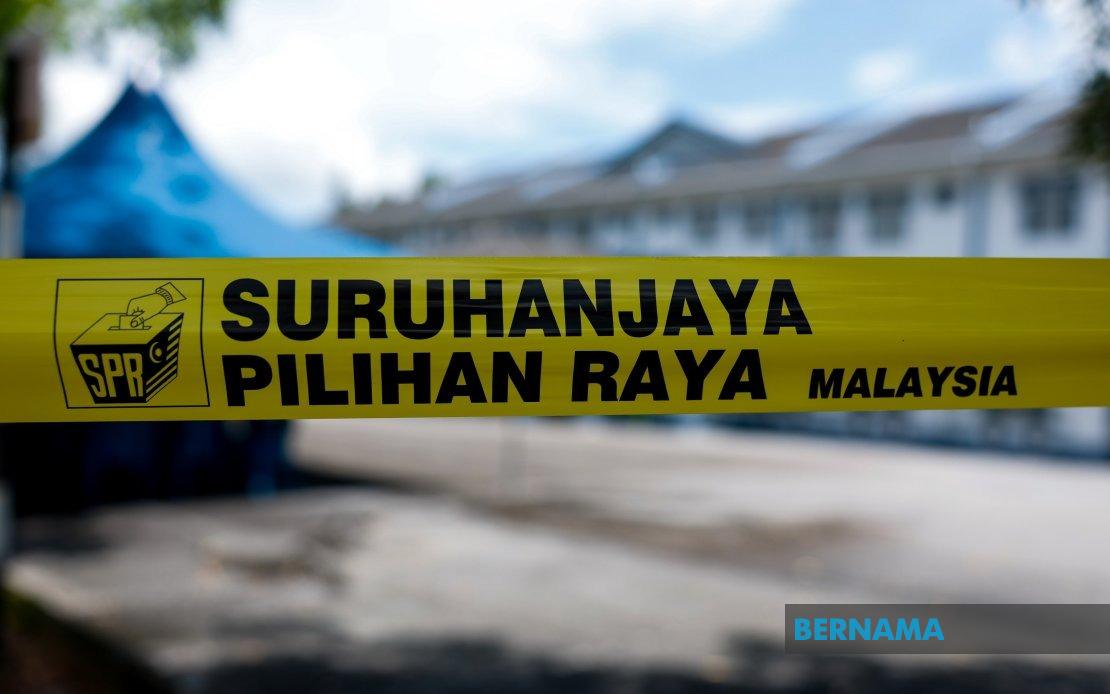
Negeri Sembilan's police chief has disclosed that officers have initiated seven separate investigations into election-related offences as the campaign trail progresses toward the 16th state election, signalling heightened scrutiny of political activities across the state. Datuk Alzafny Ahmad, who heads the state police contingent, made the announcement in Seremban, highlighting the law enforcement response to misconduct during the critical pre-polling period that has seen intensified political mobilisation.
Among the seven cases under investigation, two were formally registered on the day prior to the statement, both centring on allegations of mischief that resulted in property loss or damage—offences prosecutable under Section 427 of the Penal Code. This particular charge category has emerged as a focal point for enforcement, reflecting the pattern of physical disruption that sometimes accompanies contested electoral periods in Malaysian politics. The specification of these charges underscores police determination to address vandalism and deliberate destruction of campaign materials or public property.
The broader context reveals a significant volume of election-related complaints flowing into police stations across Negeri Sembilan. Between July 18 and July 22, the Royal Malaysia Police's state contingent processed a total of 12 reports alleging various election offences. This intake suggests that while most campaign activity proceeds within legal bounds, a measurable number of incidents have prompted formal police involvement—whether reports from competing political parties, candidates, or concerned citizens witnessing alleged breaches of electoral conduct standards.
Parallel to enforcement efforts, the administrative machinery governing campaign logistics has maintained steady pace. Within a single day, police approved 53 separate permit applications submitted by political parties and campaign organisations seeking to conduct ceramahs and other campaign events. Cumulatively, authorities have greenlit 226 such applications since the campaign began, demonstrating the volume of authorised political gatherings occurring across the state. This approval mechanism serves dual purposes: facilitating legitimate political expression while establishing a supervisory framework through which police monitor assemblies and gatherings.
Alzafny emphasised that the police force maintains continuous oversight of all political programmes and activities registered under the permit system, with particular attention to ensuring compliance with applicable law and the preservation of public safety and order. This monitoring function operates throughout the campaign timeline, extending from campaign launches through to polling day. The preventive aspect of such surveillance aims to identify potential flashpoints before they escalate into incidents requiring intervention, though the opening of investigation papers indicates that some breaches have already occurred.
The police chief signalled that his force would intensify preparedness measures and enforcement vigilance as the election process advances. He articulated a commitment to taking firm action against any violations of electoral law or related legislation, suggesting that tolerating transgressions would not form part of the police operational approach. This hardline stance reflects broader political sensitivity surrounding electoral integrity and the institutional desire to demonstrate even-handed enforcement across the political spectrum.
The statement additionally constituted a call to citizens and political actors to uphold legal standards and respect the democratic framework within which electoral competition occurs. Alzafny urged continued public compliance with law and cooperation with police to enable the Negeri Sembilan election to proceed peacefully, harmoniously and in orderly fashion. Such appeals, standard in police communications during election periods, seek to leverage civic responsibility and remind all stakeholders that electoral contests function optimally when conducted within lawful parameters.
The election calendar has now taken concrete form, with the Election Commission designating July 28 as the date for early voting—permitting those unable to cast ballots on election day itself to participate in advance. Polling day proper falls on August 1, establishing the endpoint of the campaign period and the moment at which electoral competition transitions into counting and result declaration. These dates provide temporal clarity for candidates, parties, and voters alike, demarcating the window during which campaign activities legally continue.
For Malaysian observers, the Negeri Sembilan election carries significance as a test of political sentiment in a state that has experienced considerable factional realignment in recent years. The enforcement environment described by Alzafny reflects heightened institutional focus on maintaining electoral standards at a moment when electoral competition remains intensely contested. The relatively modest number of offence investigations registered so far—seven cases among hundreds of campaign events—might suggest that most political actors are observing bounds of lawful conduct, though police readiness to prosecute breaches remains evident. The approvals granted for campaign gatherings indicate that police are facilitating political expression while maintaining the supervisory architecture necessary to identify and respond to unlawful conduct, a balance that becomes increasingly important in contested electoral environments where passions run high and competitive pressures mount.

