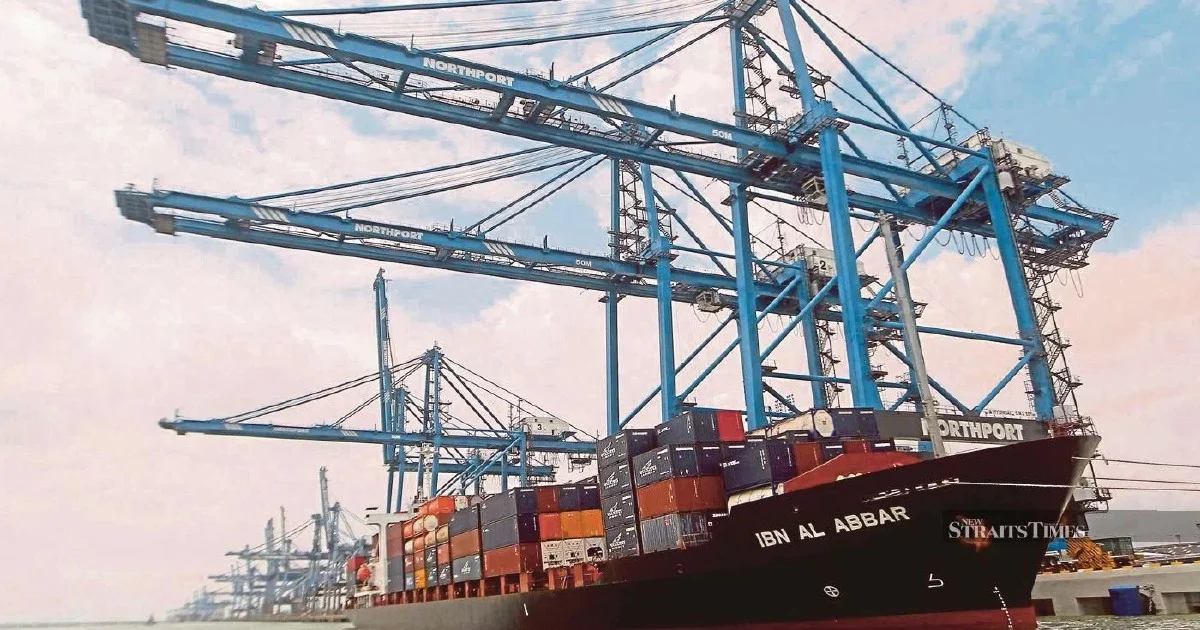
Transport Minister Anthony Loke has indicated that the long-anticipated Port Klang 3 expansion could commence construction within the current calendar year, contingent upon resolving outstanding land acquisition matters between the federal government and Selangor state authorities. Speaking at Port Klang, Loke underscored that the initiative remains aligned with Malaysia's strategic development roadmap and has not lost momentum despite prior delays that have characterised the project's progression.
The Port Klang 3 venture represents a cornerstone of Malaysia's port infrastructure modernisation strategy, particularly as regional maritime competition intensifies. The project envisions expanding the nation's premier port facility to accommodate larger container vessels and bolster the country's transshipment capacity at a time when global supply chains are being reconfigured following pandemic-era disruptions. Enhanced port capabilities would position Malaysia more competitively against neighbouring Singapore and the emerging Port of Tanjung Pelepas in Johor, both of which have invested substantially in deepwater container terminals.
Land acquisition has emerged as the primary impediment blocking project commencement. The proposed development site requires coordination across multiple administrative jurisdictions, with Selangor state holding significant land parcels essential for the terminal's footprint. Rather than attempting to sidestep state involvement, federal authorities have opted for formal negotiation channels to secure the necessary acreage. This collaborative approach, while potentially slower, aims to mitigate the legal complications and public opposition that typically materialise when development projects override local government interests.
The urgency surrounding Port Klang 3's realisation reflects Malaysia's aspiration to strengthen its position within the Indo-Pacific maritime ecosystem. As Chinese manufacturing increasingly disperses across Southeast Asia and India's role in global trade expands, major shipping routes are evolving. Malaysian ports must augment their throughput capacity and technological sophistication to retain transshipment volumes and attract premium container services. The existing Port Klang infrastructure, though historically robust, faces capacity ceiling pressures during peak seasons.
Loke's announcement follows previous declarations about the project's advancement, though concrete breakthroughs have proven elusive. The minister's latest remarks suggest that substantive progress in state-federal negotiations may finally be materialising. Observers note that the involvement of Selangor's administration in deliberations, rather than unilateral federal proceeding, indicates a shift toward more inclusive governance frameworks that accommodate regional development concerns alongside national strategic objectives.
From an economic standpoint, Port Klang 3 deployment would generate significant employment across construction, logistics, maritime services, and manufacturing sectors. The multiplier effects would likely extend throughout Selangor and the broader Klang Valley corridor, reinforcing the region's status as Malaysia's primary economic engine. Port operations typically create highly skilled job categories in vessel pilotage, cargo handling, technical maintenance, and supply chain management, thereby contributing to human capital development.
The project's financial architecture requires substantial capital investment, likely drawing upon combinations of public funding, private sector participation, and potentially infrastructure bonds. International development financing mechanisms may also feature, given the project's transnational commerce implications. Demonstration of tangible progress this calendar year would reassure investors and lending institutions of Malaysia's commitment to the initiative, potentially unlocking capital tranches currently in abeyance pending evidence of forward momentum.
Regional competitors have already amplified their port development programmes. Singapore's continued terminal expansions and Port Tanjung Pelepas's aggressive capacity augmentation underscore the competitive stakes. Port Klang's historical advantages—centrality to major shipping arteries, existing infrastructure assets, and established hinterland connectivity—remain substantial, yet these require reinforcement through modern facilities capable of processing next-generation mega-vessels. Delay translates directly into lost market share and foregone revenue streams.
The resolution of Selangor land matters will likely establish precedents for subsequent infrastructure undertakings requiring intergovernmental coordination. Successfully navigating this negotiation process could yield governance templates applicable to other national development initiatives dependent upon state-federal cooperation. Conversely, protracted disagreements would transmit negative signals about federal and state capacity to collaborate effectively on matters transcending administrative boundaries, potentially complicating future major projects.
Looking ahead, stakeholders across maritime, logistics, and trading communities await concrete evidence that land impediments have been surmounted. Should negotiations conclude favourably within coming months, procurement processes and detailed engineering would accelerate toward the construction commencement timeline Loke has articulated. The minister's measured optimism reflects confidence in ongoing discussions, though he has implicitly acknowledged that federal authorities cannot unilaterally impose timelines when state coordination remains essential. For Malaysia's port sector and broader economic competitiveness, Port Klang 3's advancement represents far more than a discrete infrastructure initiative—it symbolises the nation's determination to maintain regional relevance within increasingly dynamic Asian maritime landscapes.

