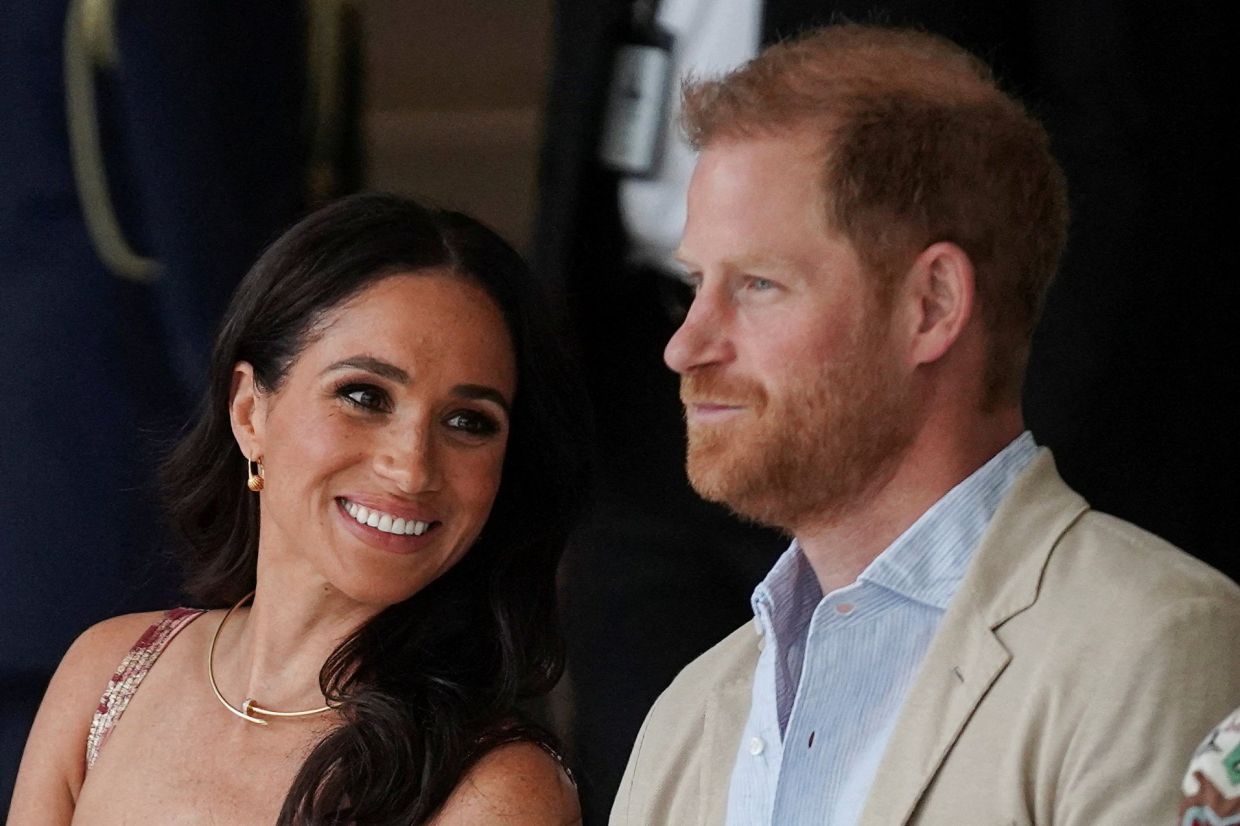
Prince Harry and his wife Meghan Markle are set to return to the United Kingdom following an extended six-year absence in North America, though their homecoming will not entail a resumption of their duties as working members of the royal family, according to reports from British media outlets released Wednesday evening. The announcement signals a significant shift in the couple's circumstances after they initially departed for California to pursue independent commercial ventures through major content deals with Netflix and Spotify.
The couple's two children, seven-year-old Prince Archie and five-year-old Princess Lilibet, have already secured places at schools within the United Kingdom and are scheduled to commence their education in September. This enrollment represents concrete preparation for the family's relocation and suggests the decision has progressed beyond preliminary discussions into practical implementation. The placement of the children in British educational institutions underscores the seriousness of their intent to establish a more permanent presence in the country.
King Charles III was made aware of the couple's relocation plans on Sunday, learning about the decision through official channels rather than during Harry and Meghan's recent visit to the country. This method of communication, occurring after the fact rather than during their time together, reflects the continued complexity in the family's relationships and suggests the couple maintained their plans in confidence until making them public. Buckingham Palace has maintained its standard position of declining to comment on matters involving non-working members of the royal family, while representatives for Harry and Meghan have similarly refrained from providing official statements.
The family's return comes against a backdrop of persistent tensions that have characterised their relationship with other royal family members since their departure for Montecito in Southern California. Public disputes have played out through various media appearances and Harry's published memoir, creating a fraught atmosphere that has complicated any potential reconciliation efforts. The accumulated grievances and public recriminations have cast a long shadow over family relationships, creating substantial obstacles to rebuilding connections.
Harry's ongoing legal disputes with British tabloid publications have further complicated his relationship with the establishment he was born into. The prince has pursued multiple lawsuits against newspapers over allegations of illegal phone hacking and privacy invasion, though these cases have largely resulted in unfavourable judgments for him. In a recent court ruling, Harry and other plaintiffs were deemed liable for Associated Newspapers' legal costs, with the publisher submitting documentation showing expenses totalling £34.5 million. This substantial financial liability adds another layer of complexity to the family's situation.
Another significant legal battle has centred on Harry's demands for armed police protection during stays in the United Kingdom. The prince contends that his status as a member of the royal family warrants security provision regardless of his working status, citing potential security risks. However, a government committee refused to authorise such protection, leading to unsuccessful court challenges by Harry. Despite these setbacks, the prince has articulated a desire to move beyond the contentiousness that has defined recent years.
Harry's expressions of reconciliation have gained prominence following his father's diagnosis with an undisclosed form of cancer currently receiving treatment. In remarks to the BBC, the prince acknowledged the limited time potentially remaining and expressed genuine desire to rebuild family relationships. His statement, "I would love reconciliation with my family. There's no point in continuing to fight anymore," reflected a philosophical shift toward prioritising family connections over sustained disputes.
A tentative thaw in relations became evident when Harry returned to the United Kingdom last month for a series of charity-related engagements. During this visit, Meghan and the children accompanied him for portions of the stay, creating an opportunity for face-to-face interaction with King Charles at his Highgrove estate in Gloucestershire. The occasion marked the first time Prince Archie and Princess Lilibet had spent significant time with their grandfather since Queen Elizabeth II's platinum jubilee celebrations in 2022, representing a meaningful renewal of family connections.
While Harry's recent engagement with his father suggests a potential avenue for reconciliation, indicators of warming relations with his brother Prince William, the heir to the throne, remain notably absent. The relationship between the brothers has suffered considerable strain over recent years, and Harry's return is likely to create fresh friction within that dynamic. Peter Hunt, a veteran BBC royal correspondent, characterised the announcement as a development that would provoke strong reactions from William, suggesting the news would be received with considerable displeasure by the future king.
Hunt's analysis suggests that Harry's physical presence in the United Kingdom will create practical difficulties for William in avoiding engagement on reconciliation matters, potentially forcing a reckoning that the heir apparent might otherwise prefer to defer. The relocation decision thus carries implications extending beyond the immediate family dynamics to encompass the broader structure and functioning of the royal institution. The return of Harry and Meghan, while maintaining their non-working status, introduces fresh complexities into an institution already grappling with questions of modernisation, inclusion, and the changing nature of royal relevance in contemporary society.

