The Public Accounts Committee has pinpointed the real culprit behind soaring health insurance premiums in Malaysia: unregulated overhead charges imposed by private hospitals, rather than the professional fees doctors charge for their services. Since 2013, physician fees have been subject to strict regulatory controls, yet the vast array of costs patients face—from medical supplies and diagnostic tests to advanced treatments and operating expenses—remain almost entirely outside government oversight. This regulatory imbalance has created an environment where hospitals have significant latitude to increase charges without public scrutiny or transparent justification.
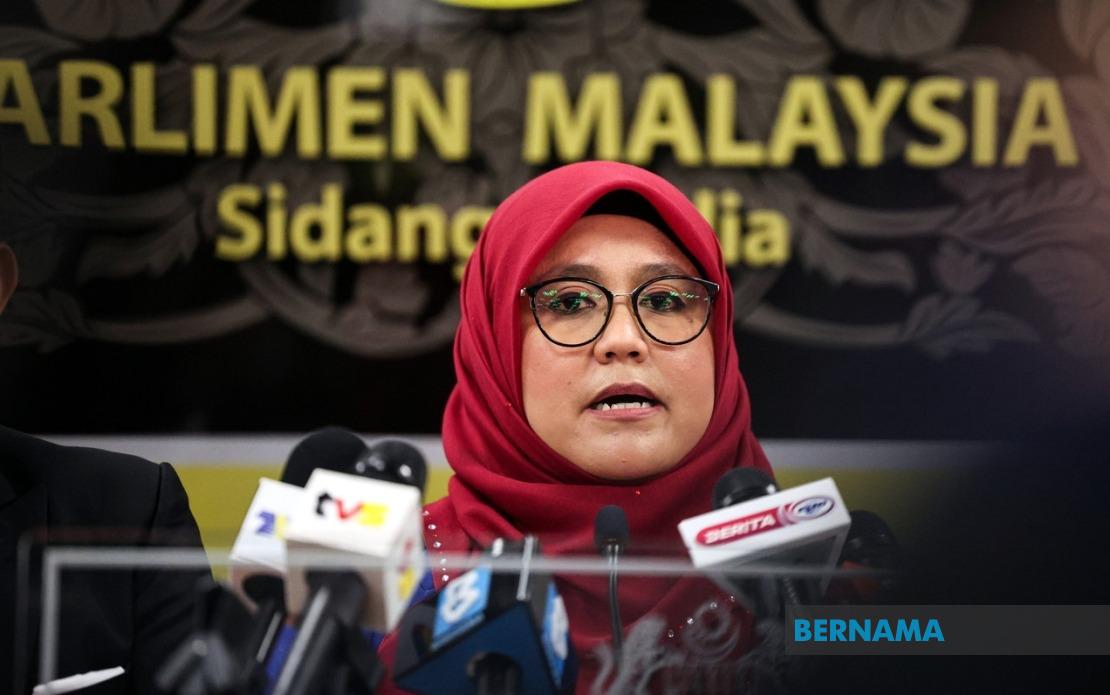
PAC chairman Datuk Mas Ermieyati Samsudin outlined the scope of these unchecked expenses in her statement to Parliament, delivered through Kapar MP Dr Halimah Ali. The categories of unregulated charges are broad and encompassing: medical consumables and equipment; pharmaceutical products; laboratory and imaging services; expenditures associated with newer medical technologies and treatment modalities; and the escalating operational costs of running a modern hospital facility, including staff expenses, energy consumption, and system infrastructure. Beyond these routine operational items, hospitals also factor in costs related to legal disputes and the practice of defensive medicine—additional tests and procedures conducted primarily to guard against malpractice claims rather than for immediate clinical necessity.
A critical finding from the committee's investigation concerns the absence of standardised billing across Malaysia's private hospital network. Without consistent pricing frameworks or transparent cost breakdowns, patients and insurers alike struggle to comprehend what they are actually paying for. This opacity fundamentally undermines market accountability. Hospitals have discretion in how they bundle or separate charges, making genuine price comparison impossible and concealing the true cost structure of medical care. The committee discovered that medicines are frequently marked up substantially to absorb hospital operating costs that should theoretically be billed as distinct line items. Nursing care and utility expenses, for instance, become embedded within pharmaceutical pricing rather than appearing as separate charges.
The practice of unbundling—where hospitals charge separately for items that logically should be included in standard service packages—emerged as a significant concern. Basic consumables like clinical waste management, bed linens, and alcohol swabs are being invoiced individually despite having no marginal cost justification for separate billing. These items should reasonably be absorbed within room charges or fundamental care services. By fragmenting the billing process, hospitals create the impression of itemised transparency while actually obscuring the true cost of care and multiplying the number of chargeable elements patients encounter.
The committee also documented systematic price discrimination within the private healthcare sector. Patients presenting guarantee letters from insurers—a standard practice—face substantially higher rates than those paying from personal funds or utilising pay-and-claim arrangements with insurers. This practice suggests hospitals recognise insurance companies as less price-sensitive customers and exploit this asymmetry, knowing that insurers ultimately pass these excess costs back to consumers through premium adjustments. Such differential pricing creates perverse incentives and undermines the principle of equitable healthcare access based on clinical need rather than payment mechanism.
Pharmaceutical pricing represents another layer of complexity amplifying healthcare costs. The committee's analysis uncovered significant markups throughout the medicine supply chain, with some generic medications paradoxically priced higher than their branded equivalents despite containing identical active ingredients. Malaysia's pharmaceutical landscape is further constrained by the registration of over 1,500 medications with only a single authorised manufacturer—effectively creating domestic monopolies. Without competitive alternatives, these sole suppliers face minimal pressure to moderate prices, enabling them to impose charges that bear little relationship to production costs or international benchmarks.
To address these interconnected problems, the PAC has submitted 17 comprehensive recommendations to government. Central among these is expedited deployment of the Diagnosis-Related Group (DRG) payment system, which establishes fixed reimbursement rates based on medical diagnoses rather than itemised billing. This approach has proven effective in other healthcare systems at constraining cost inflation while maintaining service quality. Additionally, the committee recommends legislative amendments to extend regulatory authority beyond doctors' professional fees, enabling the Ministry of Health and Ministry of Domestic Trade and Cost of Living to establish price controls on hospital service charges, medicines, and medical equipment. Strategic procurement reforms should include direct purchasing from manufacturers—particularly Malaysian producers—to reduce dependence on intermediaries and cartels that inflate prices through unnecessary mark-ups.
The PAC specifically proposes amending the Private Healthcare Facilities and Services Act 1998 to grant the Ministry of Health expanded regulatory powers over private hospital charging structures. Currently, this legislation does not adequately address the non-professional component of healthcare costs. Twelve Members of Parliament from both government and opposition parties engaged with the report during parliamentary debate, collectively advocating for stricter regulatory frameworks and demanding accelerated implementation of the DRG system. They simultaneously called for deeper transparency requirements within the insurance industry, allowing consumers and regulators to understand actual costs and pricing practices.
Parliamentarians emphasised the need for coordinated action among the Ministry of Health, Bank Negara Malaysia, and other stakeholders to combat medical cost inflation—a challenge that has developed systemic dimensions requiring multi-agency responses. Several MPs advocated for reinforced public healthcare investment, arguing that a stronger government system reduces pressure on private facilities and creates competitive alternatives that naturally constrain pricing. They also proposed reviewing insurance legislation to provide consumers greater protection against premium escalation driven by provider-side cost inflation rather than legitimate claims experience. University hospital fee increases should be frozen pending the development of sufficient alternative capacity, preventing academic medical centres from pricing themselves beyond reach while alternatives remain unavailable.
The taxation angle also featured in parliamentary discussion, with members suggesting higher levies on private hospitals deriving substantial revenue from medical tourism. This approach would ensure facilities catering primarily to international patients contribute proportionally to healthcare system sustainability. For Malaysian consumers, these PAC findings carry significant implications. Rising insurance premiums directly reduce household purchasing power, particularly for middle-income families who depend on private insurance to access timely, higher-quality care. The report validates longstanding consumer frustrations regarding billing opacity and price variability, while providing concrete evidence-based recommendations that policymakers can pursue. Without regulatory intervention, private healthcare costs will likely continue escalating faster than wages or inflation, progressively pricing out ordinary Malaysians from private sector care and straining public hospitals already stretched by resource constraints. The committee's recommendations, if implemented comprehensively, could provide both immediate relief through better price transparency and structural safeguards preventing future cost spirals.

