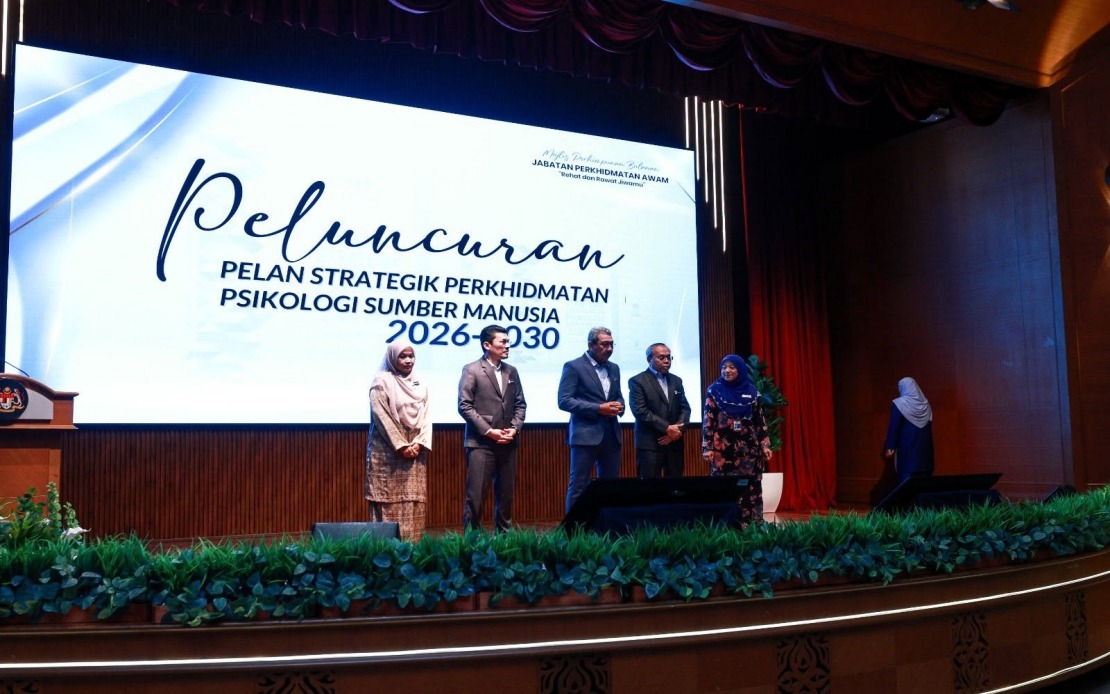
The Public Service Department unveiled its Human Resources Psychology Services Strategic Plan 2026-2030 on Wednesday, marking a significant institutional commitment to addressing mental health within Malaysia's bureaucracy. Launched during the PSD's June monthly assembly in Putrajaya, the comprehensive framework encompasses 12 distinct strategies, 22 operational programmes and 48 key performance indicators. The initiative, formally unveiled by Public Service Director-General Tan Sri Wan Ahmad Dahlan Abdul Aziz, reflects growing recognition that organisational effectiveness depends fundamentally on the psychological resilience of public servants.
The strategic plan embodies a deliberate cultural shift within the civil service, moving away from stigma-laden attitudes toward mental health support. Tan Sri Wan Ahmad Dahlan articulated this transformation through the concept of "Treat," which emphasises proactive intervention and personal accountability. Rather than viewing psychological services as remedial measures for dysfunction, the framework positions them as essential wellness infrastructure that all civil servants should access without shame or hesitation. This reframing is particularly significant in Malaysian workplace contexts, where cultural attitudes have historically discouraged open discussion of mental health challenges.
The "Rawat" concept, which translates to care or nurturing in Malay, forms the philosophical foundation of the initiative. This approach differs from reactive crisis management by encouraging civil servants to recognise warning signs early and seek professional support before psychological difficulties escalate. The department explicitly frames this as an act of courage, requiring individuals to overcome ingrained reluctance to acknowledge vulnerability. In this interpretation, accessing psychological services becomes an expression of strength and self-awareness rather than admission of weakness.
The strategic plan integrates with Malaysia's broader civil service reform agenda, particularly the H.E.M.A.T framework that the PSD has been promoting. That five-pillar initiative encompasses governance enhancement, public empathy, progressive mindset development, innovation appreciation and transparent administration. By aligning psychological services with these overarching reform priorities, the PSD signals that mental health support is not peripheral to administrative modernisation but central to achieving these objectives. A civil service workforce characterised by psychological well-being is better positioned to deliver empathetic public services and embrace innovation.
The assembly's thematic framing—"R&R (Rest and Treat) Your Soul"—represents a deliberate linguistic choice that normalises psychological self-care within professional discourse. Rest and recovery are positioned not as indulgences but as necessary components of sustainable performance. This messaging addresses a particular challenge in Malaysian public administration, where overwork and stress are sometimes culturally valorised as markers of commitment. The PSD's emphasis on rest challenges this ethos, suggesting that burnt-out civil servants cannot effectively serve the public interest.
With 48 key performance indicators embedded within the strategic plan, the PSD is establishing measurable accountability for psychological services implementation across the civil service. These metrics likely track utilisation rates for mental health programmes, employee satisfaction with available services, stigma reduction indicators and outcomes related to employee retention and productivity. By quantifying progress, the department moves beyond aspirational statements to concrete targets, enabling systematic monitoring and course correction.
The initiative assumes particular relevance for Malaysia's Southeast Asian context. As regional economies intensify competition and administrative demands accelerate, civil services across the region increasingly recognise that employee well-being directly correlates with service quality and organisational effectiveness. Malaysia's proactive approach may set precedent for other ASEAN nations grappling with similar challenges in their bureaucracies. The strategic plan also reflects international best practices in occupational health psychology, adapting global frameworks to Malaysian institutional and cultural contexts.
Implementation of this comprehensive framework will require substantial investment in training mental health professionals within the civil service system, establishing accessible counselling infrastructure across ministries and agencies, and conducting ongoing stigma-reduction campaigns. The 22 programmes encompassed within the strategic plan likely address diverse needs, ranging from individual counselling services to peer support networks, crisis intervention protocols and preventive wellness initiatives. Successful rollout depends on securing adequate budgetary allocation and ensuring consistent senior leadership commitment.
The challenge ahead involves transforming institutional culture at scale. While Tan Sri Wan Ahmad Dahlan's public endorsement is significant, embedding genuine psychological safety requires supervisors across the hierarchy to model vulnerability appropriately and create environments where seeking mental health support does not damage career prospects. Civil servants must observe that colleagues who access psychological services experience genuine organisational support rather than subtle discrimination. This cultural transformation extends beyond policy documents to daily workplace interactions and decision-making practices.
The timing of this initiative reflects Malaysia's evolving understanding of civil service modernisation. Earlier reforms emphasised technological adoption, process efficiency and governance structures. This psychological services strategy acknowledges that sustainable institutional improvement requires investing in human capital at the psychological level. By prioritising mental health alongside traditional administrative concerns, the PSD positions the civil service to attract and retain talent in an increasingly competitive employment market.
Success metrics will ultimately extend beyond statistical KPIs to qualitative improvements in how civil servants experience work. Reduced turnover, improved service delivery, lower absenteeism and stronger employee engagement would all indicate that the strategic plan achieves its intended impact. The PSD's willingness to invest in this comprehensive framework suggests institutional leadership recognises that healthy civil servants deliver better governance outcomes, ultimately benefiting all Malaysians who depend on public services.

