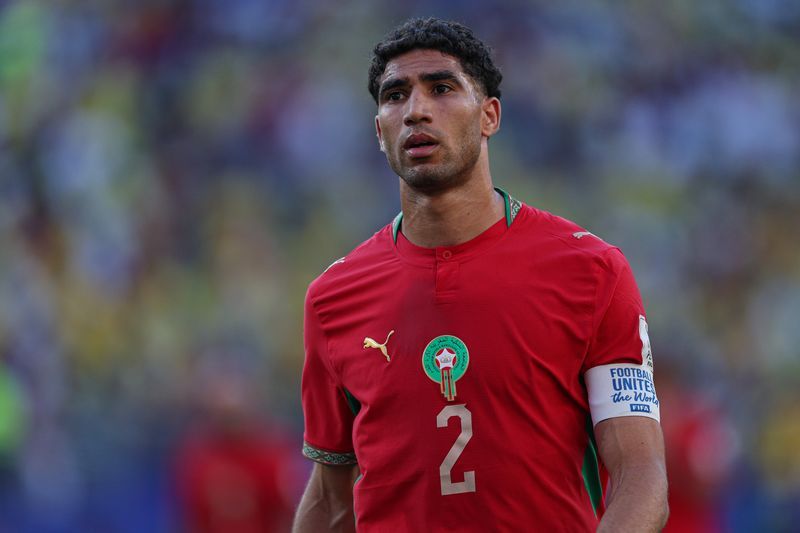
Paris Saint-Germain defender Achraf Hakimi faces trial on rape charges following the rejection of his appeal by France's Versailles appeals court. The decision, revealed on June 19, clears the way for the Moroccan international to be prosecuted in criminal court, though the specific trial date remains uncertain. The case represents a significant development in a matter that has shadowed Hakimi's career since an initial investigation opened in 2023.
Hakimi, who was preparing to join Morocco's national team squad for a fixture against Scotland, responded to the court's decision through social media. In a carefully worded statement posted on X, the defender expressed frustration at the narrative surrounding the allegations, suggesting he had become a convenient target for criticism. His response indicated a desire to move beyond speculation and rumour by finally presenting his account before the judicial system.
The player's position reflects a common sentiment among those facing serious allegations: that the pendulum of public opinion has already swung against them before any formal proceedings commence. Hakimi emphasised that the story being told about him does not align with his understanding of events, and that his family and personal life have suffered collateral damage from the allegations. Such public statements from defendants are typically strategic, aimed at signalling cooperation with the justice system while maintaining innocence.
The journey to this trial point began when the Nanterre prosecutor's office initiated an investigation following a rape allegation filed in 2023. Hakimi's legal team had subsequently filed an appeal challenging the referral to criminal court, a procedural move designed to test whether sufficient evidence existed to warrant prosecution. The Versailles appeals court's rejection of this appeal suggests that examining magistrates found adequate grounds to proceed, though the full details of the evidence remain confidential at this stage.
For Moroccan football fans and the broader Southeast Asian sporting community, the case underscores the complex intersection between professional athletics and serious criminal allegations. Hakimi remains one of Africa's most prominent defenders, with a career spanning elite European clubs and representing his nation at the highest levels of international competition. His involvement in this legal process raises questions about how sporting organisations balance due process with reputational considerations.
The timing of these developments, occurring during international fixtures when players are preparing for crucial matches, adds another layer of complexity. Hakimi's availability for Morocco's matches and potential impact on team preparations remains unclear, as does the question of whether PSG might implement any organisational measures in response to the forthcoming trial. Professional football clubs have increasingly faced scrutiny regarding how they handle players facing serious criminal charges.
From a Southeast Asian perspective, this situation illustrates how legal proceedings in Europe can affect global sports landscapes. The trial's outcome will have ramifications extending beyond French borders, potentially influencing how football organisations worldwide approach similar situations. The case also demonstrates that elite athlete status provides no shield against the judicial system, though it does provide a platform for publicly contesting allegations that ordinary citizens might lack.
The absence of a confirmed trial date creates an extended period of uncertainty. This limbo state, where allegations remain unresolved but the legal process has advanced significantly, can be psychologically taxing for all parties involved. For Hakimi, the waiting period prolongs media scrutiny and public speculation, while for the complainant, justice delayed remains a genuine concern about the pace of the French legal system.
Hakimi's expressed eagerness for the trial to commence suggests confidence in his legal team's strategy and his own account of events. By welcoming the opportunity to present his perspective, he is attempting to reframe the narrative from one of accusation to one of vindication through proper legal channels. Whether this calculated optimism reflects genuine conviction or strategic positioning remains impossible to determine from external observation.
The case will proceed through France's criminal justice system, which differs significantly from Anglo-American legal frameworks familiar to many Southeast Asian readers. French courts operate under an inquisitorial rather than purely adversarial system, meaning judges play a more active role in examining evidence. This distinction may influence how the evidence is presented and evaluated compared to trials in other jurisdictions.
As the situation develops, the football world watches with interest and concern. The resolution of Hakimi's legal troubles will establish precedents for how the sport's governing bodies and clubs manage similar crises in future. Until the trial concludes and a verdict is rendered, the defender remains presumed innocent under French law, though public opinion has already formed in many quarters based on limited information.

